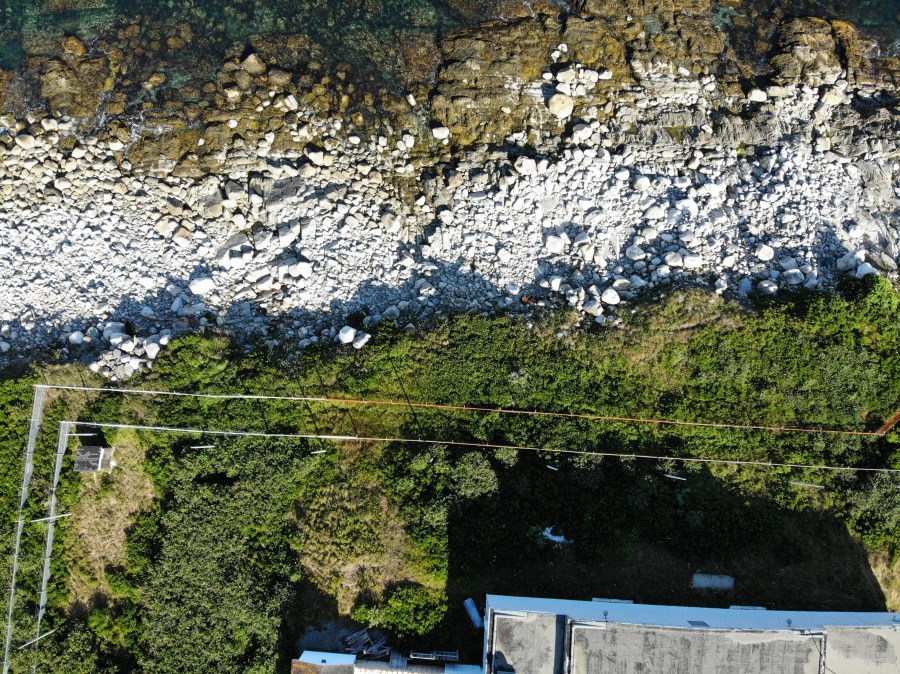
During the Cold War, a network of underwater microphones (“hydrophones”) and listening stations in US, Canada, the Bahamas, Iceland and Wales monitored sound in the Atlantic in order to detect and track Soviet submarines. Today, some of the abandoned listening stations are still standing, though they are rapidly deteriorating. Using photography, field recording, animation and photogrammetry, I am creating virtual models of the listening stations to function as interactive platforms for public engagement with this once-secret undersea surveillance system and what it tells us about the transformation of ocean space and underwater sound during the Cold War.
I am particularly interested in the experiences of those who once worked in these facilities as well as the accounts of those who lived nearby. How did this environment shape the way people experienced the Cold War, ocean sound and ocean space more broadly? What new forms of identity and community were developed within and between the listening “nodes” of the network? How did the construction of these listening stations alter the physical environment and impact local economies, identities and culture? In collaboration with groups with expertise in acoustic ocean sensing and groups with lived experience of the network, the project aims to virtually reconstruct the infrastructure and material meanings of the network, and imagine what new forms of community could be developed around an “audible ocean.” Below are preliminary works which explore the historiographic, narrative and aesthetic possibilities afforded by abandoned sonar infrastructure as well as various media, formats and approaches for the design of physical and virtual models of these Cold War “ruins.”
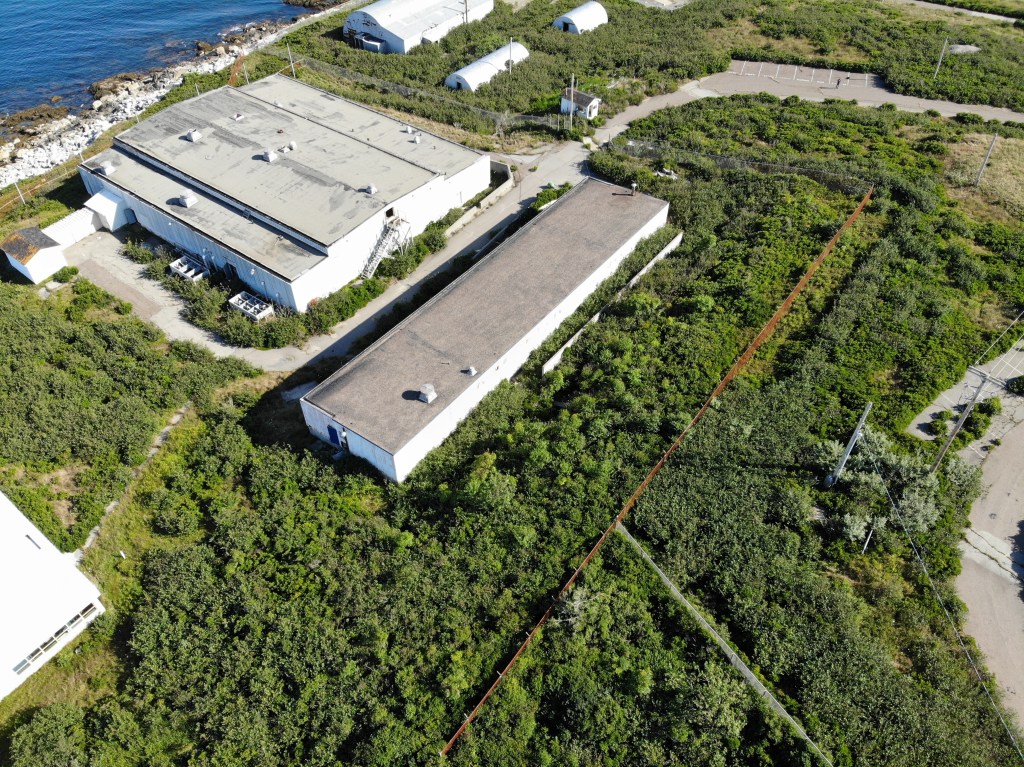
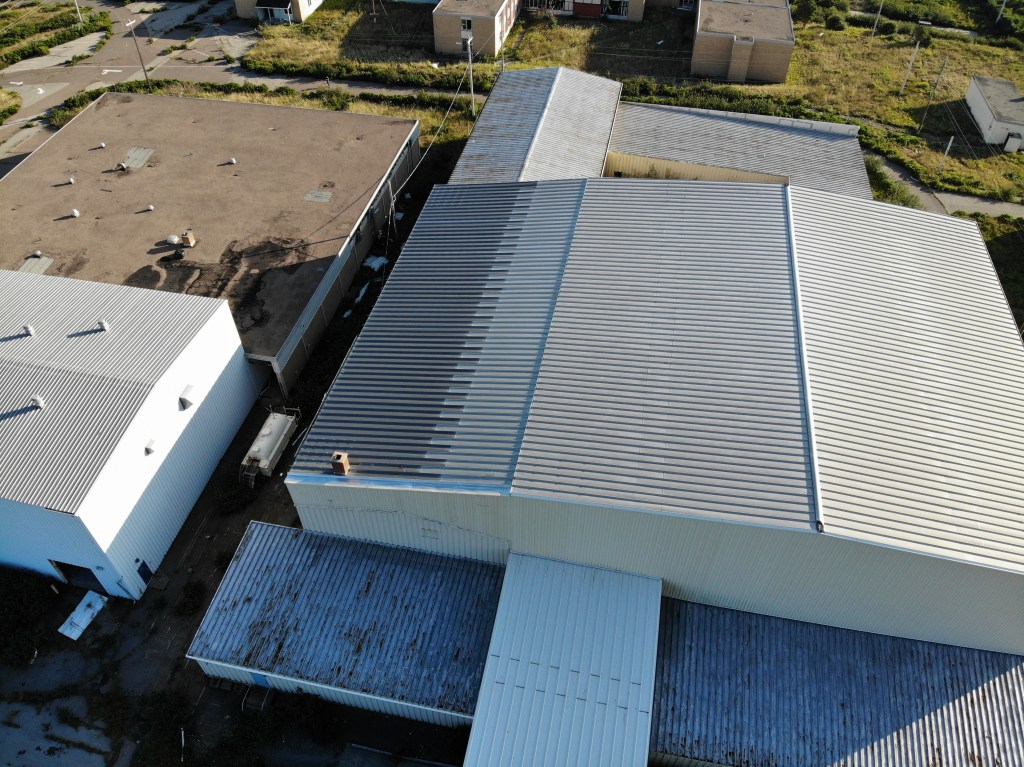
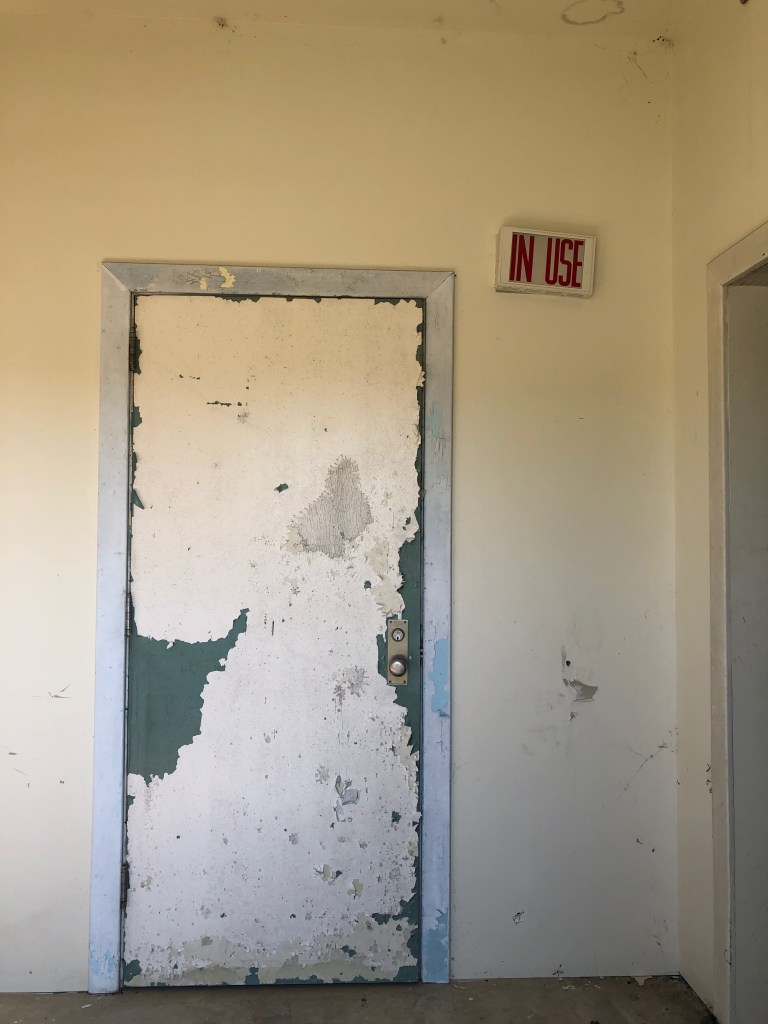
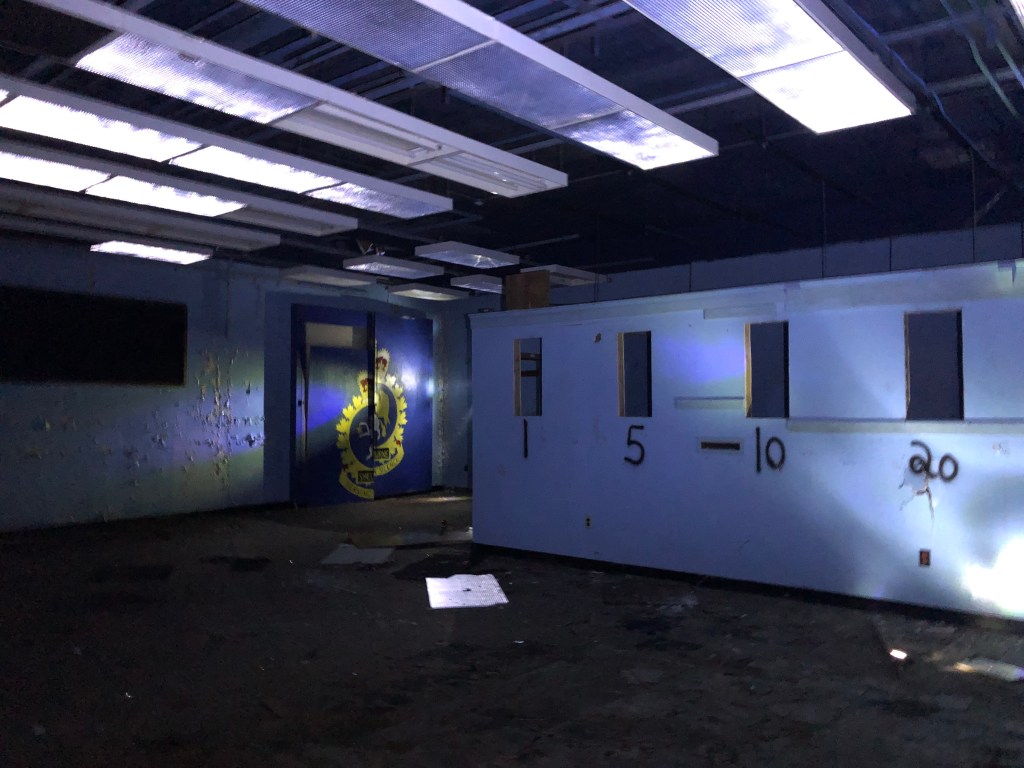
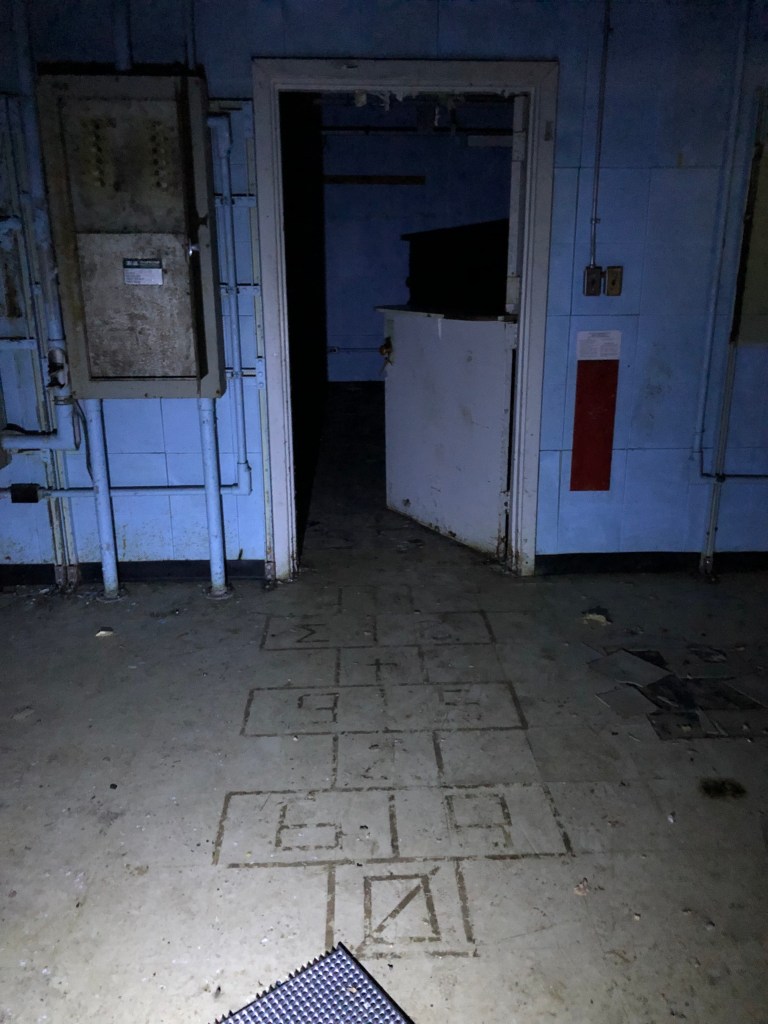
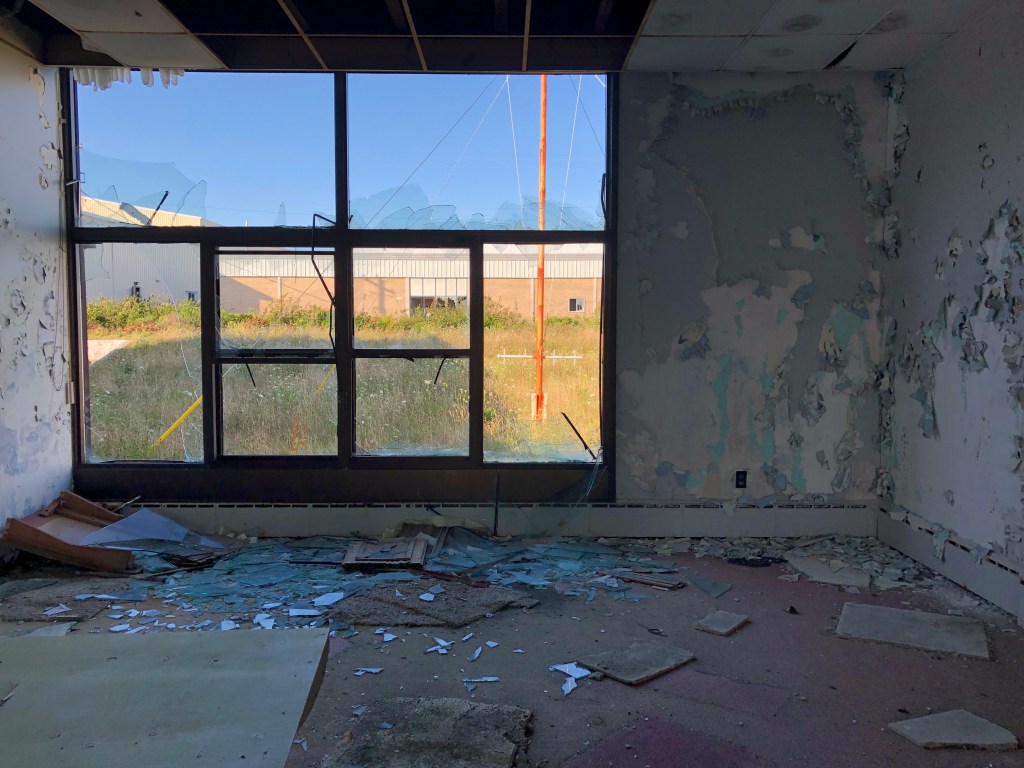
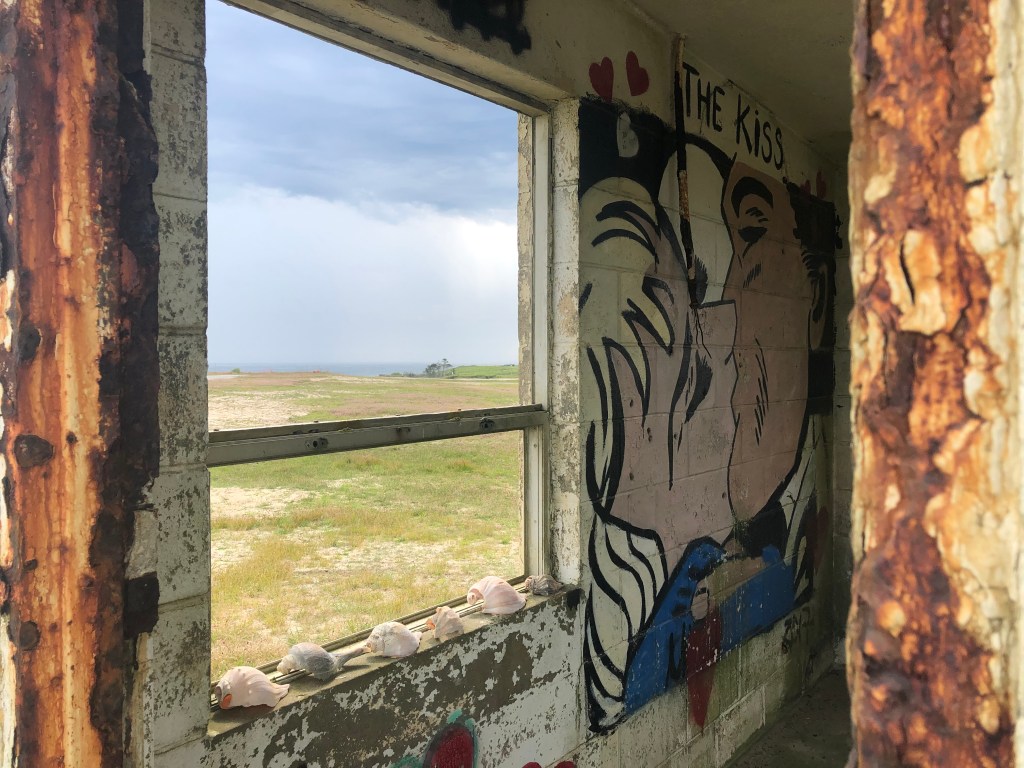
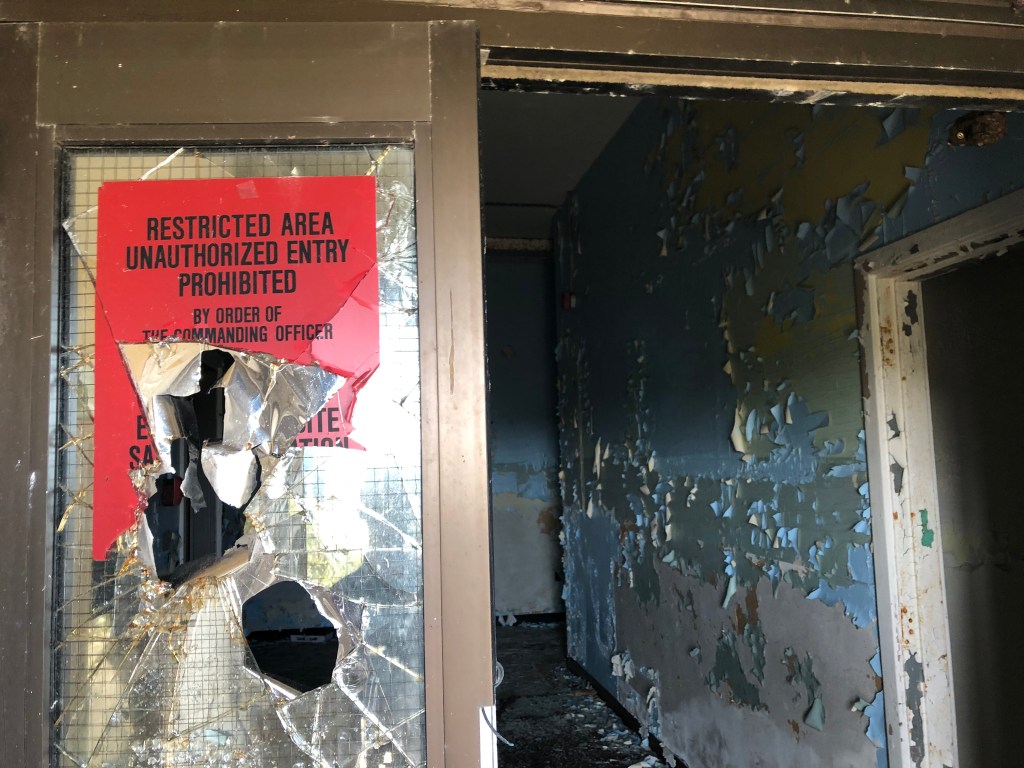
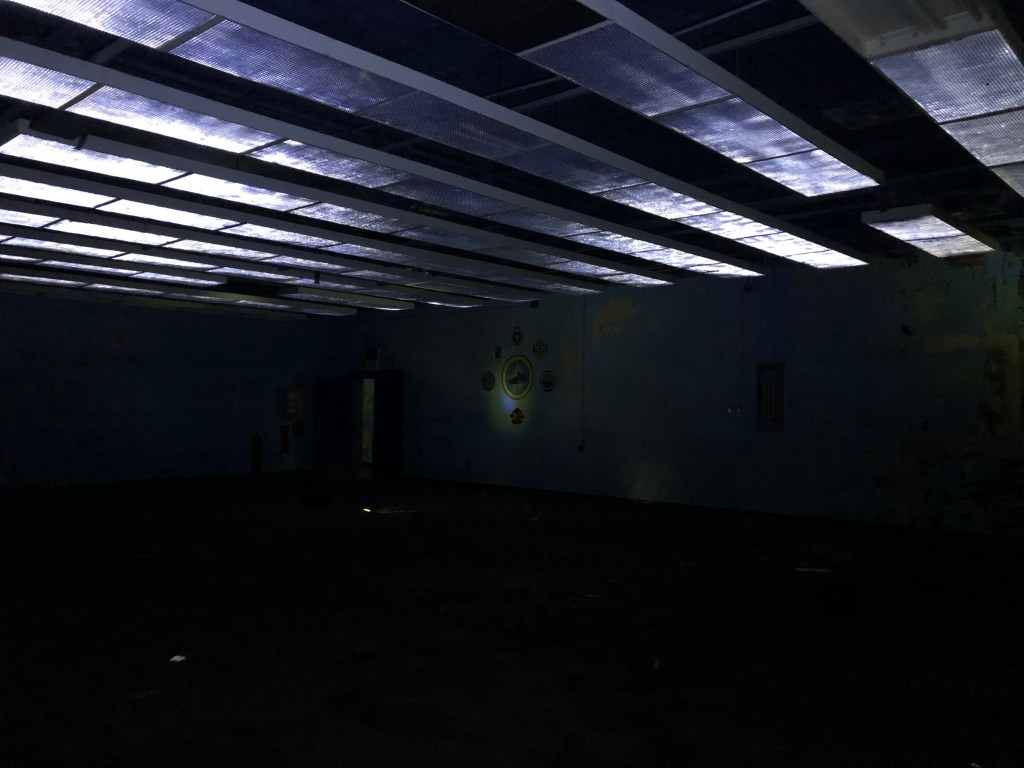
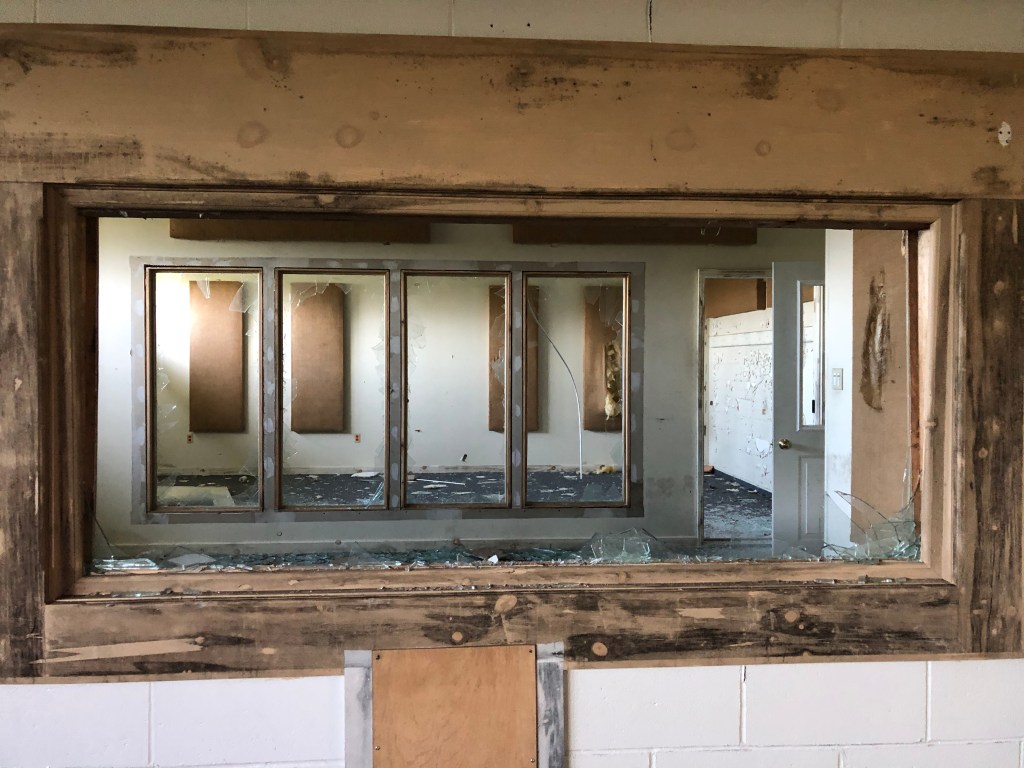
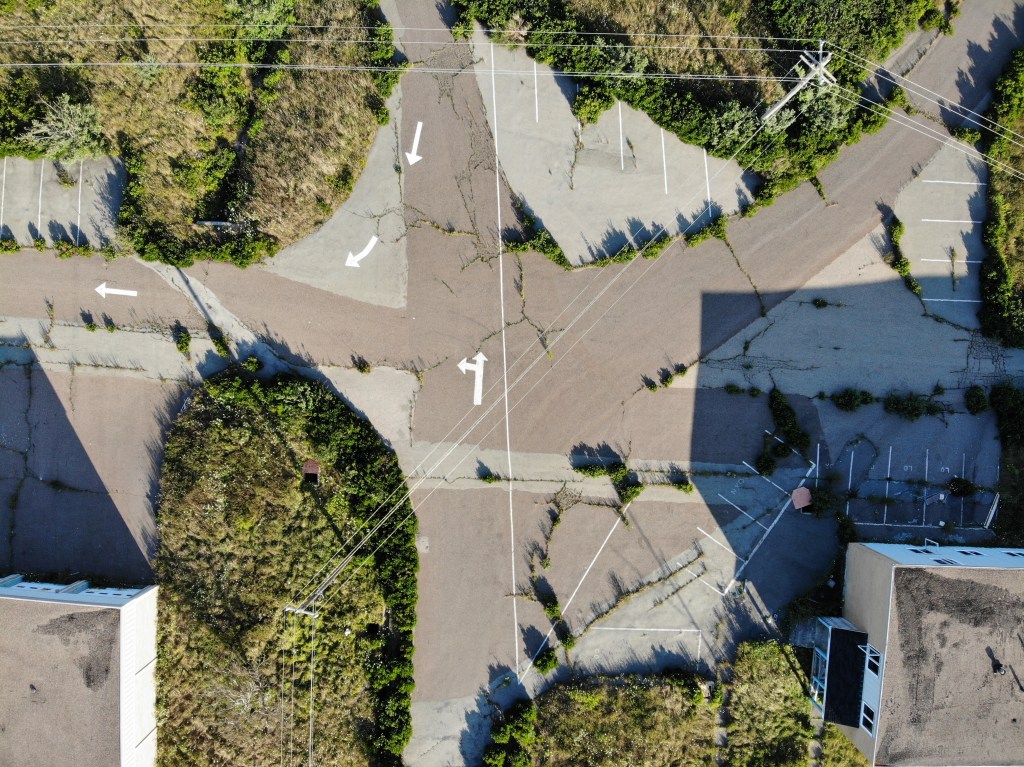
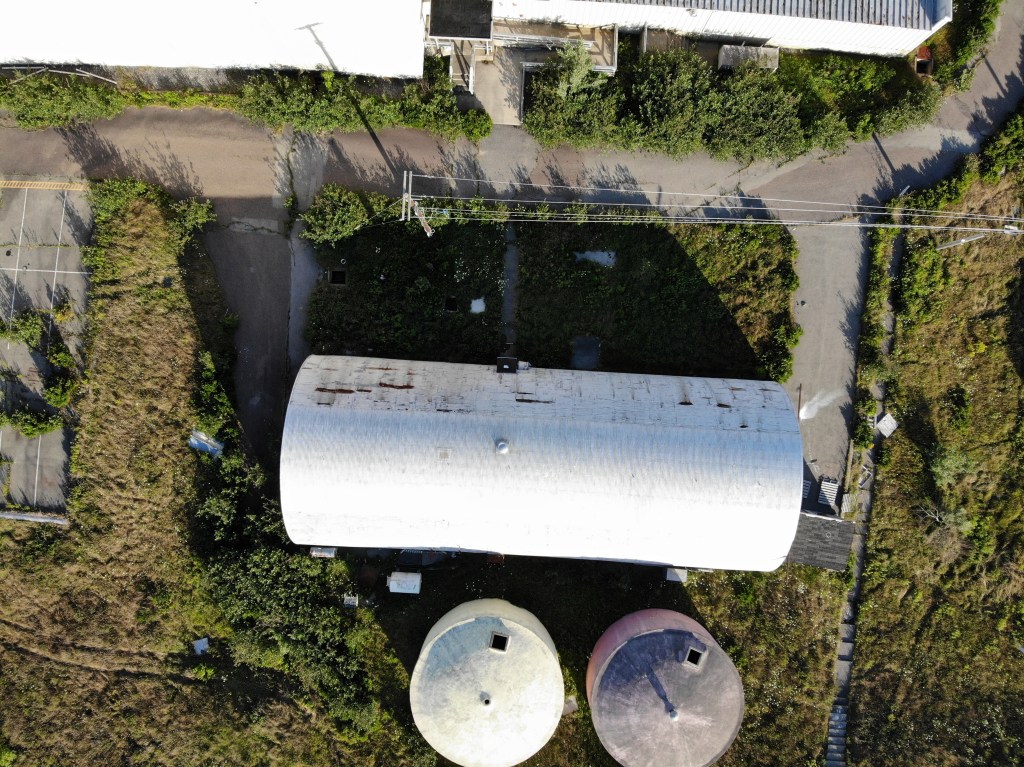
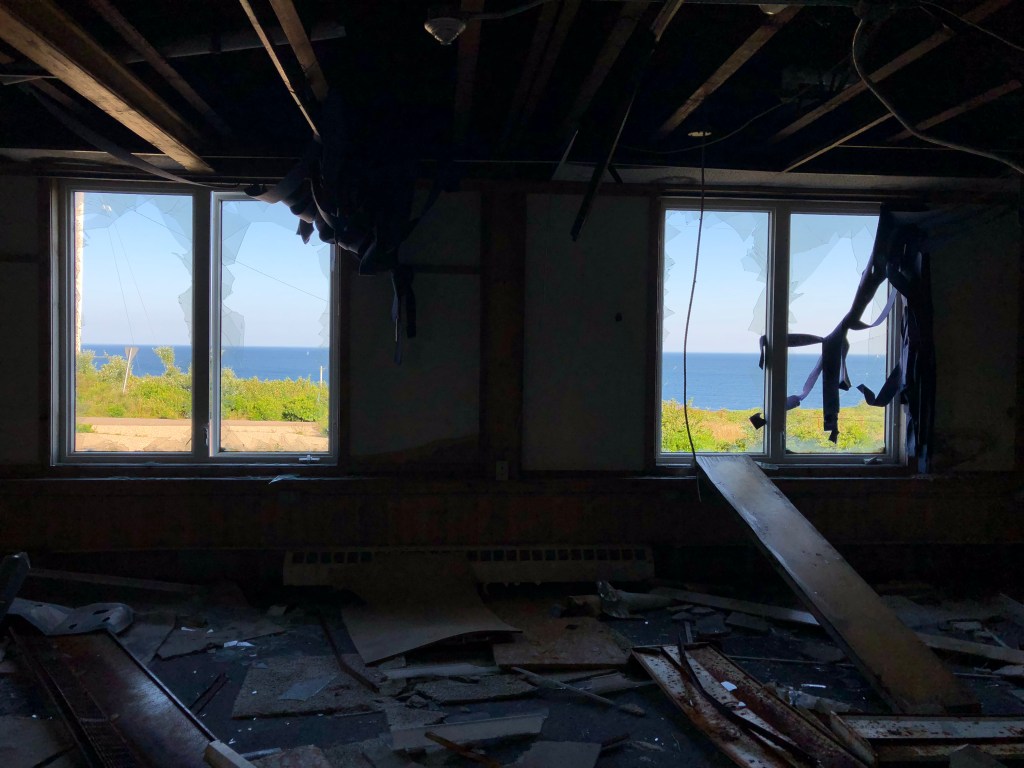
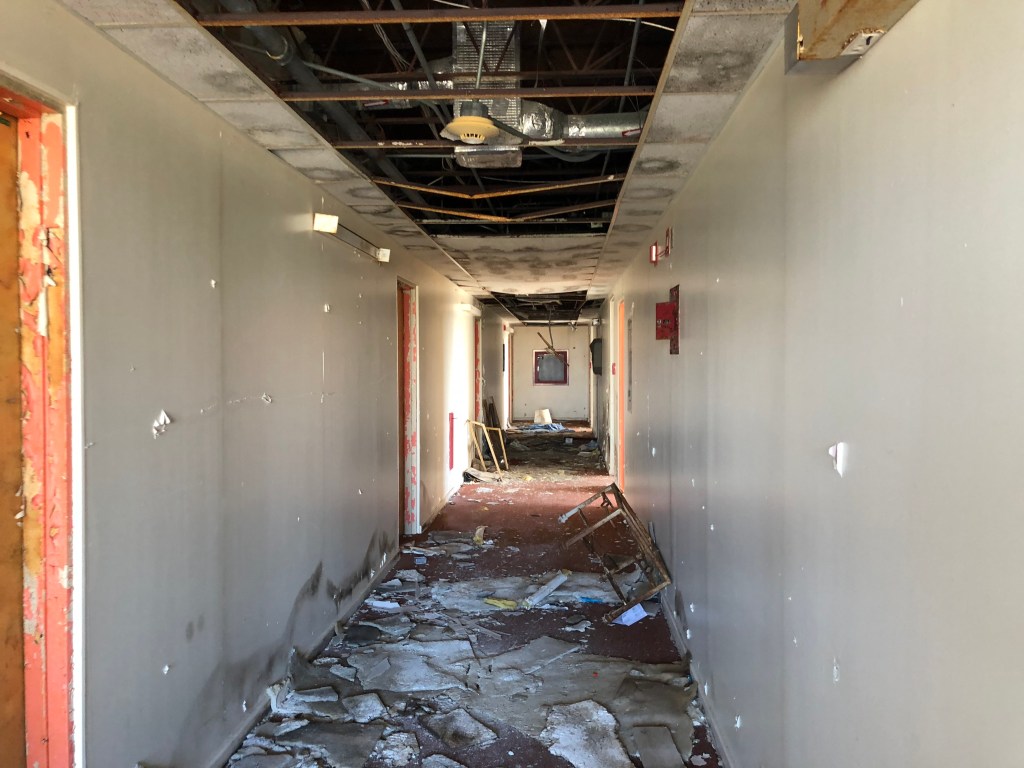
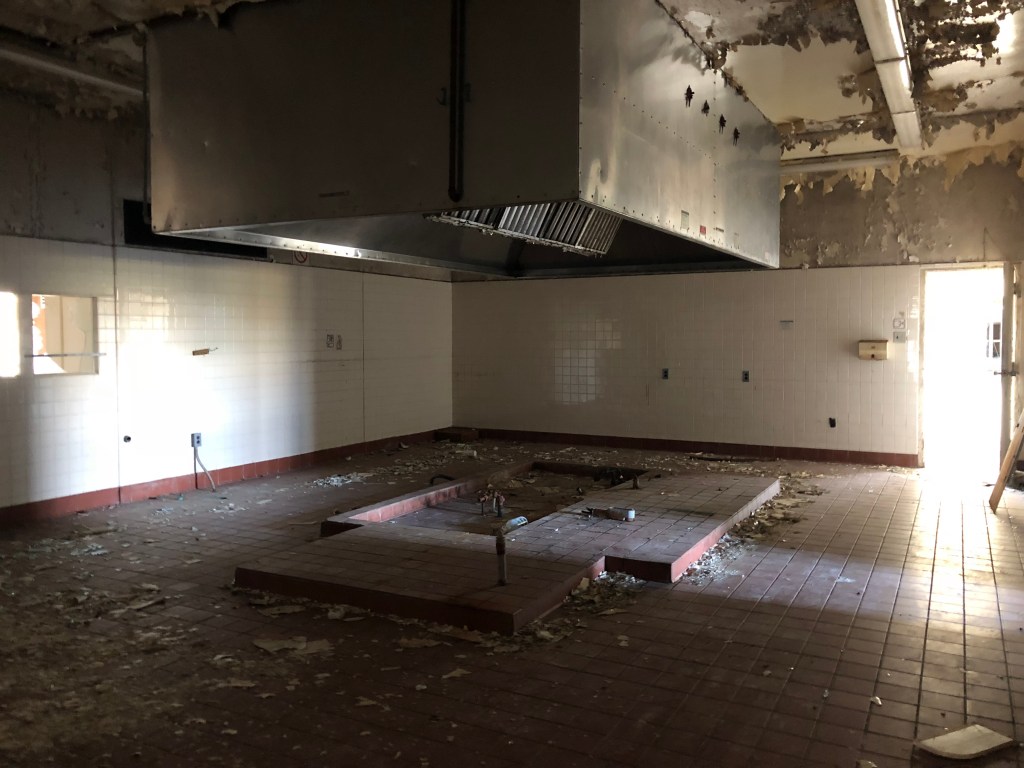
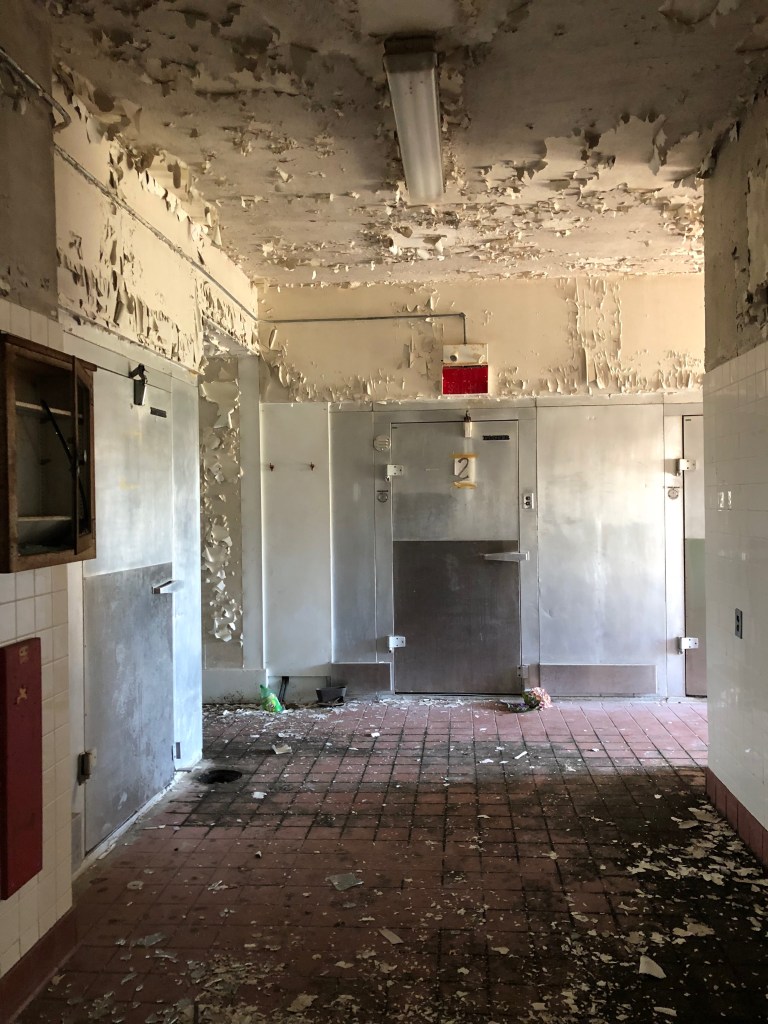
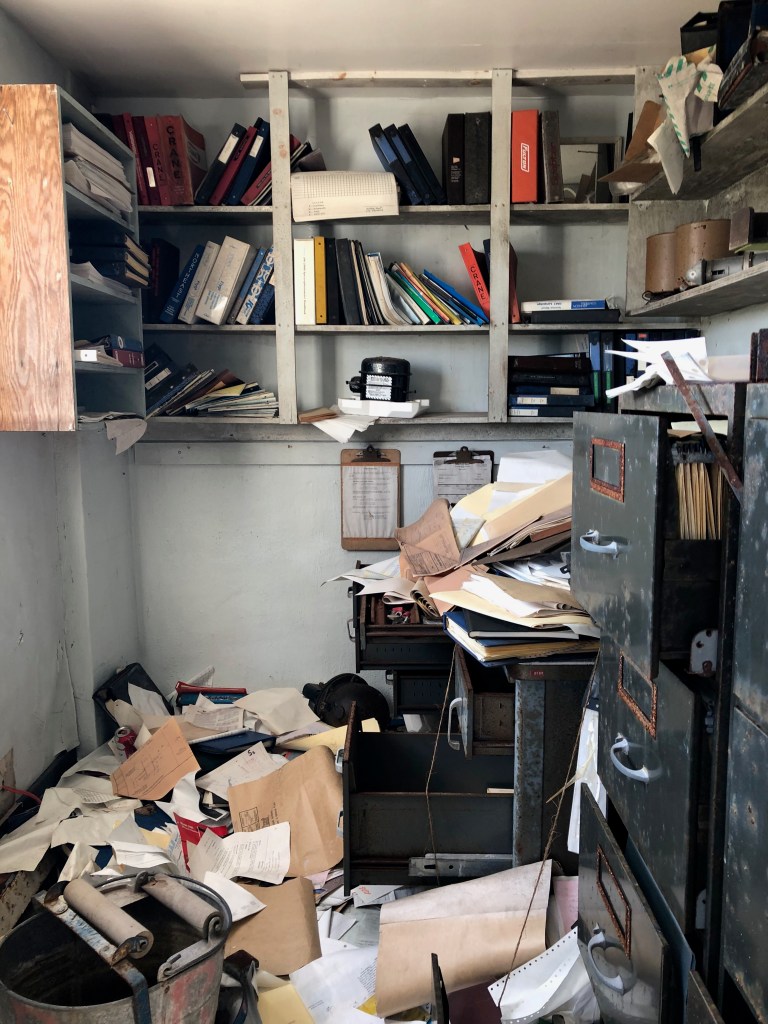
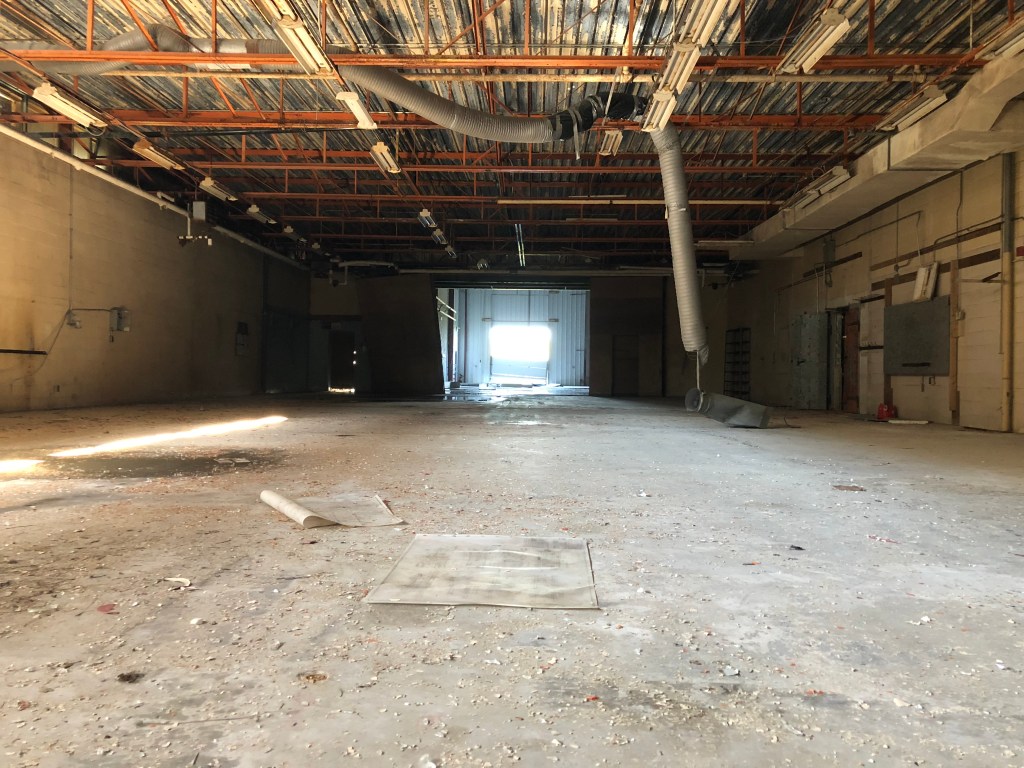
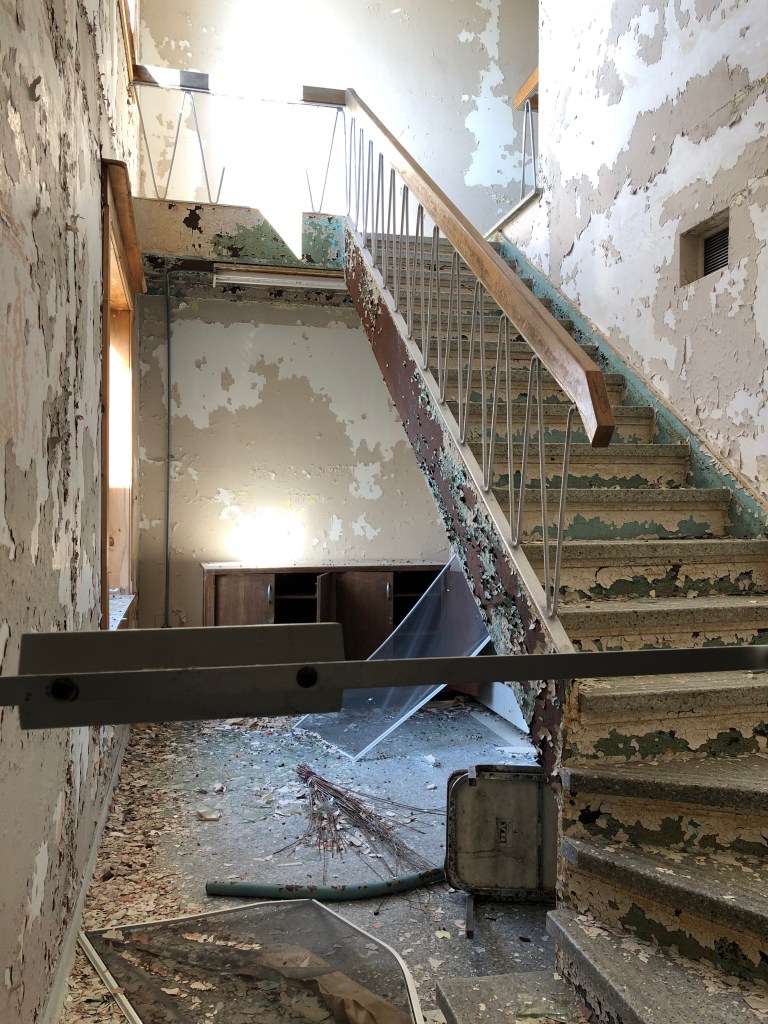
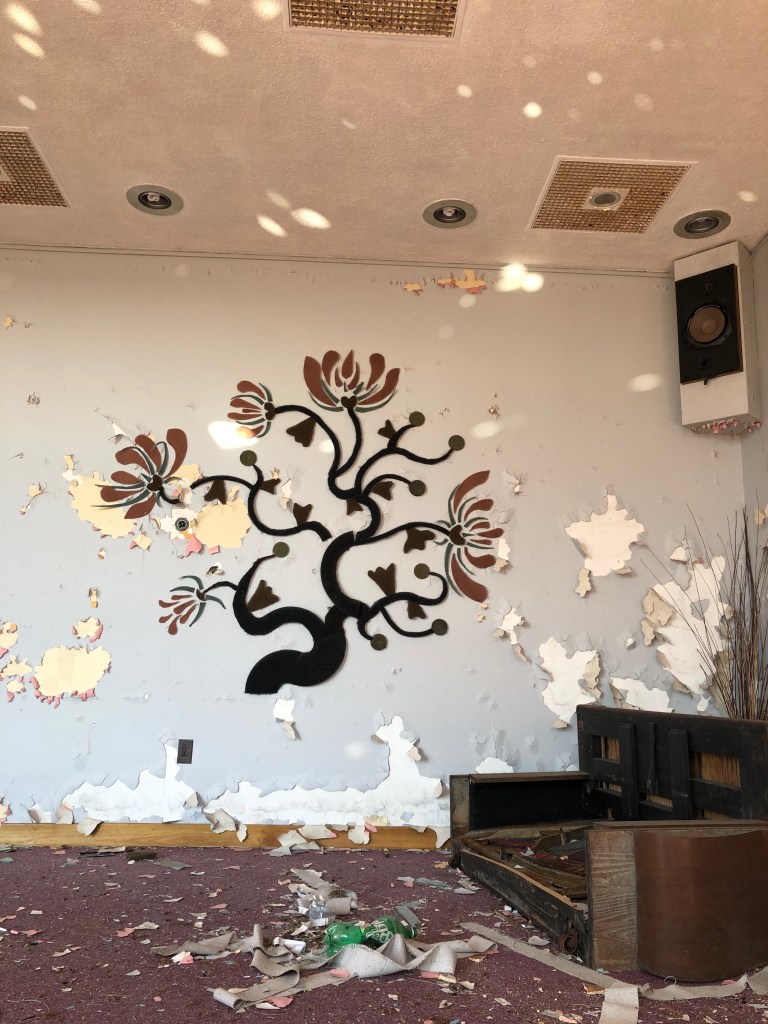
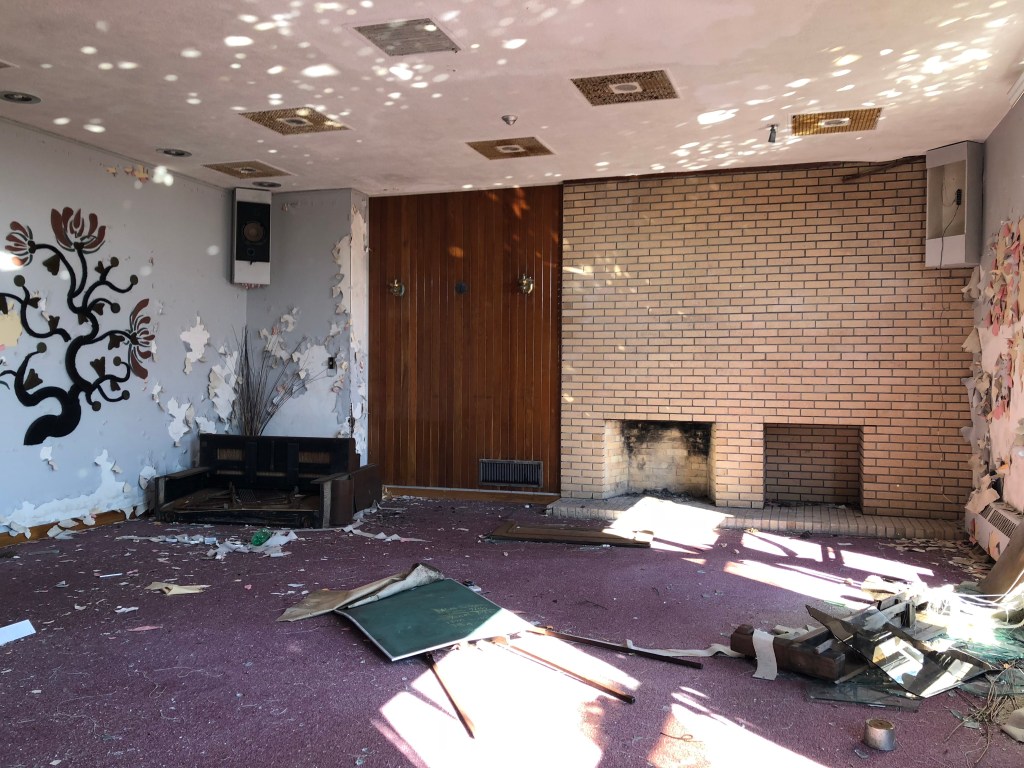
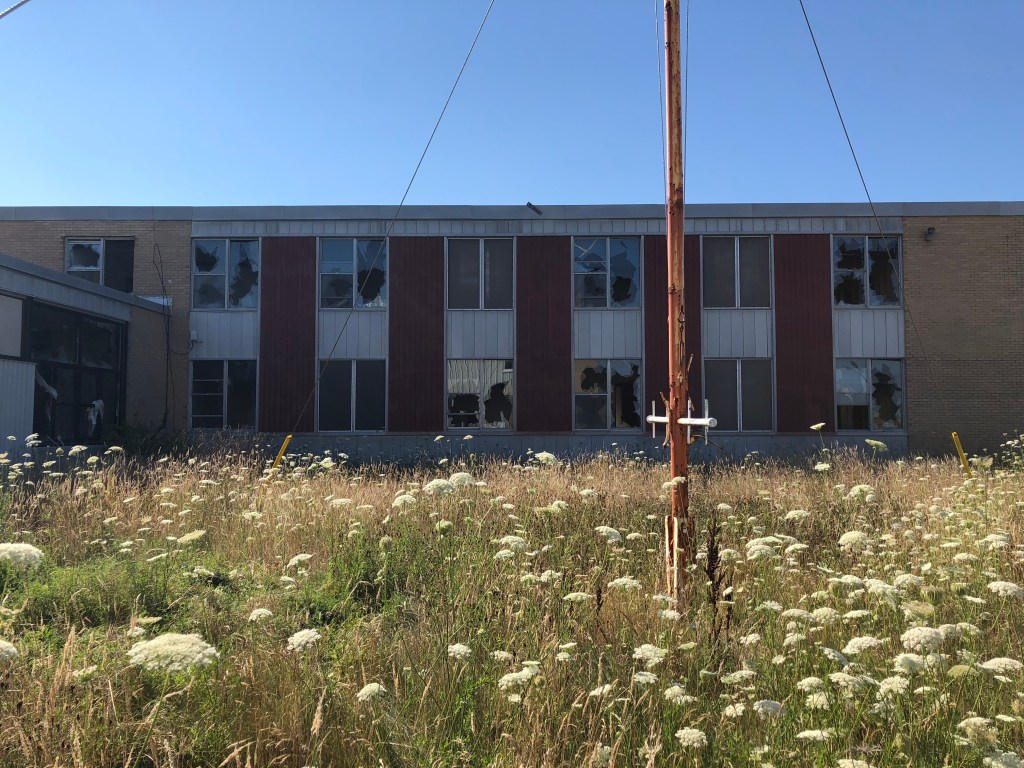
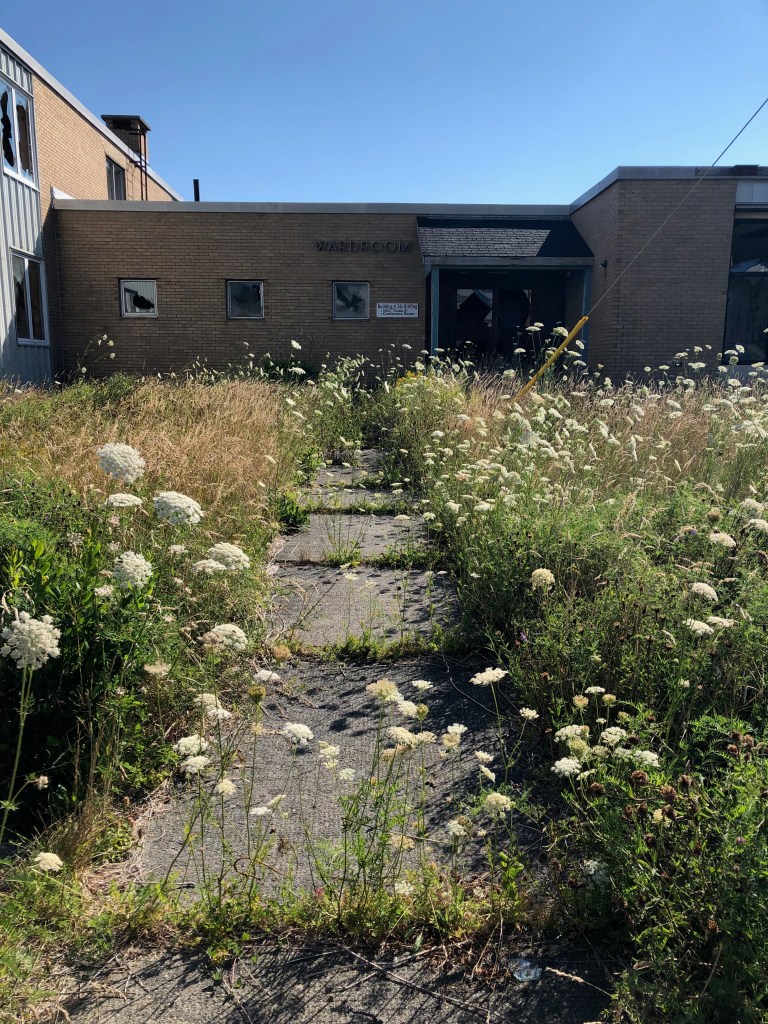
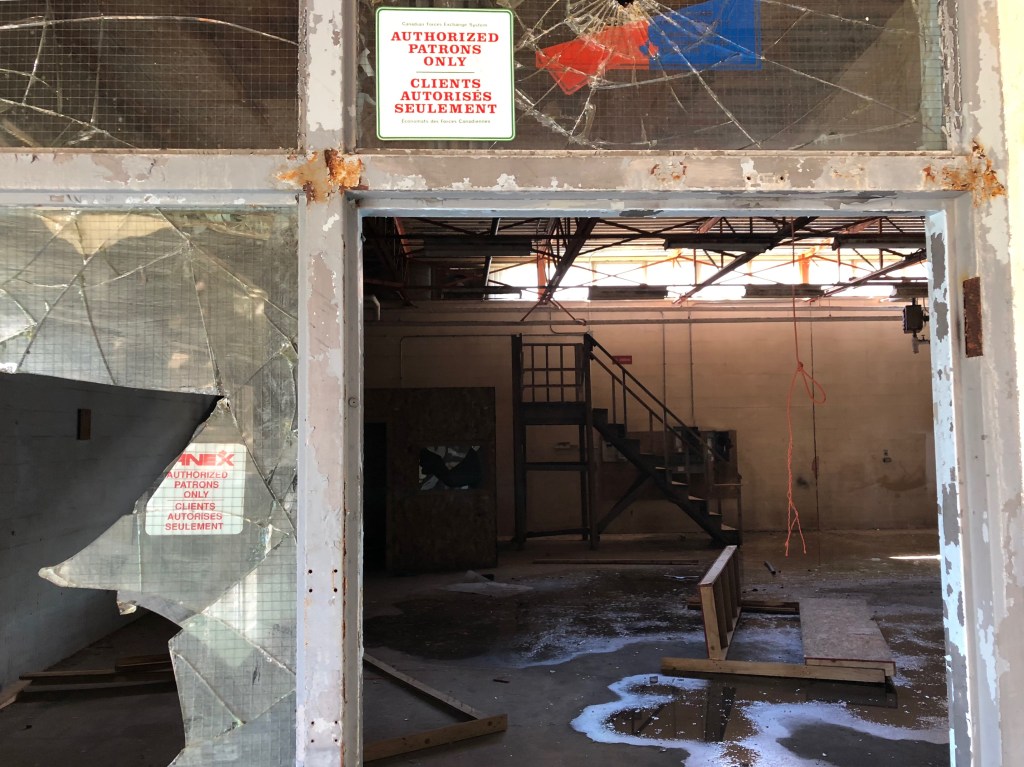
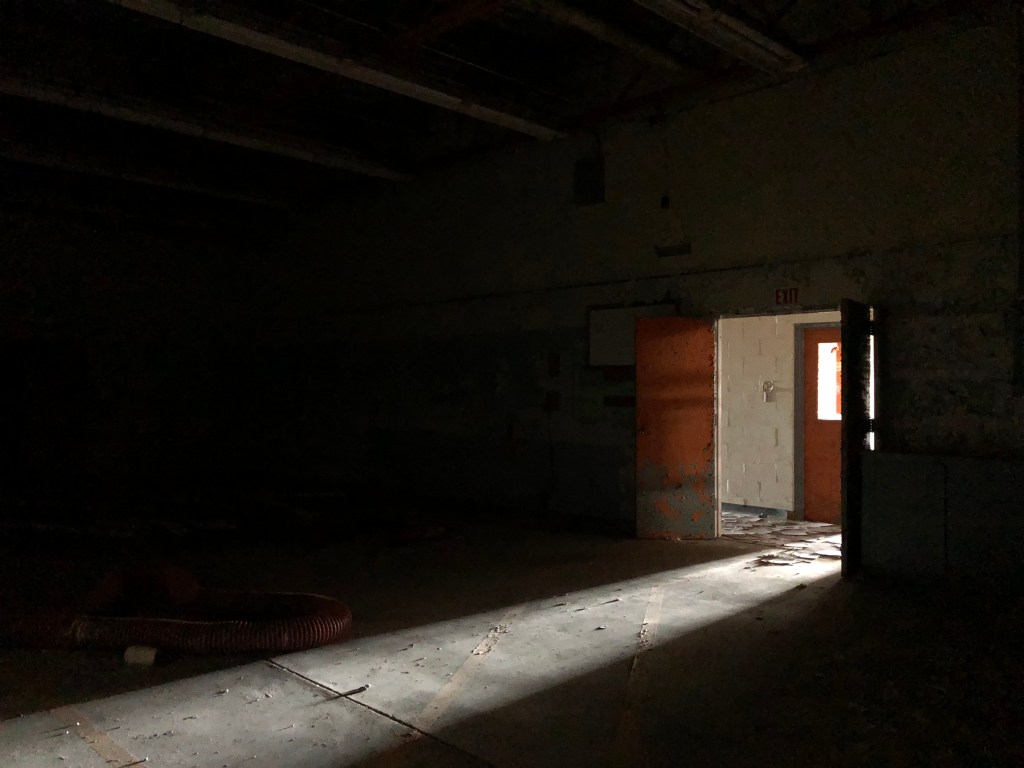
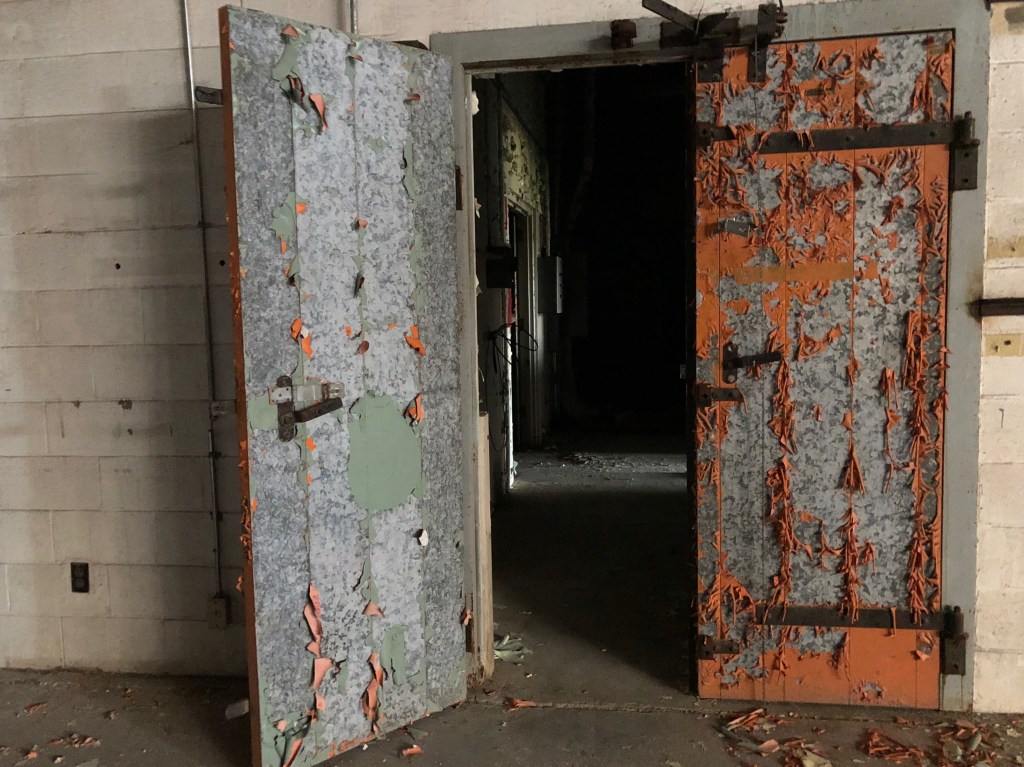
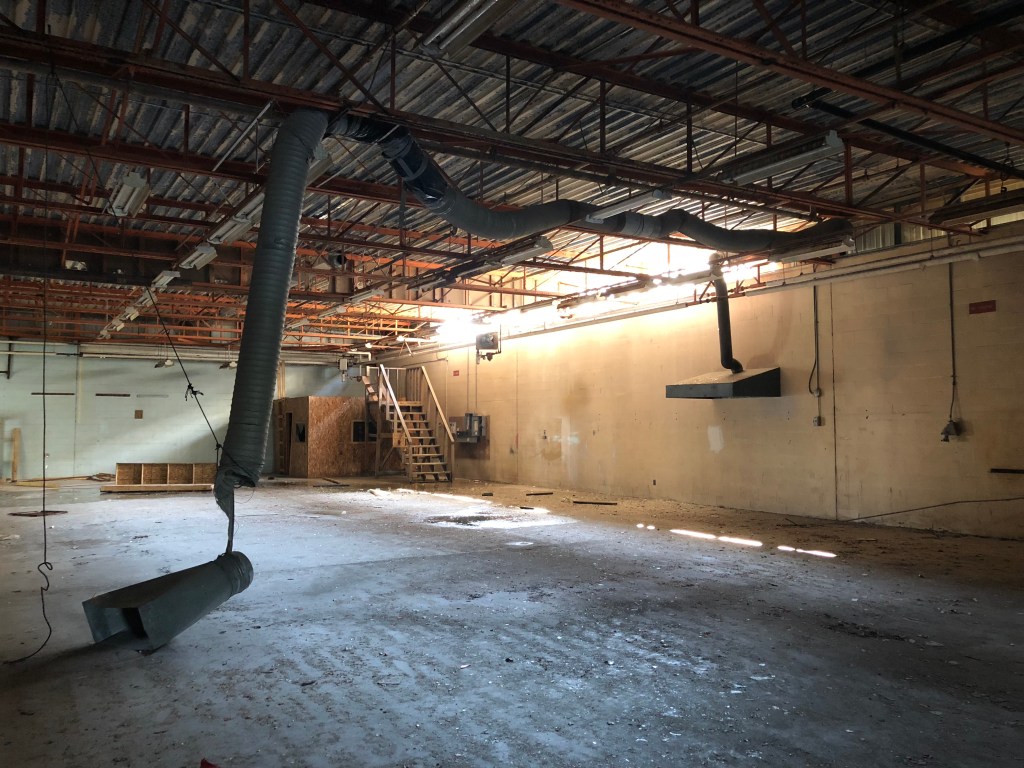
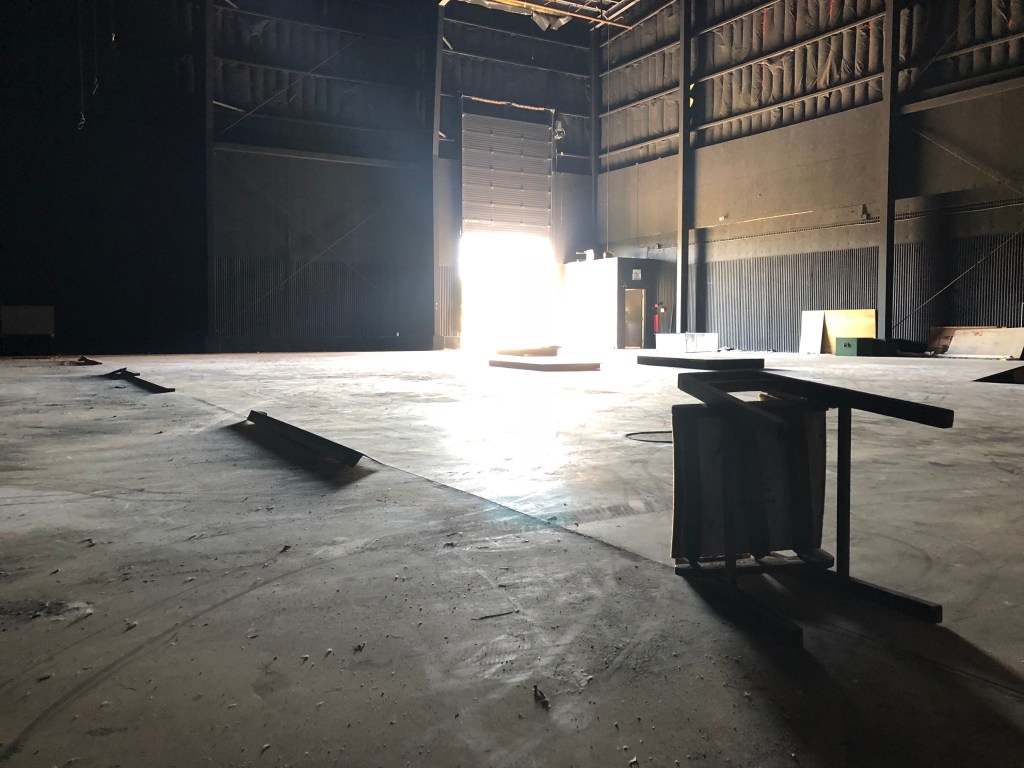
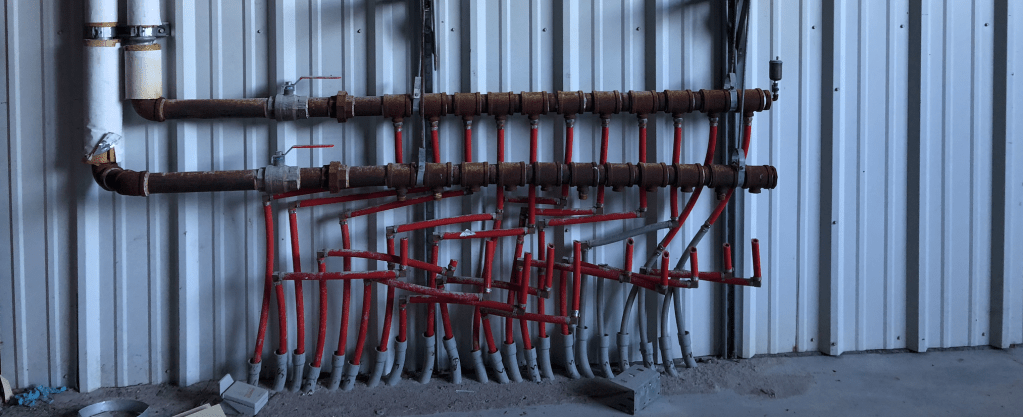
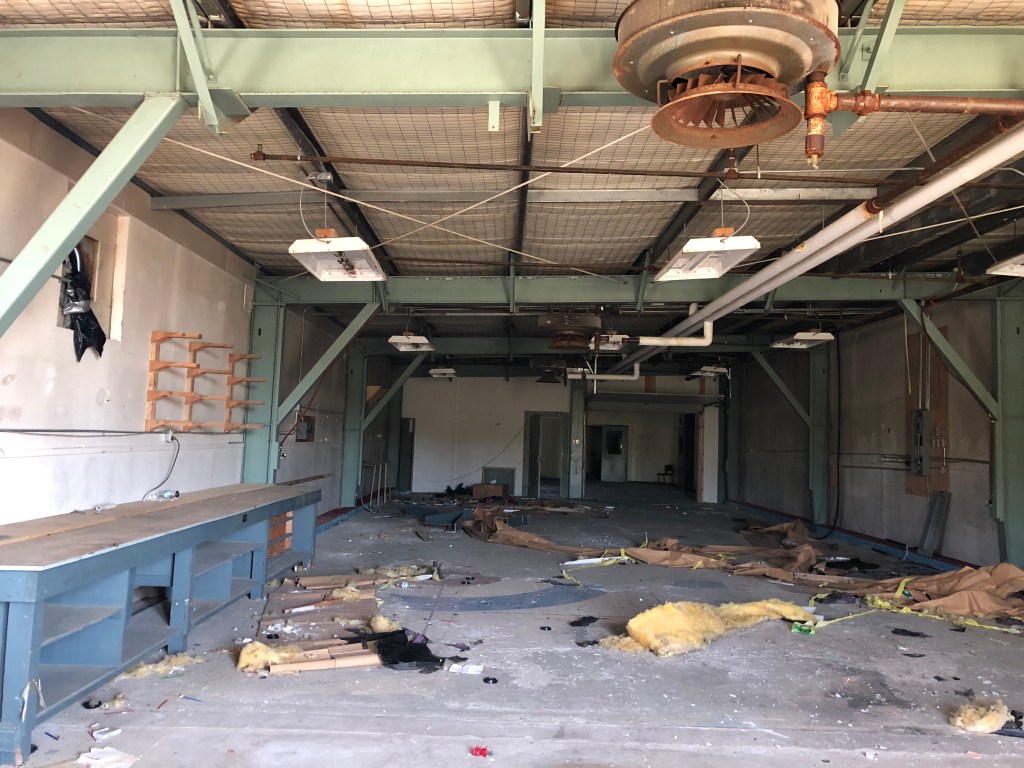
Photographs of the listening station from July 2018 and August 2019. Images: John Shiga.
Using a drone, I captured several hundred aerial images of the site and used photogrammetry to construct a point cloud and a final meshed model of the station. The model is not the final product but rather a springboard for a participatory research-creation initiative in which “layers” are virtually added to the SOSUS model which integrate lived experiences of the social and environmental impacts of SOSUS as well as potential redesigns of the SOSUS stations which are creatively repurposed and restructured in a way that articulates and responds to the contemporary socio-environmental concerns of local communities.

Preliminary 3D model of SOSUS listening station. Image: John Shiga.
The digital models are being used to create physical models of the stations 3D-printed in white to facilitate projection of animated information directly on the structures themselves either through video projection or through users’ phones/tablets via AR. The projected animations will be designed to engage users on multiple levels, beginning with explanations of basic technology, institutional developers/users and impacts of the sonar network to the development of more critical forms of engagement with the central issues and questions that drive this project regarding the role of sonar in shaping perceptions, representations and uses of the deep ocean. The physical platform is relatively inexpensive and lightweight and takes advantage of the modularity and variability of Augmented Reality (AR) to deliver continuously-updated virtual layers to the user’s phone wherever the platform is installed. Crucially, the platform will also work as a knowledge-creation tool, enabling users to annotate or “tag” the AR layers of the model with sound, image or text which can then be seen/heard by subsequent visitors. The combination of physical display and augmented reality allows aspects of the official archival history of SOSUS, including its many gaps, redactions and silences, to be questioned, complicated and challenged.
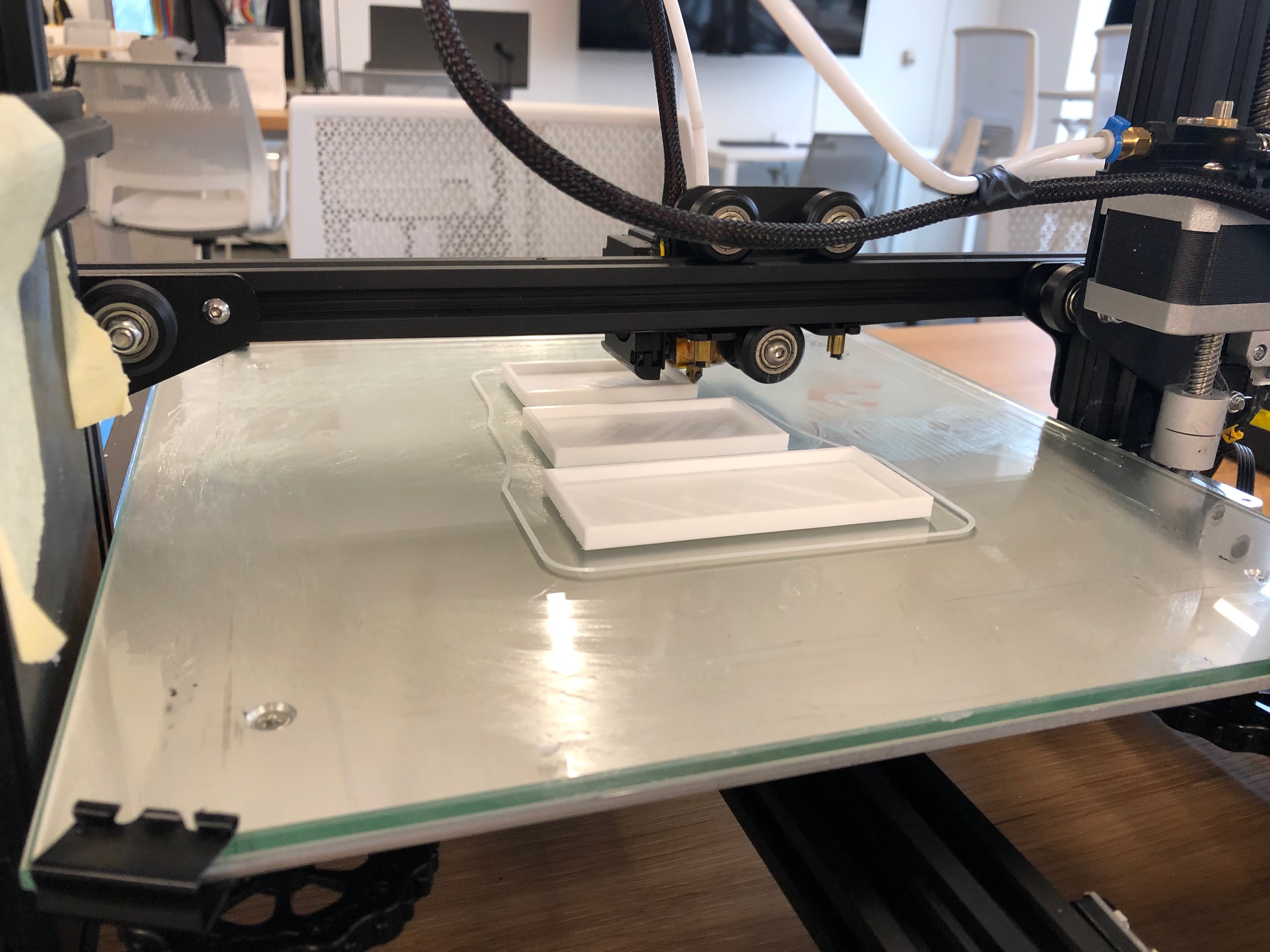
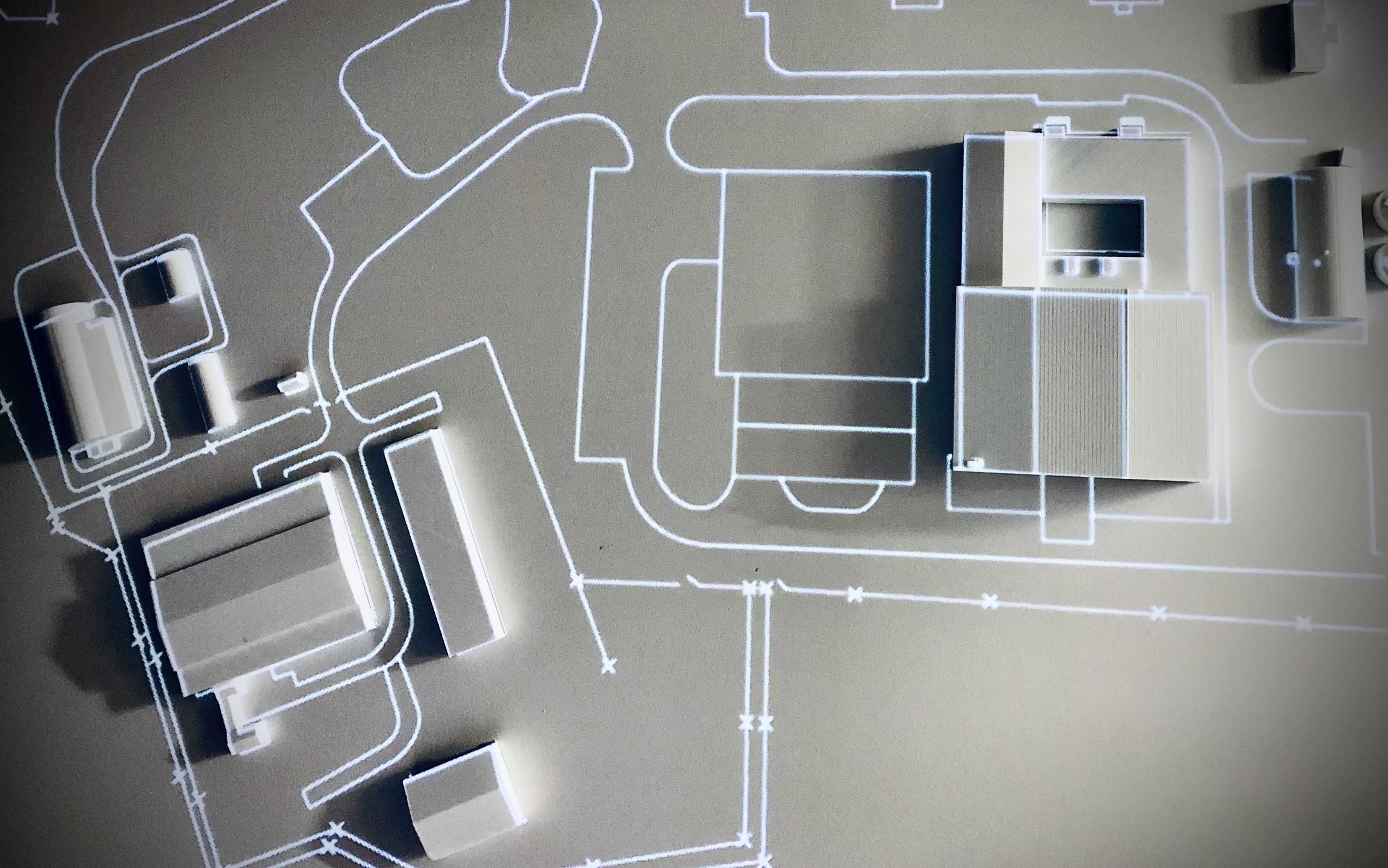
3D-printed model of the listening station. A map found during one of my site visits is projected onto the surface of the model. Image: John Shiga.
On one level, the project works as a mode of preserving “acoustic ruins” which are deteriorating rapidly due to scavenging, redevelopment, weather and vandalism. However, the primary objective of the online platform is to translate the research findings about particular points of contact between sonar and ocean noise that will engage both academic and non-academic audiences in “ocean noise” from the Cold War to the present. By merging archival materials with my own photographic, video and audio recordings, the model will allow the user to see and hear how the space changes from the Cold War to the present but the project’s findings around the legacy of Cold War acoustemologies will foreground both the continuities and ruptures in the technologies, cultural practices and modes of perception that shape ocean noise then and now.
The goal is not only to provide access to the archival documents which this project has so far collected about the construction of sound and noise in SOSUS but also to enable users within and beyond the academy to engage in sonic historiography of SOSUS; this includes listening to the sounds and spaces of Cold War ocean surveillance and reflection upon the manner in which these acoustic elements shaped experience, identity, community and knowledge in relation to ocean space; sonic historiographic practice may also include application and repurposing of acoustic concepts (signal, noise, silence, echo, etc.) for detecting and problematizing patterns in archival materials (e.g., applying the sound/noise framework to understand what various publics can access, observe and interpret through barriers imposed by redactions, restrictions and over 700 abbreviations used in SOSUS documentation).
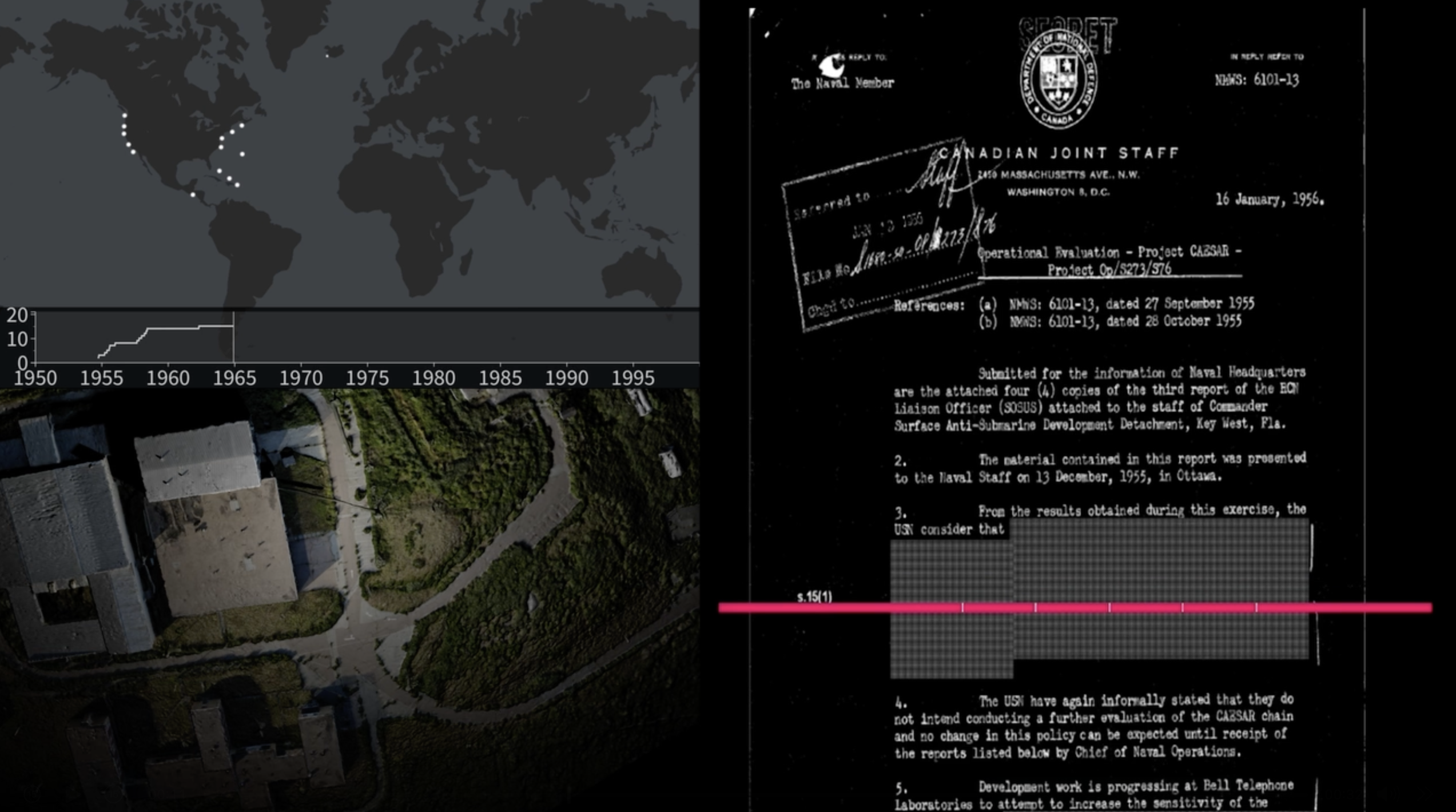
Still image from an audiovisual exhibit which juxtaposes a timelapse of SOSUS sites as they are activated along North American and European coastlines and in the Pacific, an animated 3D model of a SOSUS facility, and a sonification of censored information in military documents I obtained through an Access to Information request. Image: John Shiga.
As with the physical platform discussed above, which will be displayed in and redesigned by two communities in Atlantic Canada, the virtual platform will facilitate exploration of future uses a SOSUS-like acoustic “observatory”: how might the SOSUS network be reconfigured to constitute new forms of acoustic community, knowledge and experience? This latter component will be particularly useful for collecting stakeholders’ ideas about how to develop a larger-scale installation for engaging with Canada’s role on in enacting the acoustic front or border and its “vertical territory” in the Atlantic during the Cold War. The process of developing this experimental assemblage will be presented in a white paper to cultural heritage organizations and the Directorate of History and Heritage (DHH) outlining the value of material artifacts from the NAVFACs in Canada as sites of cultural memory and as platforms for public engagement with the audible history of military ocean sensing.
Further, the research-creation methodology of this project may be applied to other projects in critical studies of media infrastructure whereby the exploration, documentation and redesign of infrastructures aims not so much to preserve infrastructure “ruins” but to repurpose them as creative “diffraction apparatuses” which allow scholars and stakeholders to confront “sedimentations of past differentiations” – in this case, in the context of acoustic sensing systems – to better understand the material-discursive environment that made the acoustic enclosure of ocean space possible, and to imagine new ways of defining boundaries and shaping differences in ocean sound that might allow more open-ended and less instrumental, enclosed and extractive configurations of human activity and ocean environment to come into being (Schadler, 2019, p. 219).
Schadler, C. (2017). Enactments of a new materialist ethnography: methodological framework and research processes. Qualitative Research, 19(2), 215-230

