Refractions: Making Cold War Archives Audible

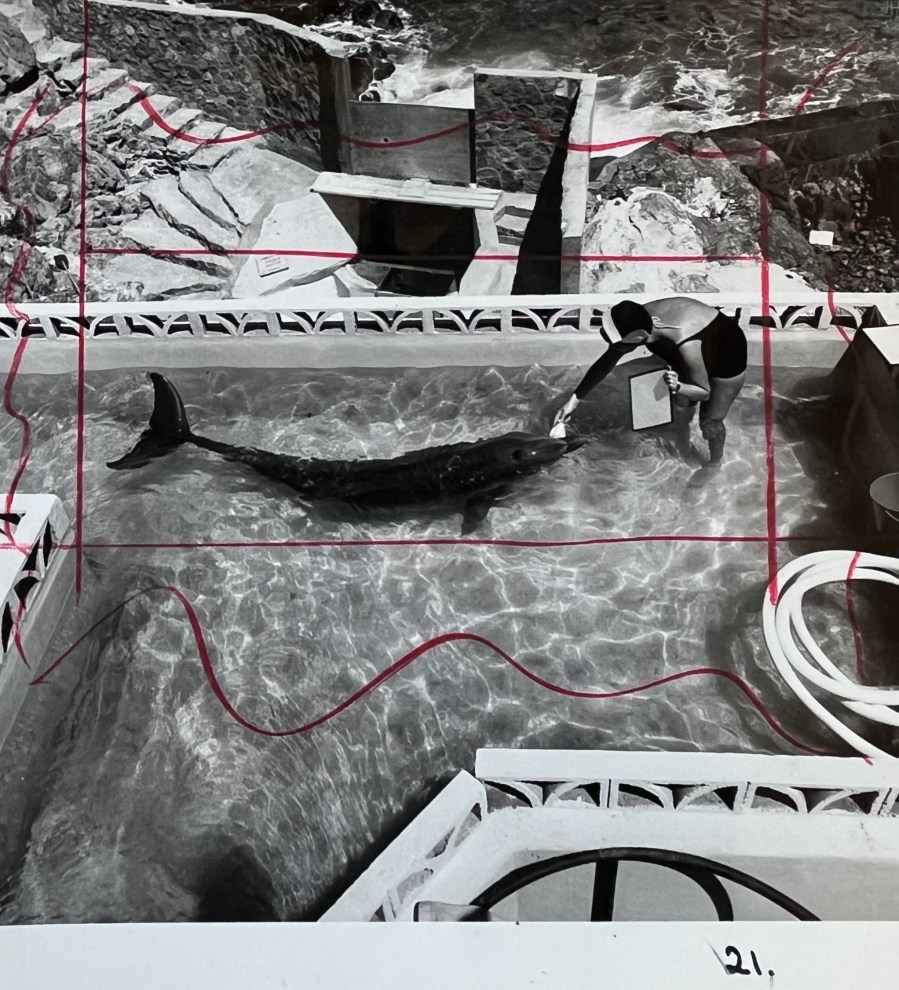
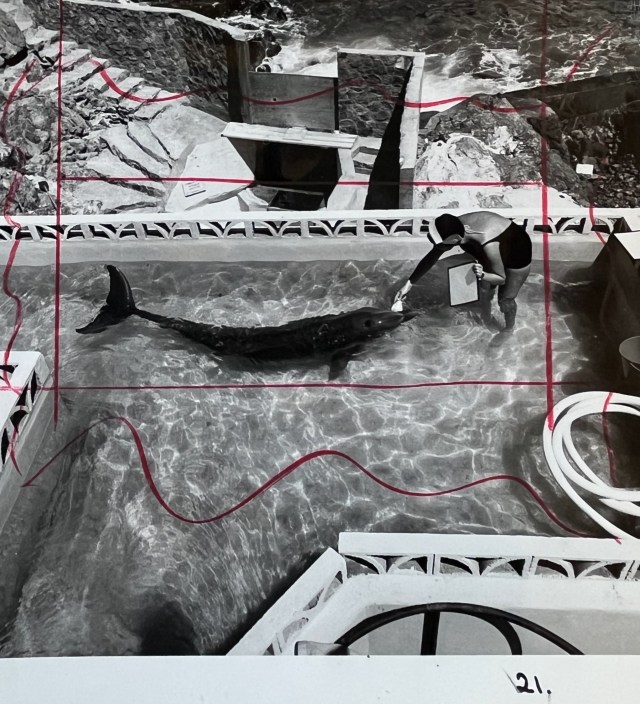
Photograph of Margaret Howe and a dolphin on the flooded balcony at the Communication Research Institute, St. Thomas, U.S. Virgin Islands. Image: John C. Lilly Papers, M0786. Department of Special Collections and University Archives, Stanford University Libraries, Stanford, California.

Refractions is a sound and projection installation that reimagines Cold War-era dolphin-human communication research through archival audio, data sonification, and storytelling, revealing the entanglement of this work with military-scientific infrastructures and using the concept of “refraction” to explore how sound, signals, and histories shift as they move across mediums, institutions, and species.

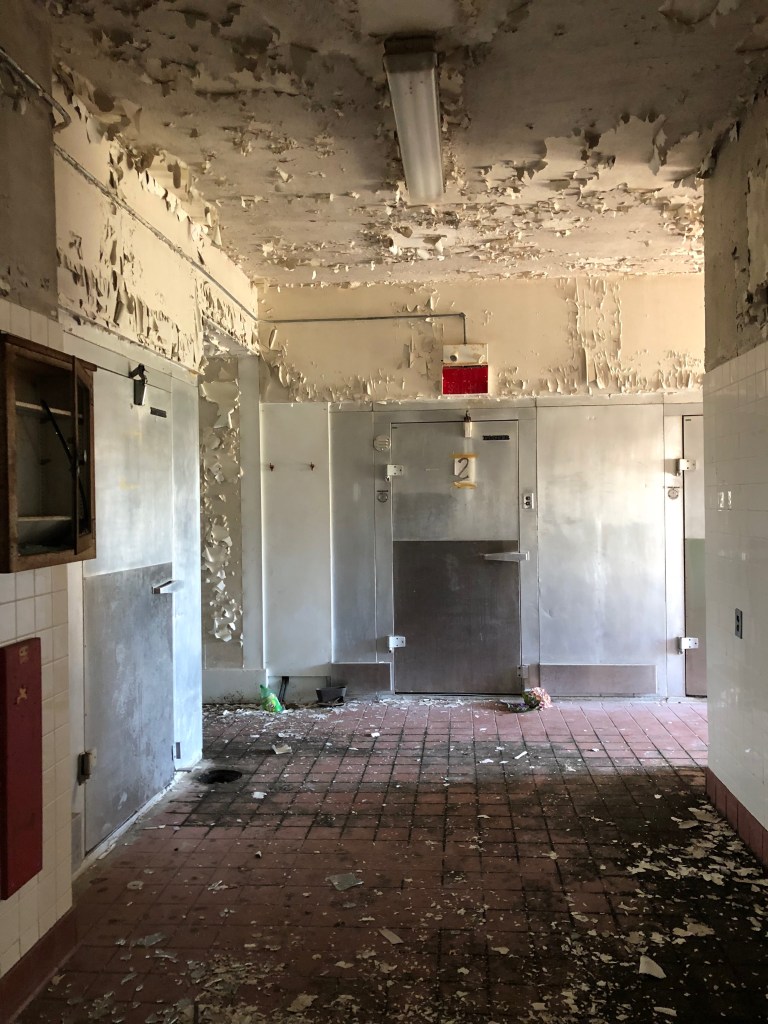
tary and scientific remote sensing infrastructures. The composition is based on archival recordings produced at John C. Lilly’s Communication Research Institute’s (“CRI”) Dolphin Point Laboratory in St. Thomas, U.S. Virgin Islands where Lilly and his team carried out an ambitious research program that aimed to establish two-way communication between humans and dolphins.  

The installation’s guiding creative principle is notion of “refraction,” or the process of distorting, bending and altering the direction of a signal as it moves from one medium into another. For military scientists, and for the team at the CRI, refraction was a challenge to be overcome since it distorts sounds as they move from air into water, and vice versa. Devices such as hydrophones (underwater microphones) were designed to overcome this problem. In my project, I use refraction as a way of thinking about the possibilities for intervening in the way archival documents and sound recordings travel through institutional spaces and their effects on bodies and material environments.

Refractions began as a tool for research on the history of the CRI. I initially arranged the archival recordings into “rooms” on a Digital Audio Workstation so that I could listen to them in a systematic but non-linear way as part of my research on this history of sound in the Cold War. Gradually, the DAW setup and the processed recordings evolved into Refractions, which recreates the soundscape of St. Thomas facility and, just as importantly, retraces the institutional and technological networks that supported and shaped the CRI.   

The U.S. Navy, Air Force, NASA, among other scientific and military institutions, provided funding and other support to the CRI to develop the St. Thomas facility and carry out a novel but controversial research program on human-dolphin communication. These institutions had a shared interest in advancing Lilly work for various Cold War-related ends related to the conquest of vertical space (ocean, atmosphere, outer space).
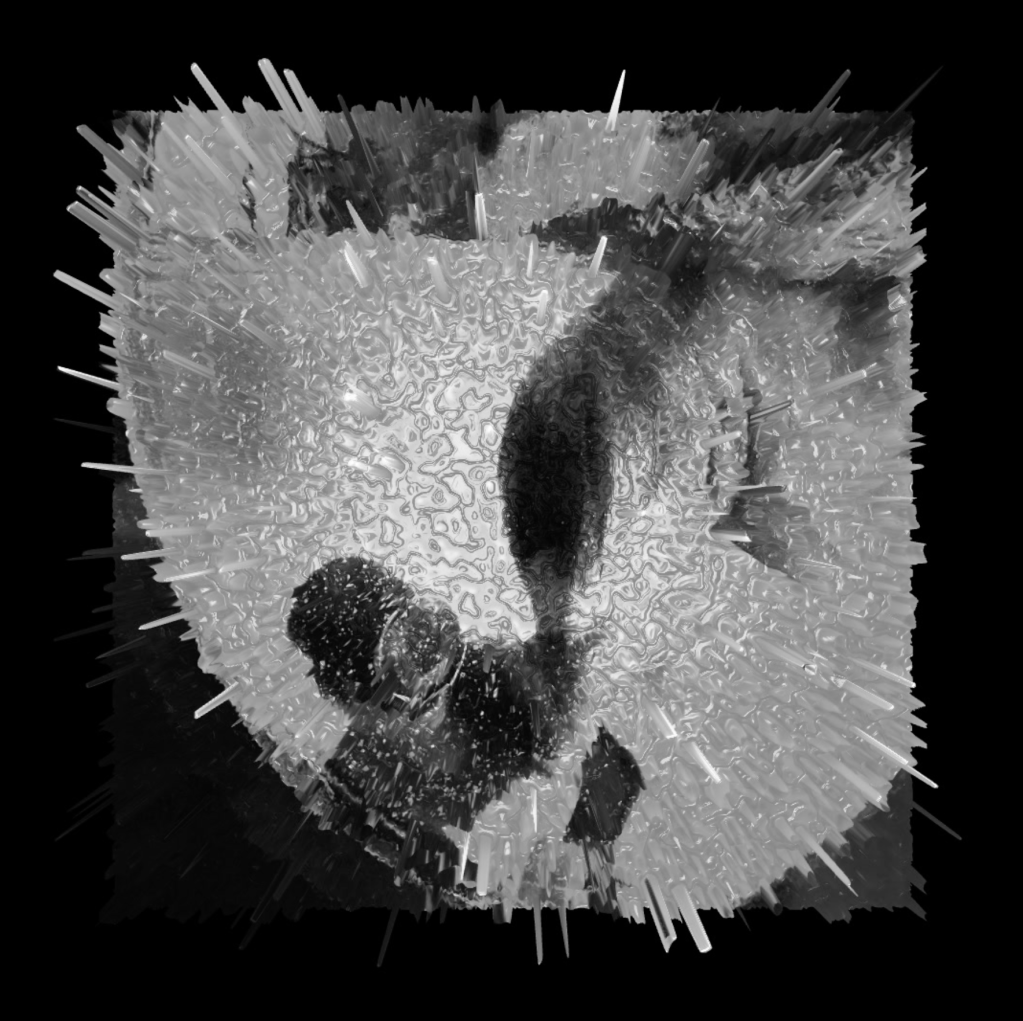
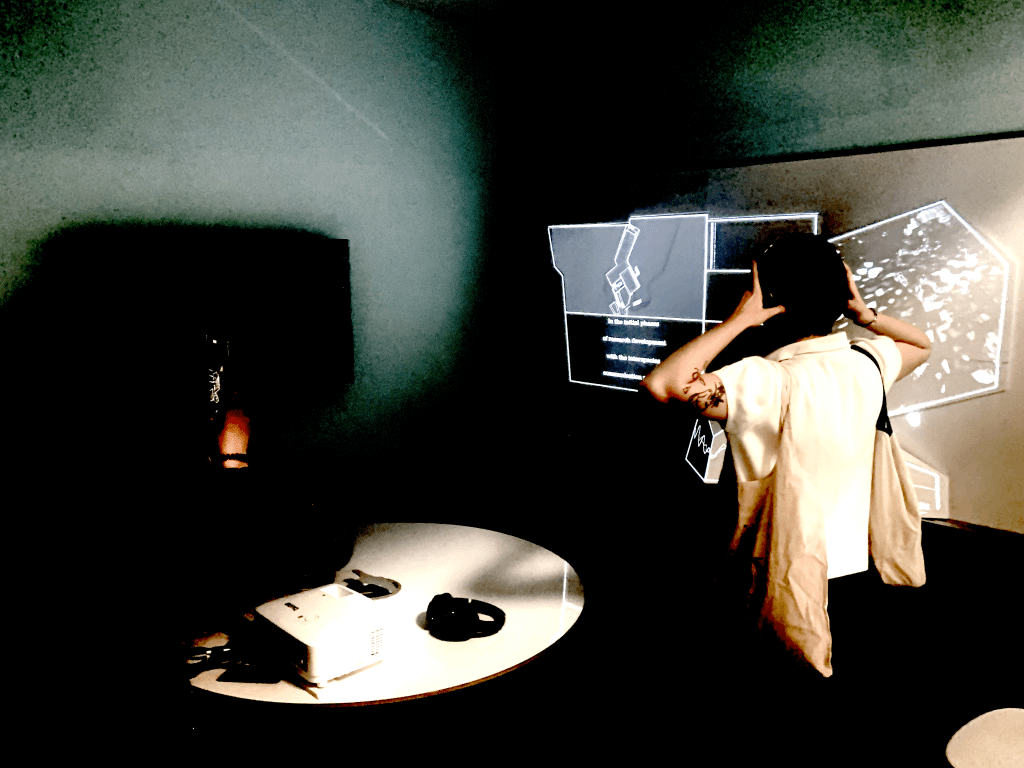
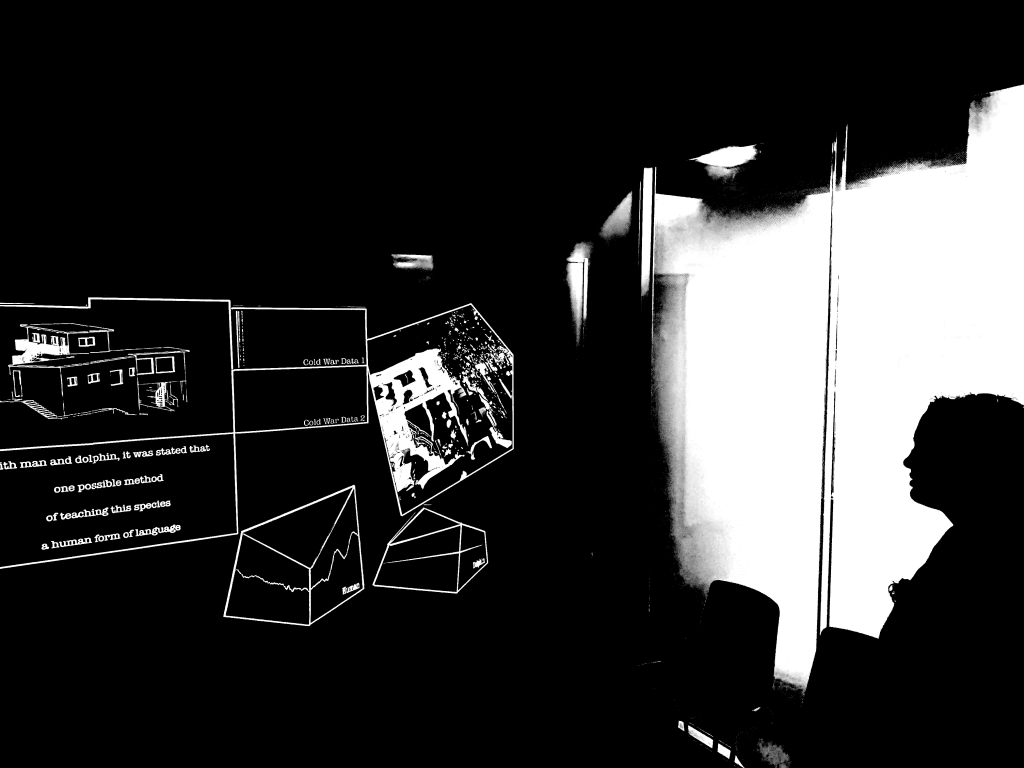
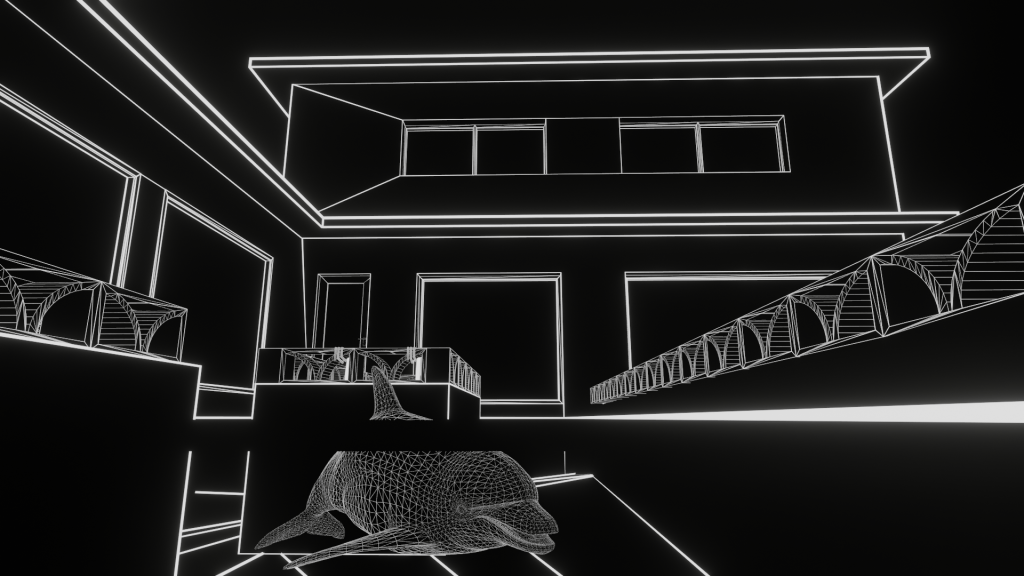
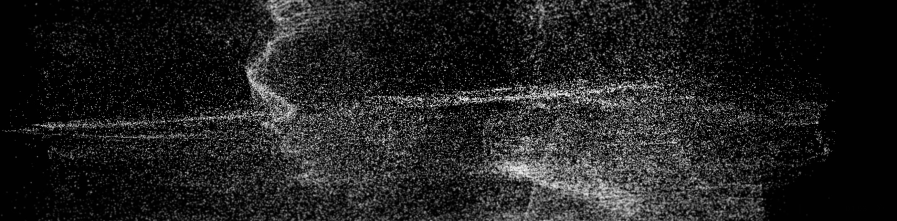
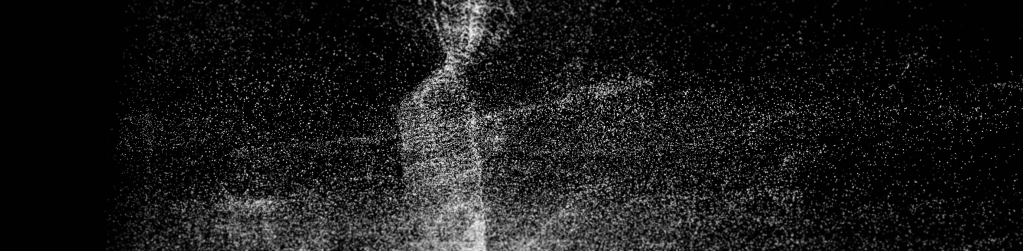
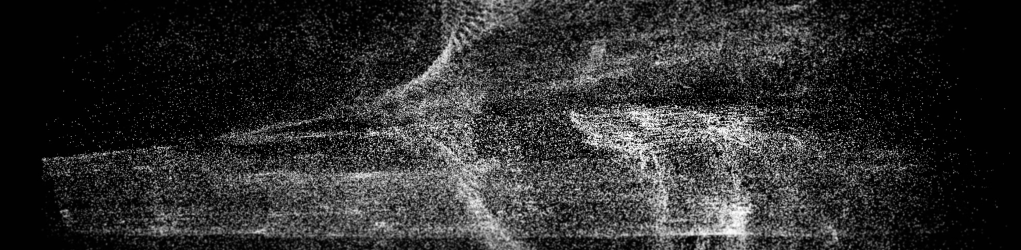
Images of The Dolphin House installation, including stills from the video component and photographs of audience interaction. Images: John Shiga.

One of Lilly’s key collaborators, who can be heard in several parts of installation, was Margaret Howe. Howe was a key figure in the development and implementation of a months-long experiment in which she would live with a dolphin 24-hours a day for several months to accelerate the “reprogramming” of dolphins to communicate with humans (a story that has been retold in a number of news stories in recent years as well as a BBC documentary). The redesigned lab, informally referred to as the “flooded house” or the “dolphin house,” was configured to facilitate prolonged human and dolphin cohabitation through, for example, rooms and a balcony flooded with 18 inches of water. It was also fitted with microphones suspended from the ceilings to record dolphin vocalizations as well as Plexiglas tanks in which dolphins would listen to recordings of human speech and be rewarded with fish for attempting to mimic the sounds of the humans. Just as the house was flooded to bring human and dolphin participants close together for weeks or even months at a time, so too the house was saturated with acoustic technologies for capturing and manipulating the vocal sounds of humans and dolphins.

Unintentionally, the recording system picked up various types of “noise”: elemental (e.g., water and wind), technological (e.g., tape hiss), and social (conversations that were not so much documenting interspecies communication research but expressing frustration with various aspects of working at the lab). These noises have been processed and arranged in installation to create a “sonic blueprint” of the CRI and its interior spaces. Like the blueprint for a building, which outlines the spaces for people and objects as well as the underlying infrastructure, the sound composition of the installation has several layers which in this case correspond to human-dolphin communication research practices and the military-scientific apparatus that supported it. The sound composition pieces together parts of the CRI’s archival recordings into separate streams of sound for humans and dolphins which periodically interact. Additionally, the sound composition situates the CRI’s work within the broader military-scientific infrastructure of remote sensing. The installations other sonic layers were produced by “following the money,” that is, by retracing the CRI’s funding agencies and their activities around the world during the 1960s. In this way, the installation foregrounds what was so often left out of contemporaneous popular media and scientific discourse about Lilly’s work: the fact that the CRI was, from a military perspective, one node among many in a planet-spanning network of command, control and communication.

The composition is organized into seven parts, each of which focuses on a specific room or facility in the CRI and the sonic environment created by the interaction of the building with the technological and natural environments in which it was embedded as well as the human and nonhuman actors who inhabited the various spaces of the lab. Here is an excerpt from “Dolphin Elevator” – a segment of the composition set in the facility’s sea pool:

Featuring the voice of one of the CRI researchers (possibly its former director, Gregory Bateson, though this isn’t indicated in the archives’ note for this audio tape), the sound composition turns to a seemingly tranquil moment in the archival recordings. In keeping with the practice of the CRI, the researcher describes what he is seeing and hearing as a way of providing an auditory version of a lab report or field notes. In this instance, one of dolphins is being moved onto the elevator from the sea pool (used mainly for visual observation through a large window at the base of it) to the upstairs pool (used mainly for audio recording since it was shielded to some degree from the wind and sounds of the ocean). Texturally, the composition gestures to the openness and optimism of the researchers in the early years of the project. At the same time, the high frequency “beeps” are sonifications of the U.S. military’s Corona spy satellite program. Each of the ten beeps (the sequence repeats in a loop) represents approximately 100 images (the Corona satellite captured 930 images in 24 hours on November 19, 1964). The pitch represents the latitude of the area captured in each photograph and the beep’s position in the stereo field represents its longitude. The locations are in the following order (using 1965 names): Soviet Union (northeast), Tibet, China, Kazakh SSR, Soviet Union (Moscow), Republic of Congo, Cuba, Haiti, Atlantic Ocean approximately 300 miles from San Francisco, Soviet Union (northeast). 

Acknowledgments 

I am very grateful to Philip Bailey and the Estate of John C. Lilly for giving me permission to use the Communication Research Institute’s audio recordings in this installation. I would also like to thank the staff of the Department of Special Collections and University Archives at Stanford University for their invaluable advice and support.


The River as Data: Sonifying Smart Governance

The River as Data transforms a year of high-resolution environmental data from Toronto’s Don River into a multi-channel audiovisual composition. Drawing from open datasets and solar activity records, I developed a custom Python tool to map water levels, solar radiation, and temperature fluctuations to sound and image. The project is rooted in a critical engagement with “smart governance”—emerging regimes of urban environmental management that recode waterways as productive data infrastructures.

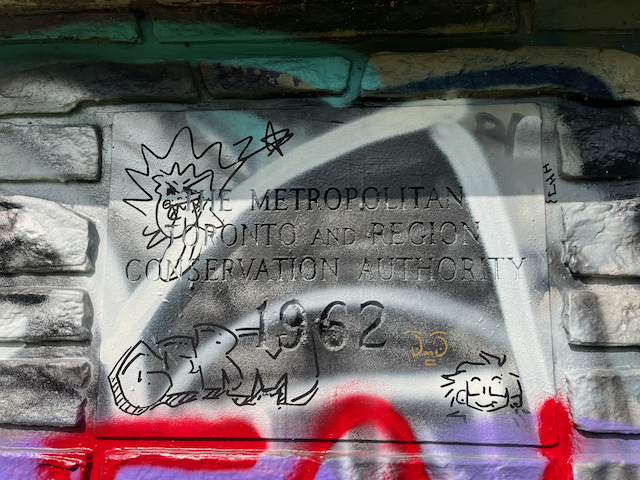
Using hundreds of thousands of data points measuring wind, water level, temperature and precipitation from January 1 to December 31, 2023 collected by the Toronto Regional Conservation Authority (TRCA), this project turns water and weather conditions of the Don River in Toronto into a soundscape.

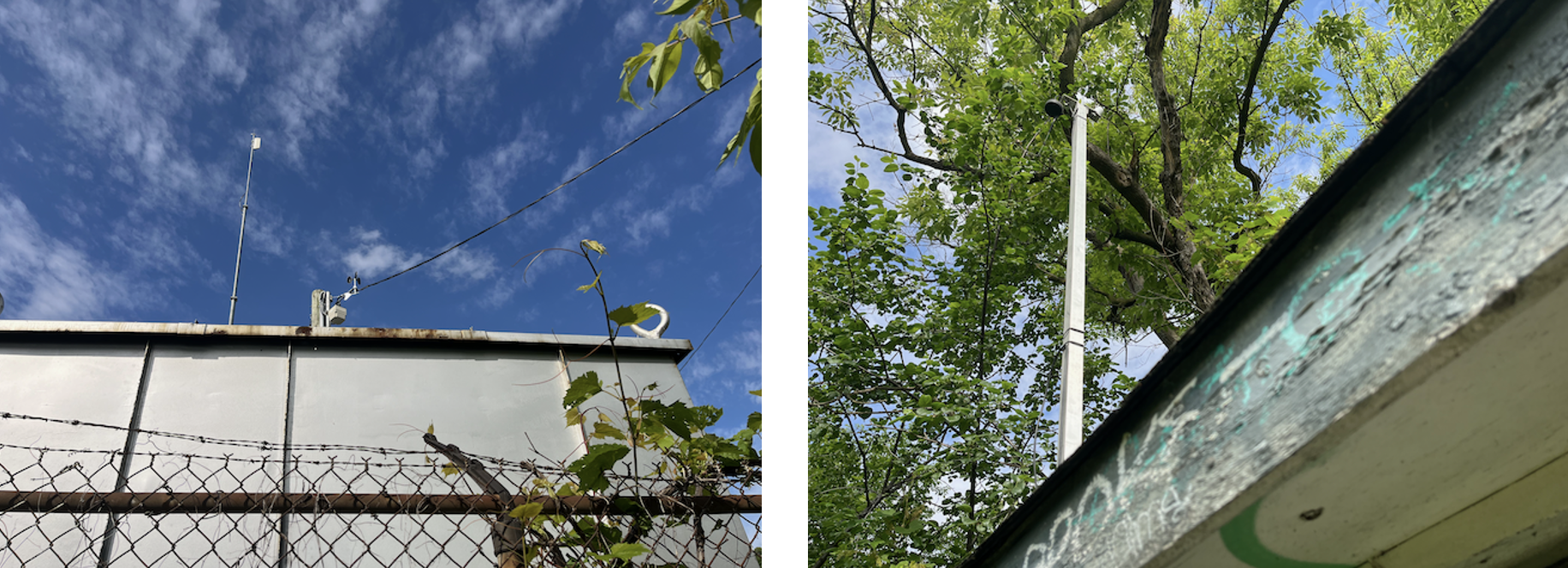
Much of this data comes from TRCA’s Station 19 and several other gauging stations along the rivers in the Toronto area which measure water level, flow, temperature and precipitation at regular intervals. This project combines a year’s worth of this data about the Don River with solar activity data such as solar flares and Coronal Mass Ejections into a 24-minute soundscape. Each data stream has its own voice which interacts with the others. Some of these sounds, such as the sounds trigged by solar activity, are synthesized while others, such as wind, rain, snow and underwater currents, were recorded along the Don River.

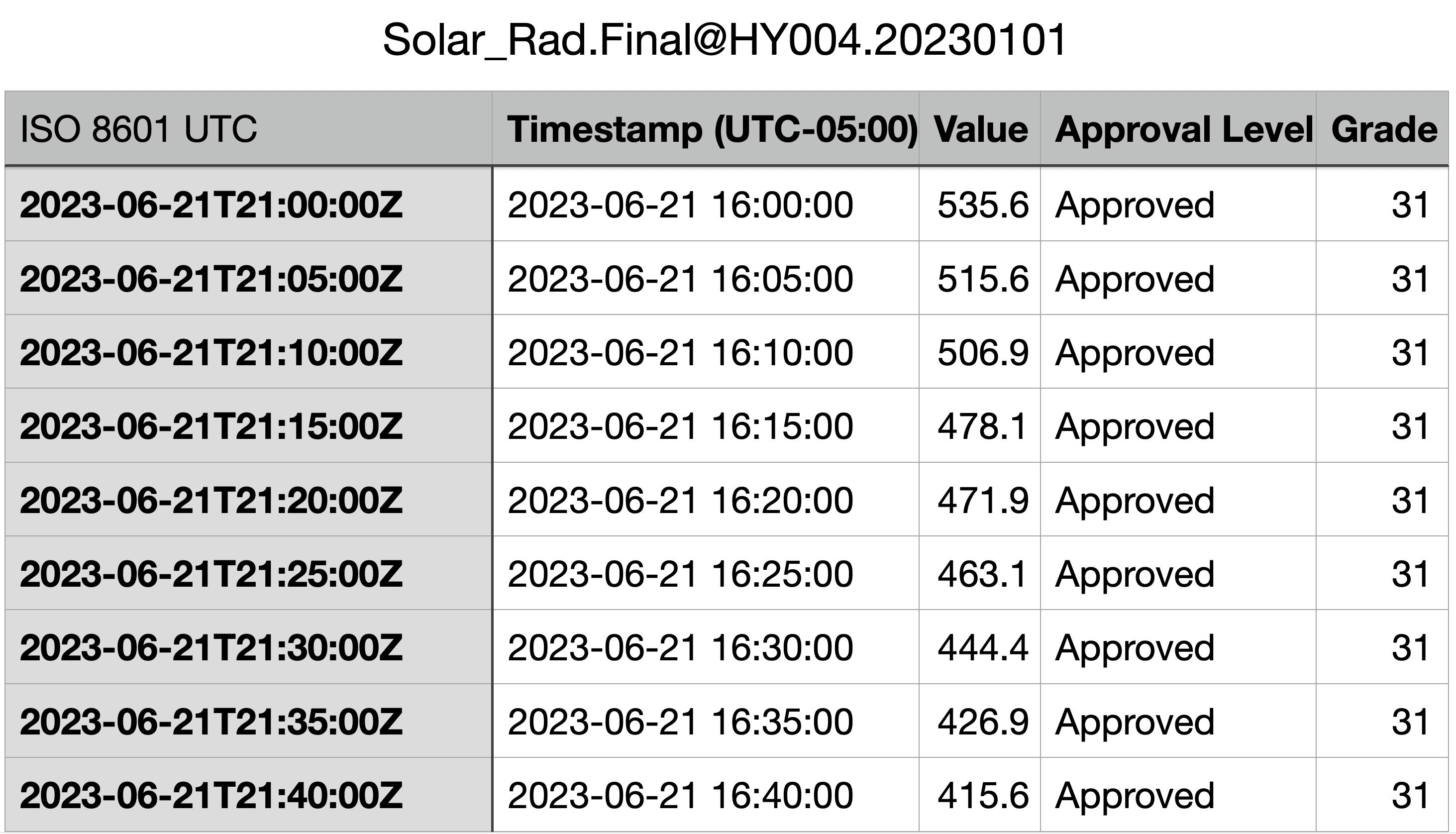
The first step in creating this soundscape was to access the data. I was able to obtain measurements of water level, water temperature, water flow, precipitation and solar radiation data from the TRCA’s Open Data Portal. What makes the TRCA data so useful for this project is that is the sensor readings are captured very frequently. For certain types of data, such as solar radiation, the sensor readings are captured every 5 minutes, in others cases, such as water temperature, they are captured every 15 minutes. This is very high resolution data – much higher than one would normally find in public databases of historical weather. To give you an idea of the resolution, there were 34,969 measurements of water temperature and 123,792 of solar radiation covering the period January 1 – December 31, 2023. Below is a sample of the solar radiation data from the TRCA Open Data Portal (value = watts per square metre) from 12:00 – 12:40 pm on June 21st, 2023. 

Since the TRCA’s data collection included solar radiation data, I was interested in exploring how other kinds of solar activity might be integrated into the composition as a way of connecting micro-level variations in water, wind, etc. at a specific site on the Don River to macro-level fluctuations of energy – not only on a planetary level but also on the heliospheric level (i.e., systems influenced by the sun). To do this, I integrated data from NASA’s First Fermi-LAT Solar Flare Catalog (FLSF) and the SEEDS catalogue of Coronal Mass Ejections and filtered the list to focus on events that had a high enough magnitude to affect GPS and other navigations systems as well as radio communications. These datasets were filtered so that they align with the 2023 data I obtained from the TRCA.

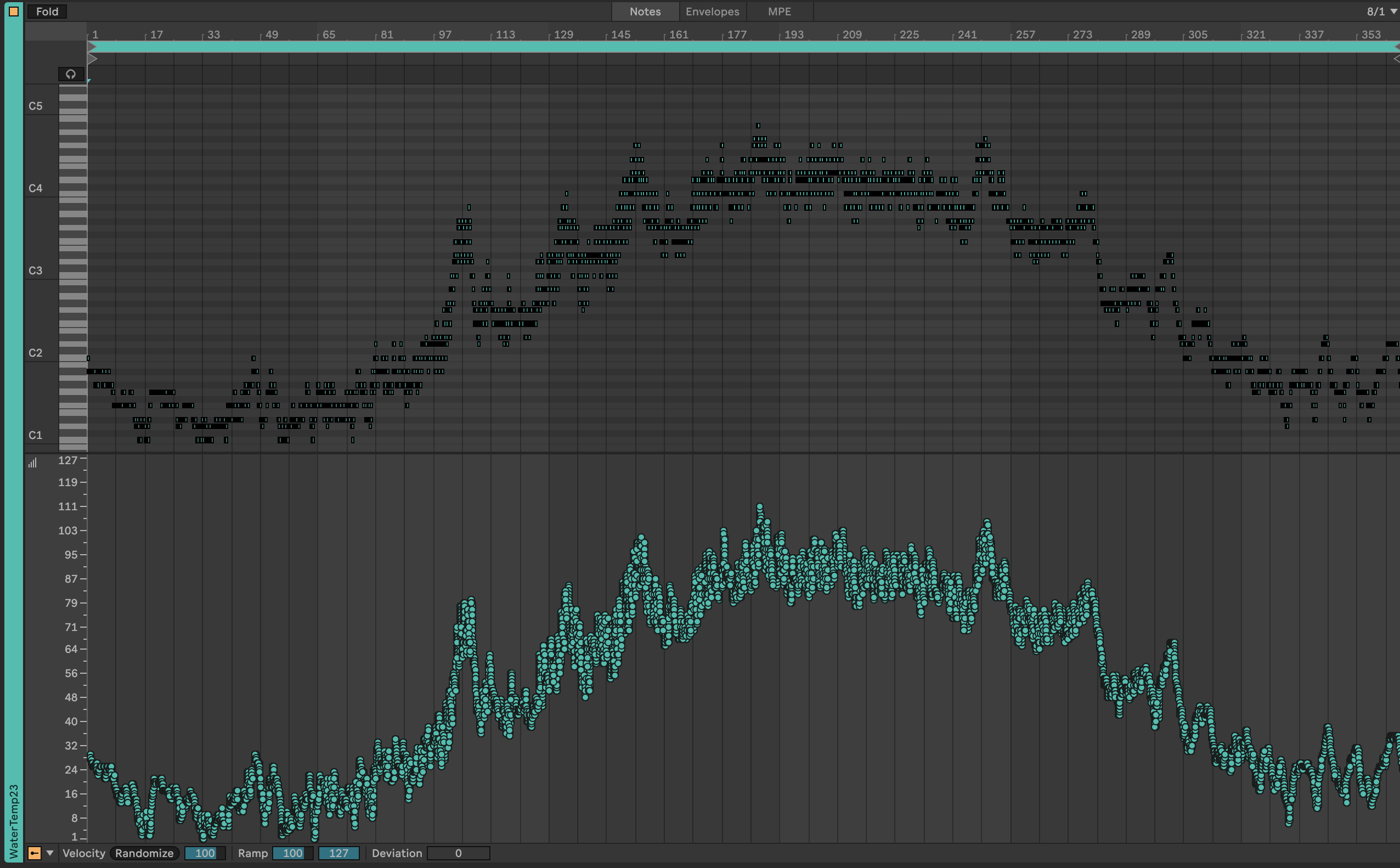
The main tool for translating the data into sound was MIDITime, which is a Python script that can convert timestamped data into musical notes. The MIDI notes can then be played on any synthesizer or DAW (Digital Audio Workstation). This process was carried out for all of the datasets I collected, each of which was then imported into a DAW. Below is a screen capture from the DAW showing the 34,969 notes generated by MIDITime. Each note’s pitch and velocity (loudness) value is determined by a measurement of water temperature of the Don River in 2023. The pitch of each note is shown in the top half (in rows corresponding to four octaves on a piano keyboard). MIDITime scales the minimum and maximum values of the data set (0.4 – 25.1 degrees Celsius) to the note range I chose for this clip (in this case, four octaves or 48 notes). The loudness of each note is shown at in the bottom half, with values ranging from 0 – 127 (again, these are scaled up from the original range of 0.4 – 25.1 degrees Celsius). Since the data starts on January 1 and ends on December 31, it was not surprising to see that the notes at the beginning and the end of the clip are low in pitch and volume since these notes correspond to measurements of water temperature in the winter months, and notes in the middle of the clip (corresponding to June, July and August) are higher in pitch and volume.

In some cases, such as TRCA measurements of solar radiation throughout the year, I decided to use a synthesized sound as the instrument triggered by the MIDI notes. But most of the sounds that can be heard in the composition were not synthesized. The wind, water, snow and rain sounds were all recorded through a Zoom mic and Audiomoth monitoring devices near the location of Station 19 on the Don River and are triggered by MIDI notes and their associated parameters (e.g., the velocity and loudness of each note is determined by the value of the sensor reading). In this way, the recorded sounds (or short clips of them) were imported into the DAW and were triggered by the data points indicating increases or decreases in, for example, wind speed or water level. 

In the clip below, the sound in the blue track is being triggered by solar radiation levels when the water temperature is below 20 degrees. When the water temperature rises to 20 degrees and above (mid-June in 2023), the instrument triggered by solar radiation changes. In this case, the pink track also contains coronal mass ejections (CMEs) from the sun, the magnetic fields of which can generate geomagnetic storms that interfere with technical infrastructure such as satellites, radio transmissions, power grids, undersea cables and above and below ground pipelines. In the summer when water temperature is above 20 degrees, notes representing the timing and intensity of CMEs act as the “gate” that lets through the sounds linked to solar radiation. In other parts of the composition, CMEs are representing by a buzzing sound, and solar flares trigger a low pitched hum.

With the tempo set to 60 beats per minute and the amount of time to represent a year set to 1,460 seconds, I was able to make each day correspond to a bar of music in 4/4 time. This helped me keep track of where I was in terms of days of the year as I was composing the piece in the DAW. A year of time in the data set corresponds to 1,460 seconds (24 minutes and 20 seconds) in the composition, which means the MIDI files were 24 minutes and 20 seconds long. 

Becoming Radiogenic: Nuclear Violence, Contamination and Epistemic Agency

This research-creation project consists of a series of audiovisual compositions, which work together to trace the discursive and material strategies of nuclear imperial power in Canada, the United States and Japan. The guiding question of this work concerns the agency of “radiogenic communities,” which have often been regarded as social effects of nuclear colonialism and tend to be defined as communities affected and altered by radioactive contamination and other forms of nuclear violence. How might our understanding of radiogenic community change if we shift the focus to the agency of these communities to define themselves through their ongoing struggle to represent their experience of and struggles against nuclear violence? How can radiogenic community be redefined so that it isn’t reduced to a condition of being affected by and subject to nuclear domination?

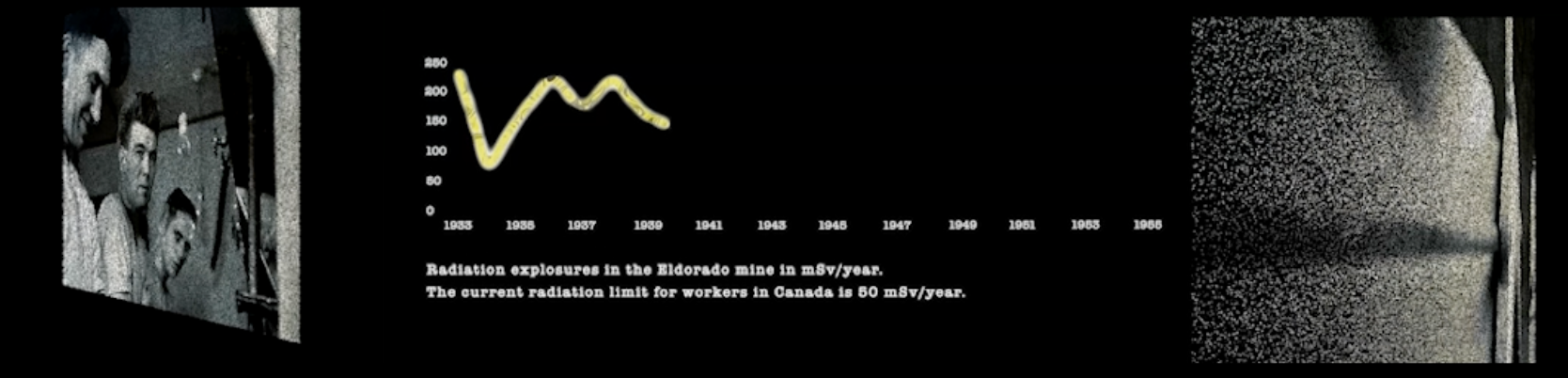
My approach for exploring these questions through audiovisual composition is to re-center representations of nuclear violence around the epistemic agency of those subjected to it. I focus on two radiogenic communities: the Dene people, whose territory encompassed the Eldorado mine—where uranium was extracted for nuclear weapons production during the Second World War—and the hibakusha, survivors of the U.S. nuclear attacks on Japan. The composition combines archival materials related to nuclear imperialism in Canada with visualizations and sonifications of nuclear data collected by radiogenic communities and data visualizations.
In response to dominant representational practices and their framing of the nuclear weapons’ effects as indices of the new scale of imperial power, the composition amplifies the practices through which the Dene and the hibakusha articulated their relationship to places which were targeted for environmental ruin and socio-cultural dislocation by the racist, colonialist, militarist and capitalist structures of nuclear imperialism.

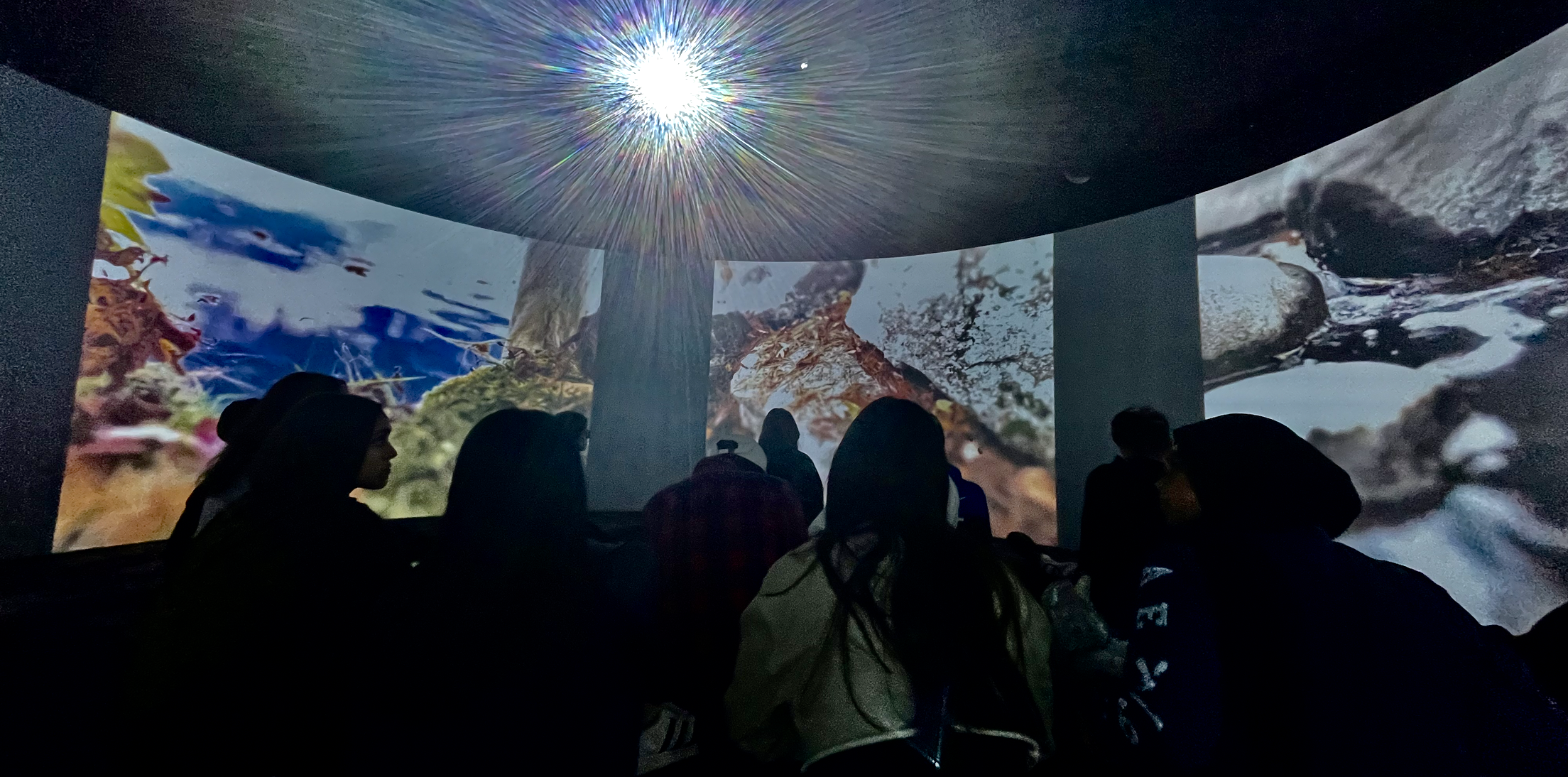
The composition was designed for the 360° screen in the Immersion Studio at Toronto Metropolitan University and was integrated into CMN 210 Text, Image, Sound – an undergraduate course I teach in the School of Professional Communication. The composition invites students and other listeners/viewers to consider “radiogenic community” as more than just a response to nuclear violence or a phenomenon that arises by virtue of a community’s exposure to radiation. Rather, this form of community emerges in the cases of the Dene and the hibakusha through repeated and determined efforts to reaffirm the existence and value of eco-social relations which bind together specific communities and places. 

Audible Oceans: Media Archeology of the Sound Surveillance System (SOSUS)

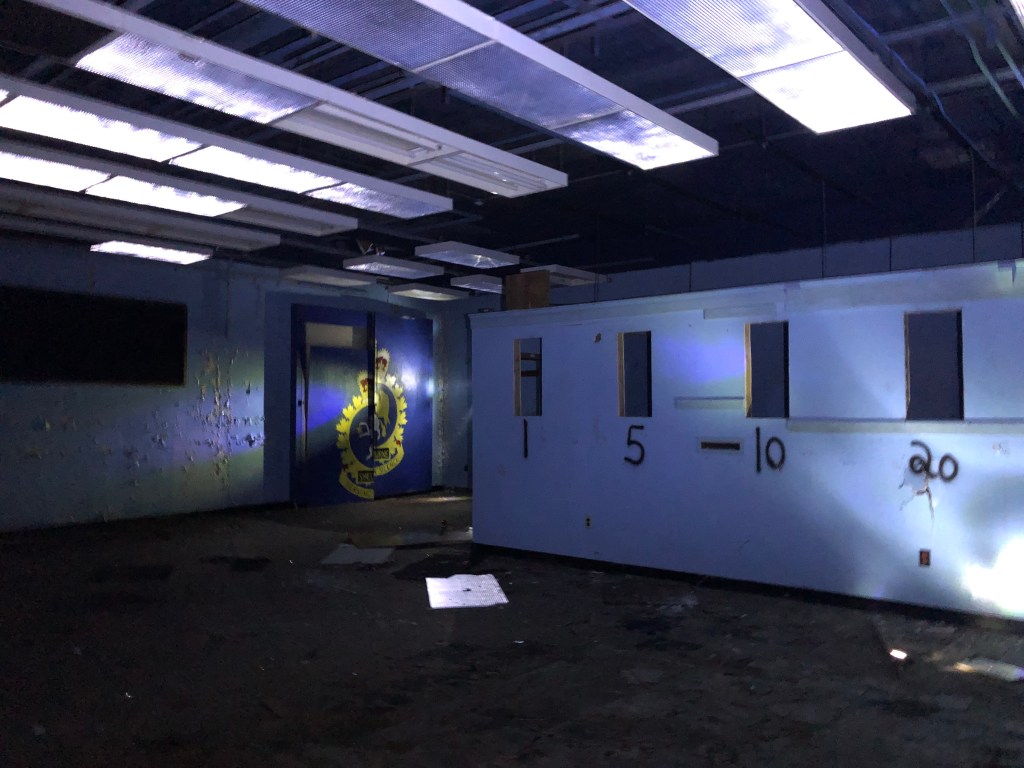
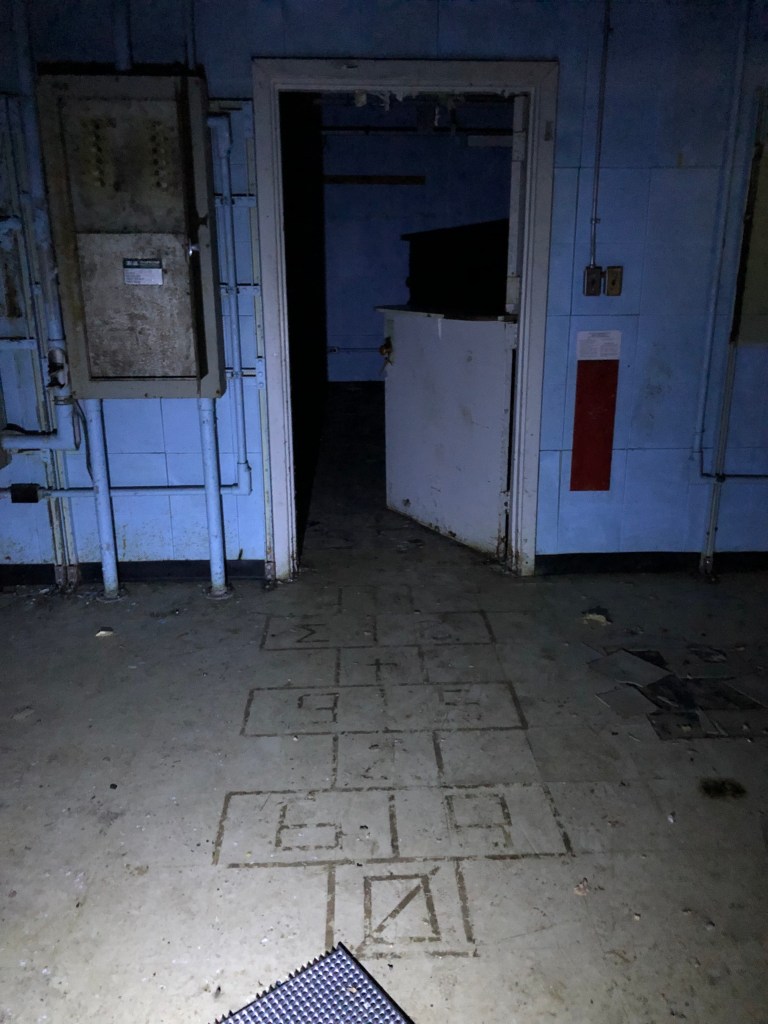
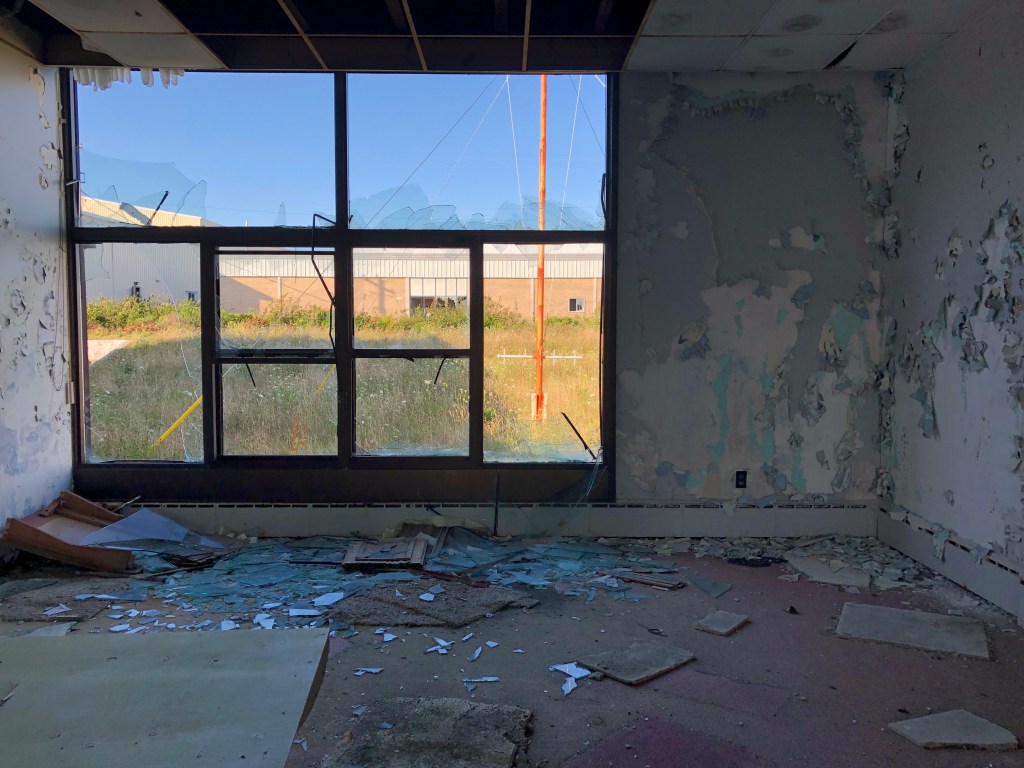
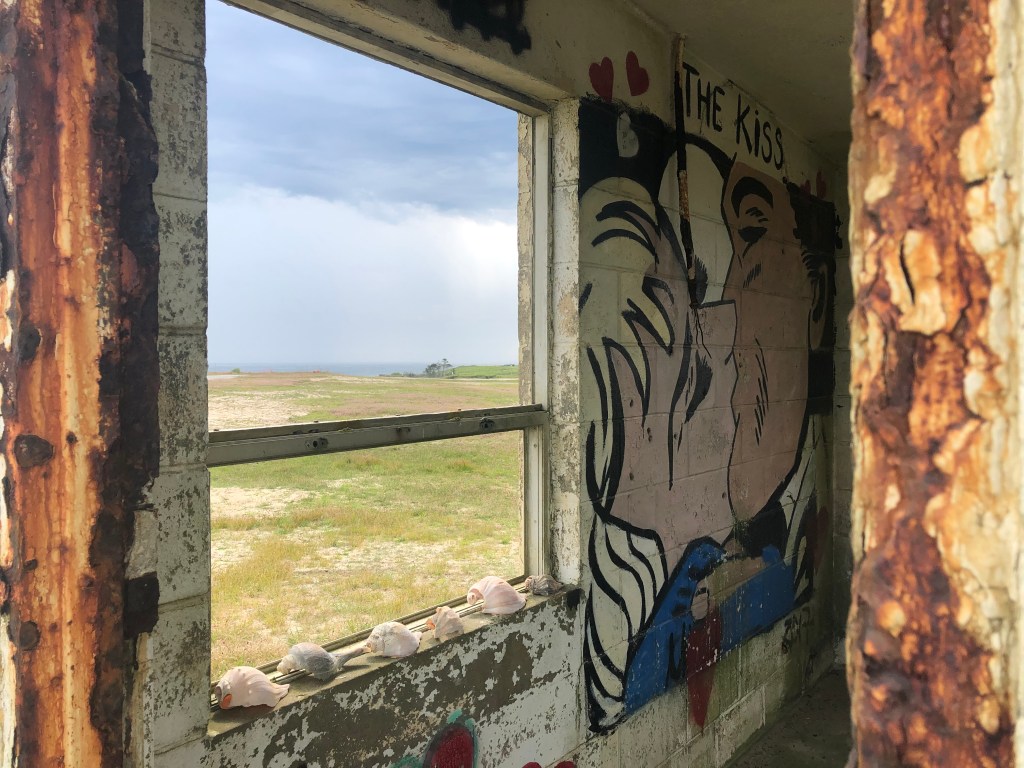
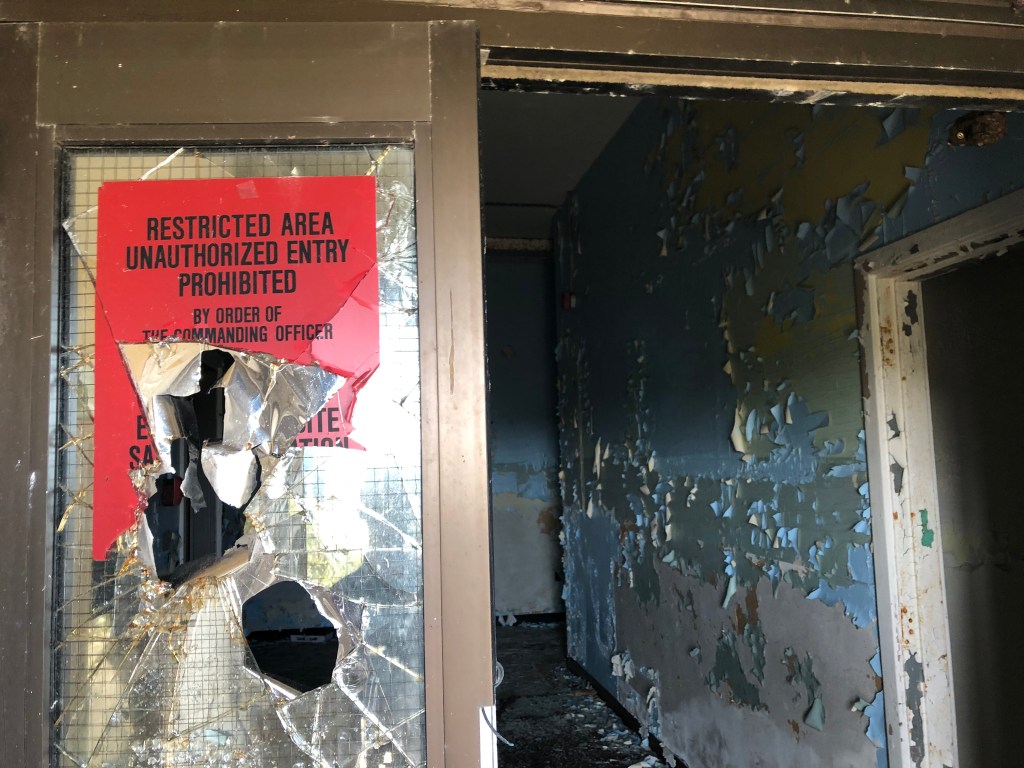
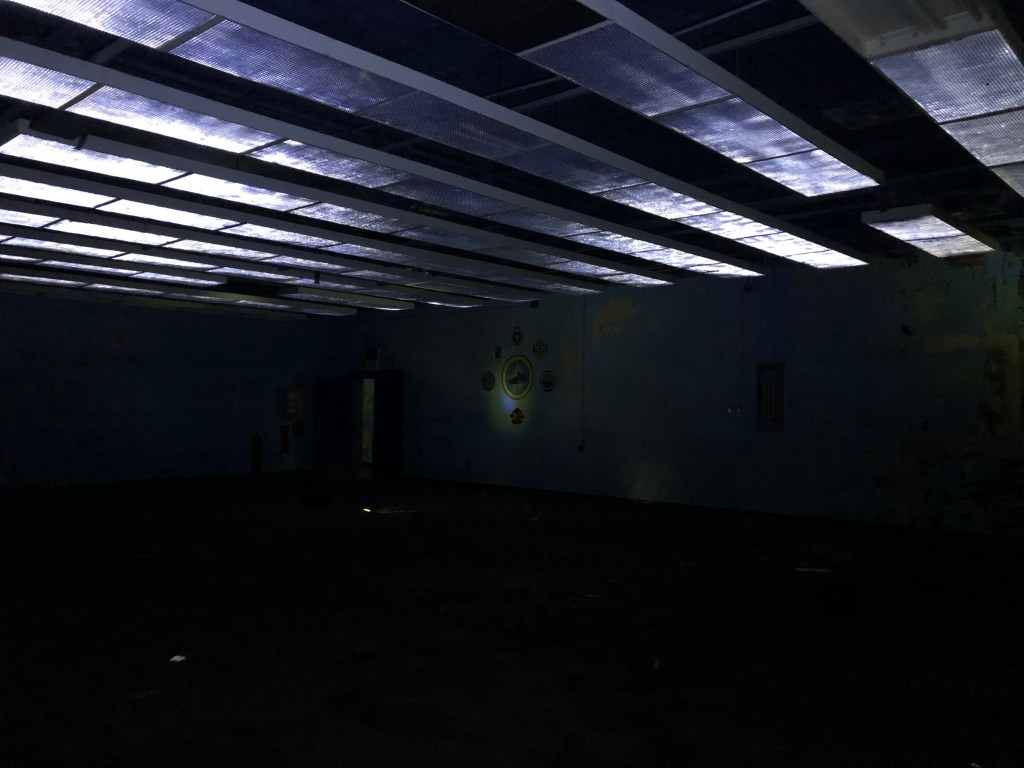
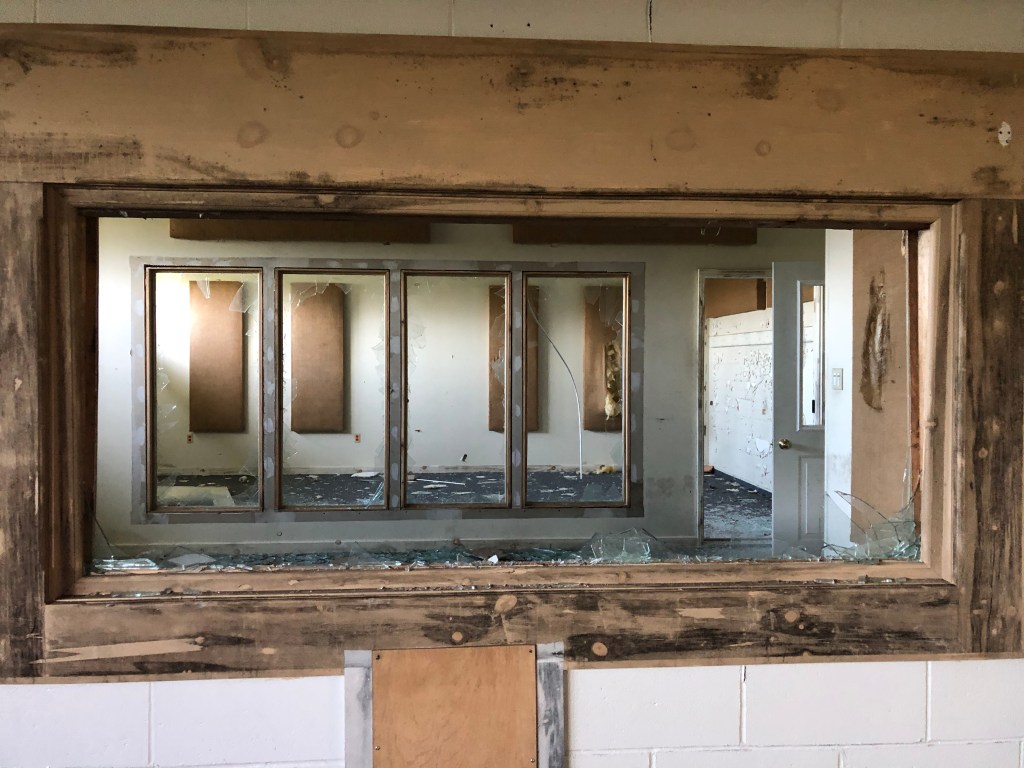
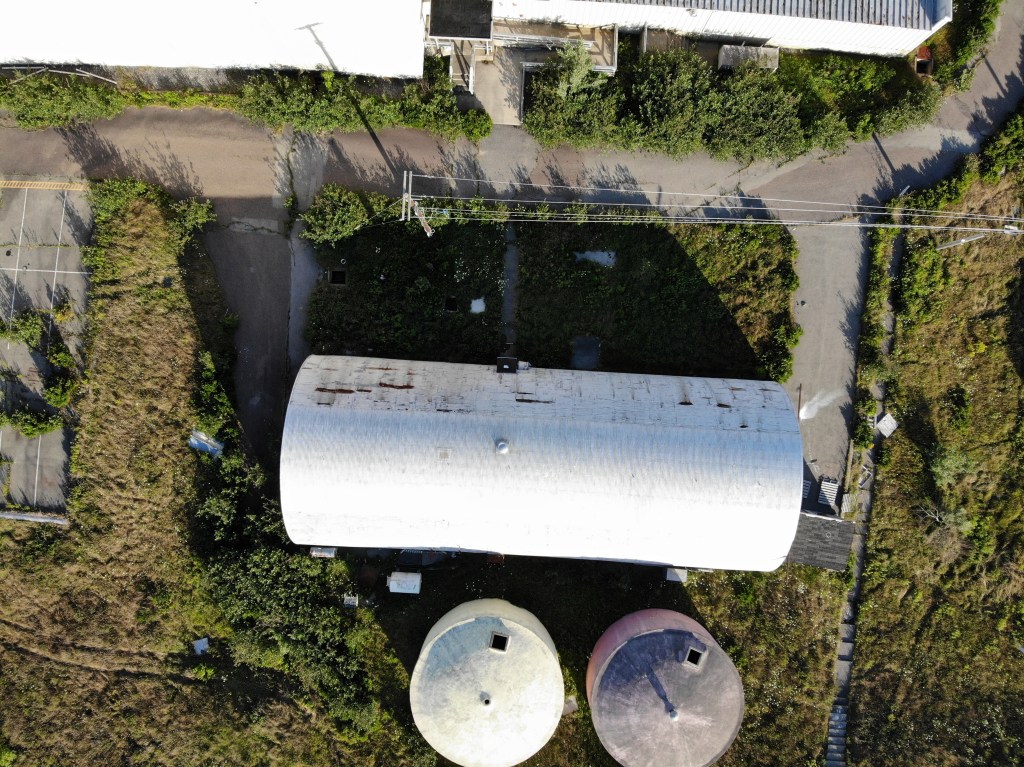
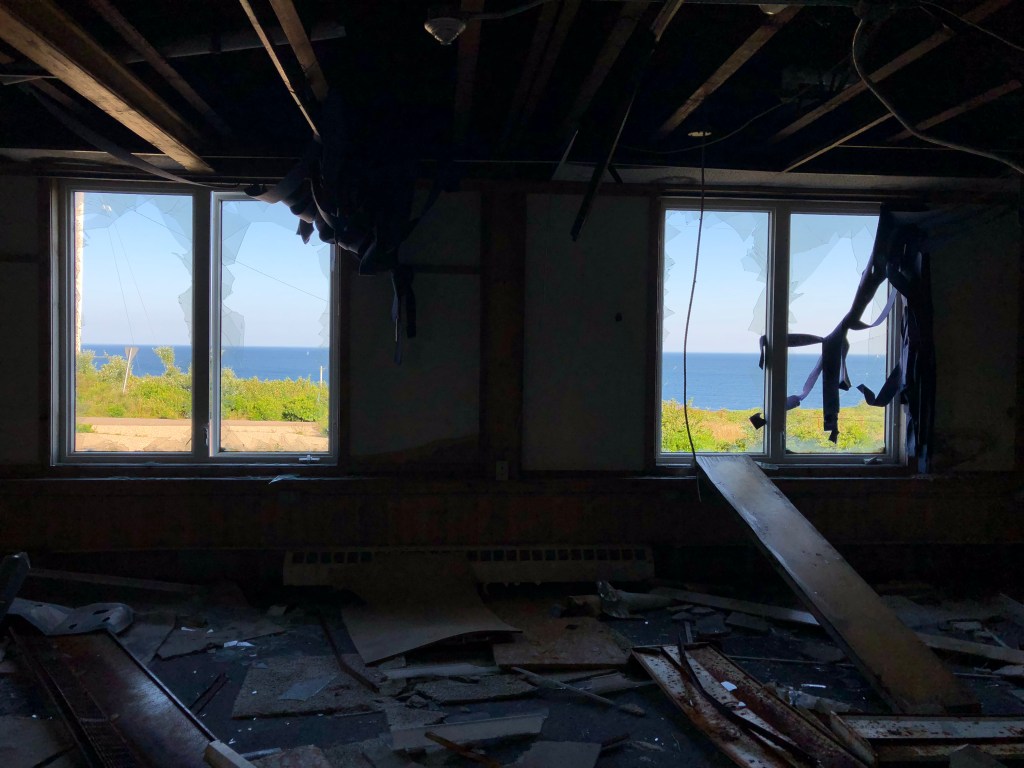
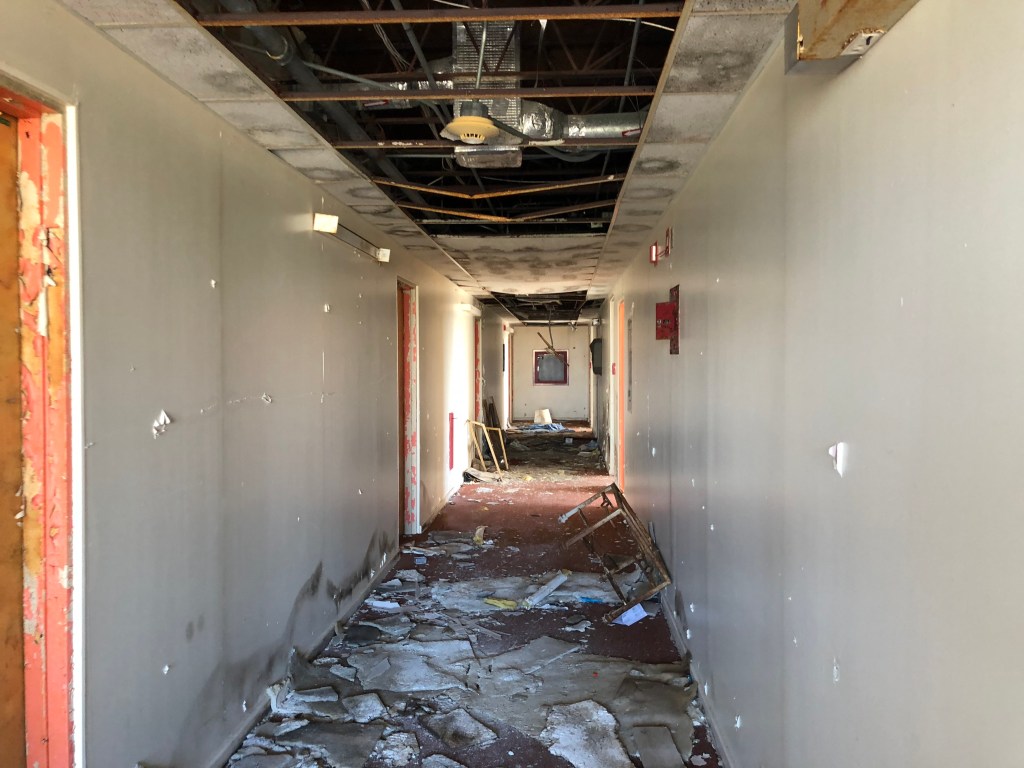
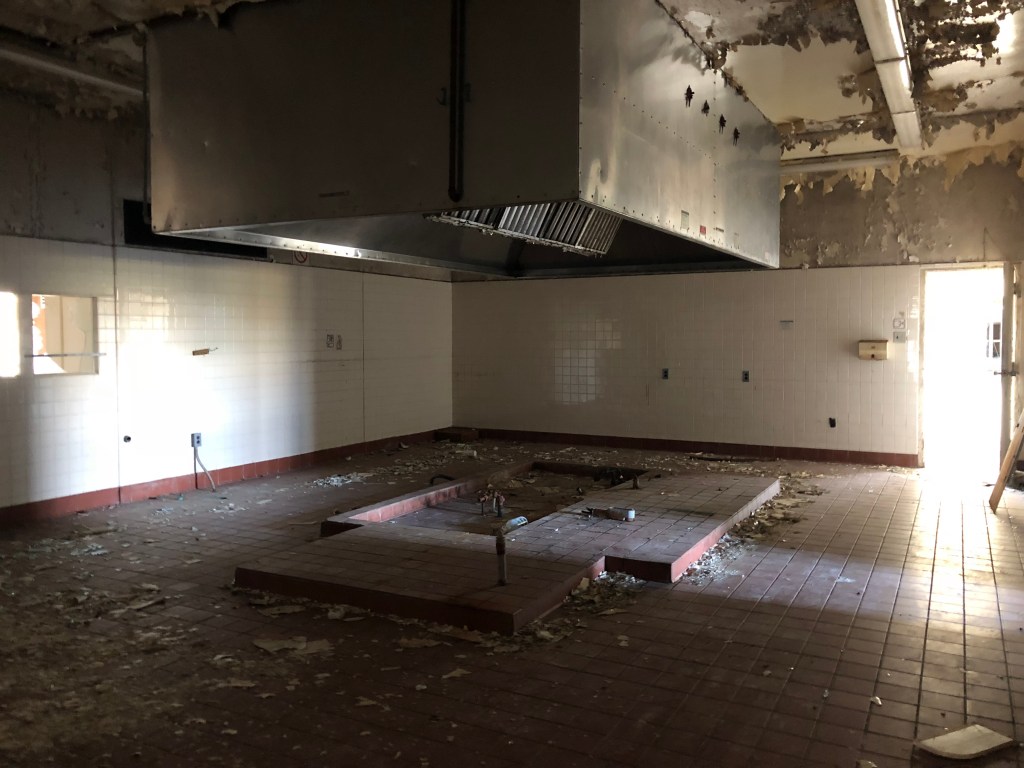
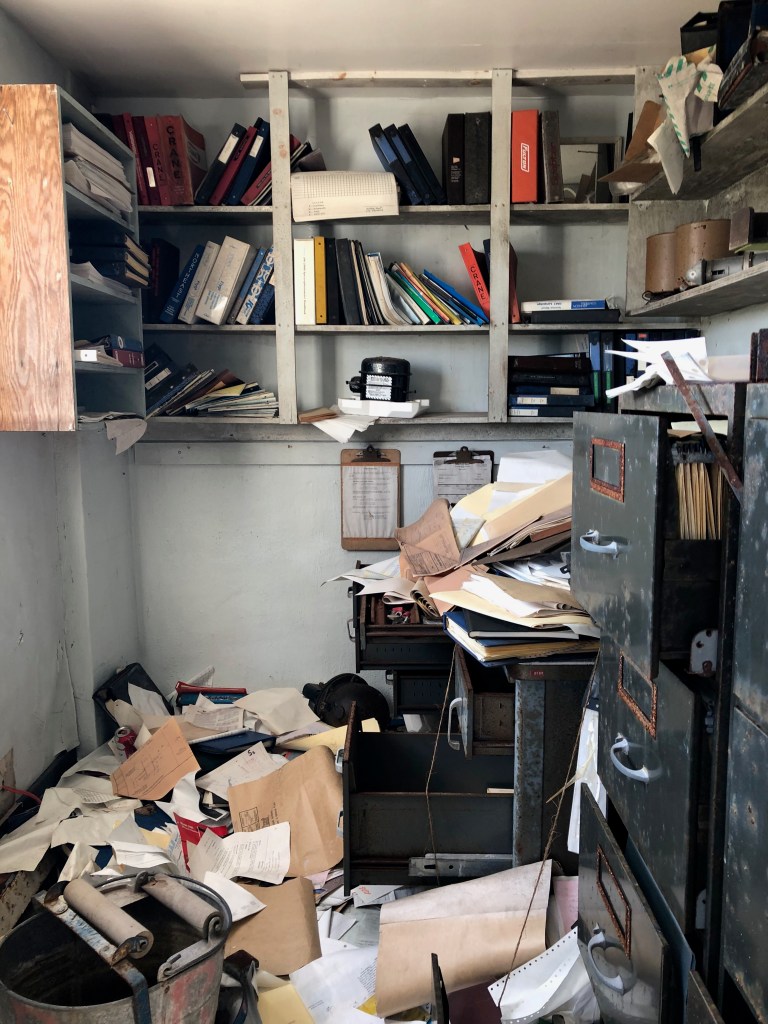
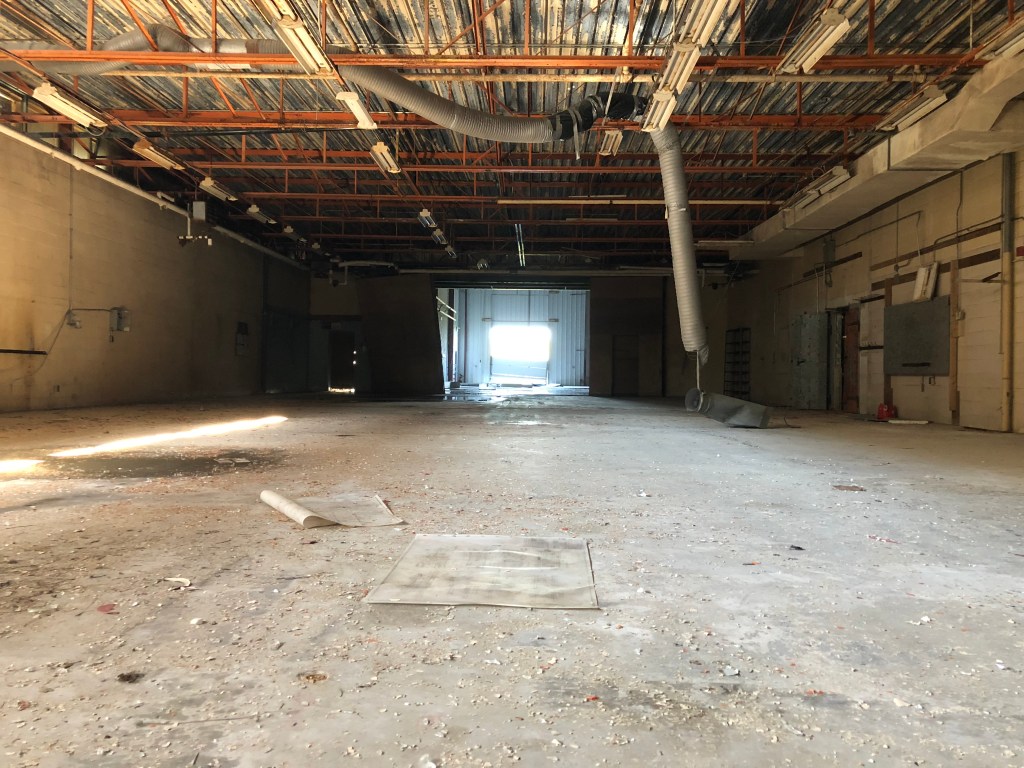
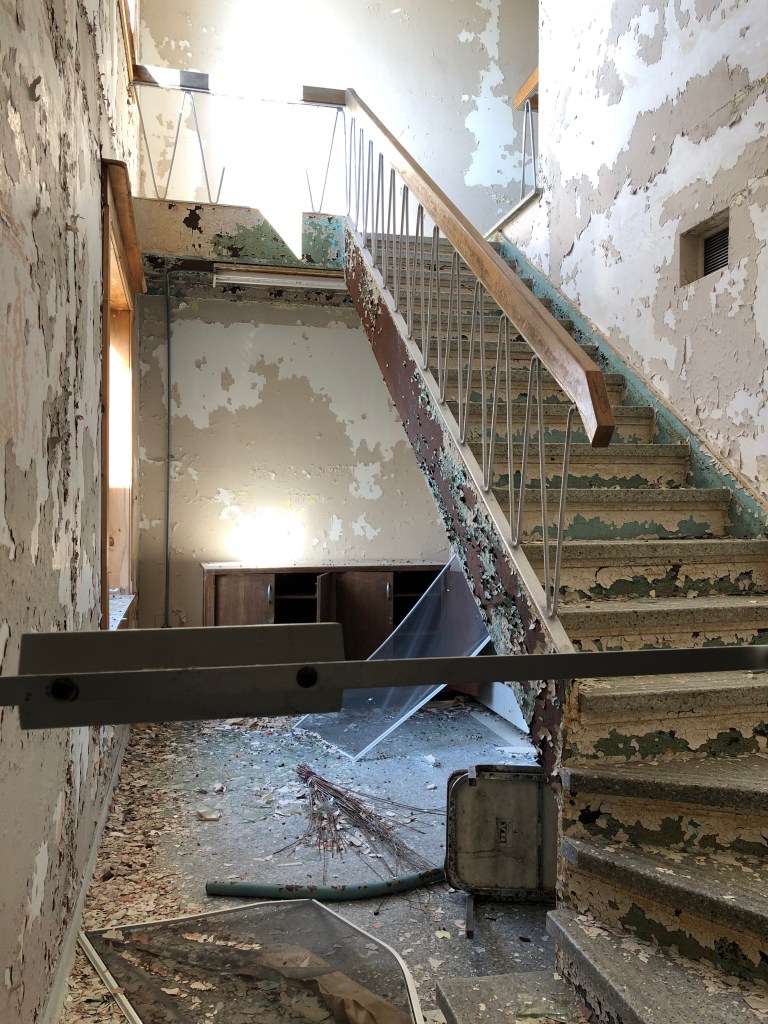
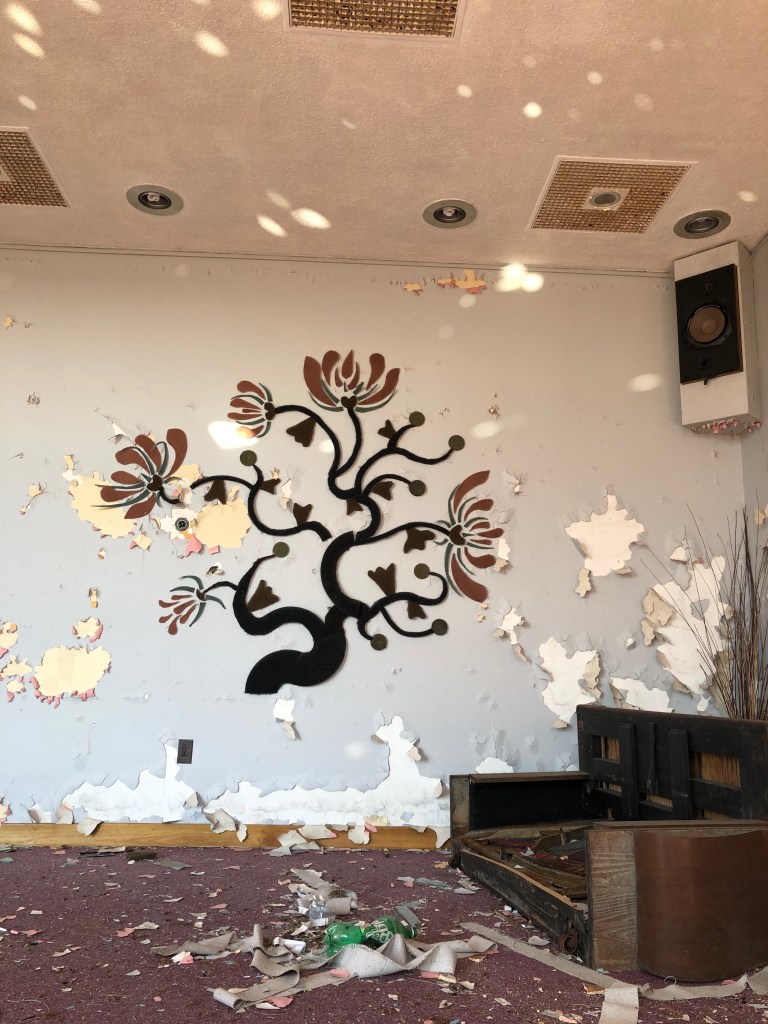
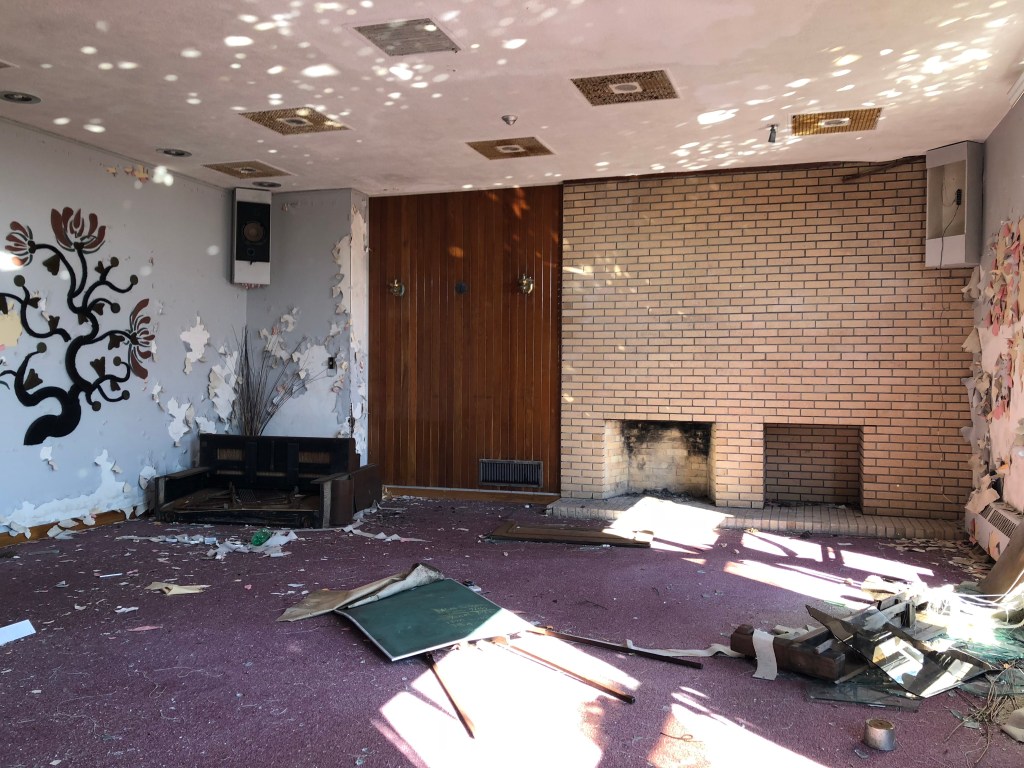
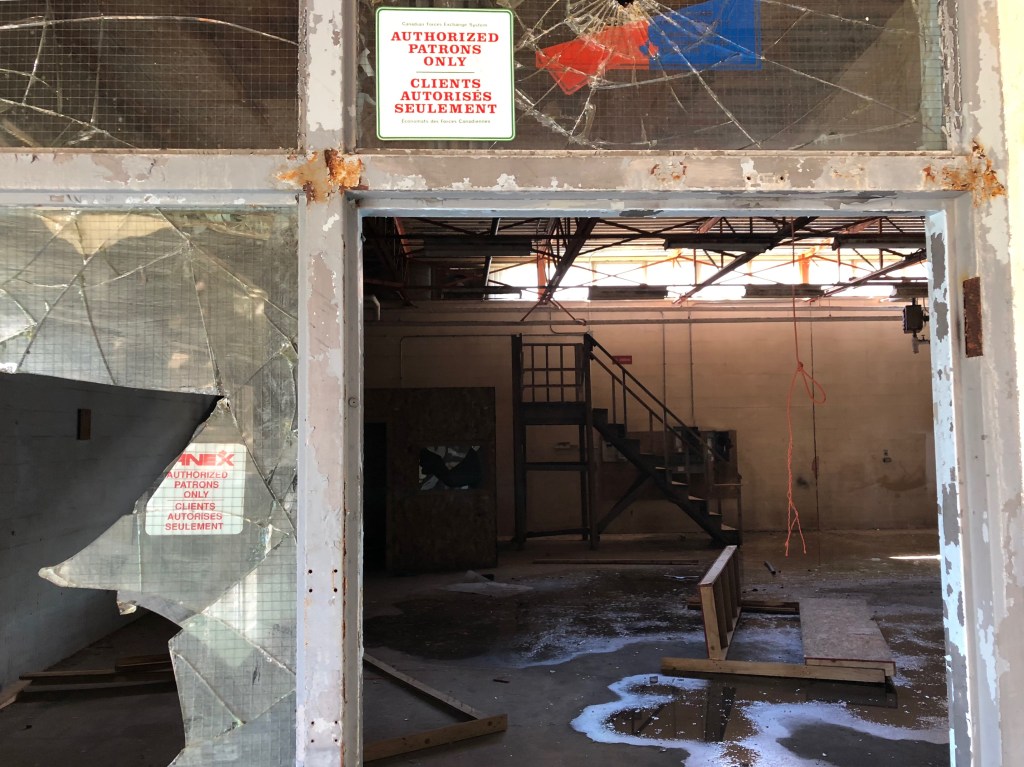
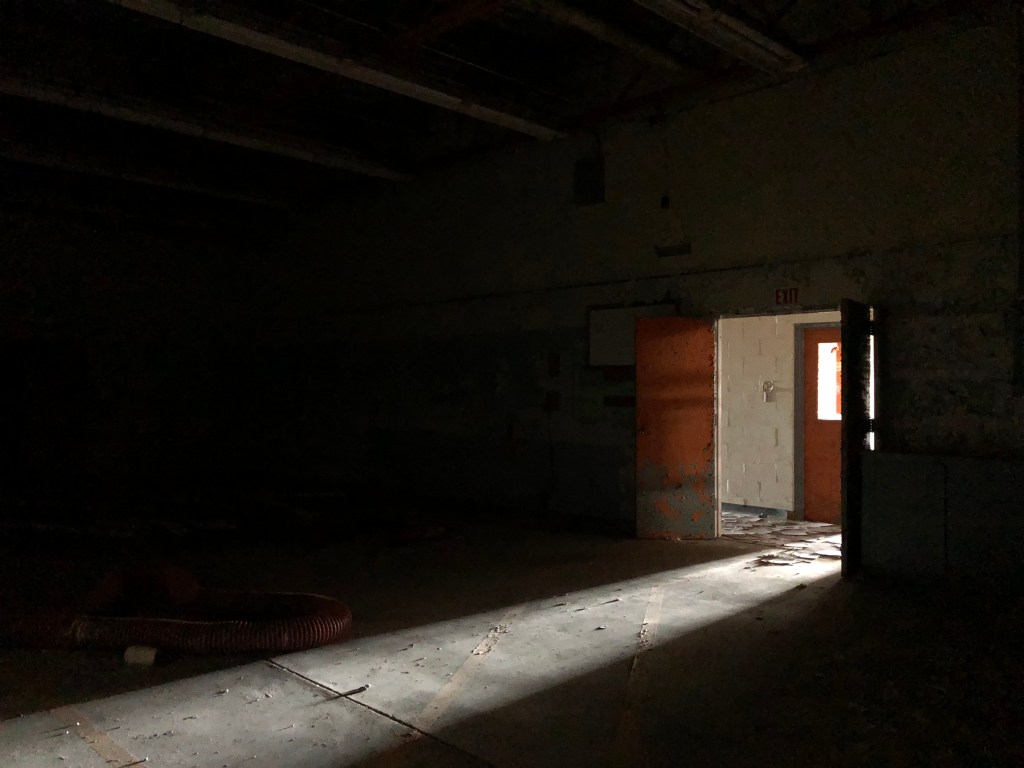
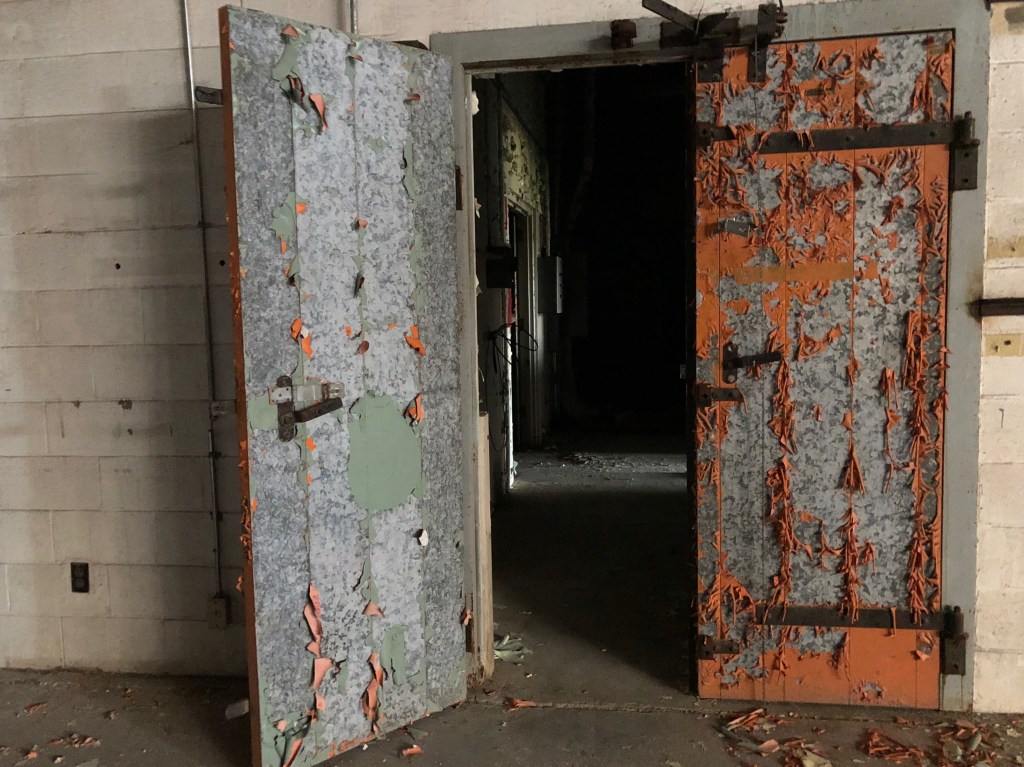
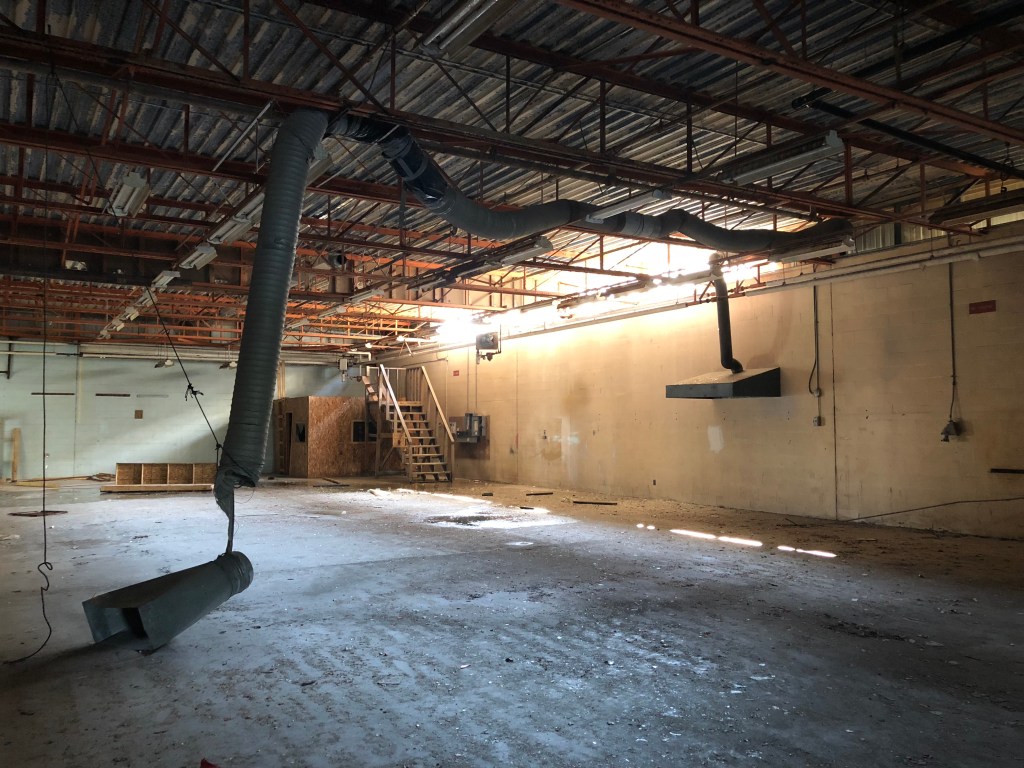
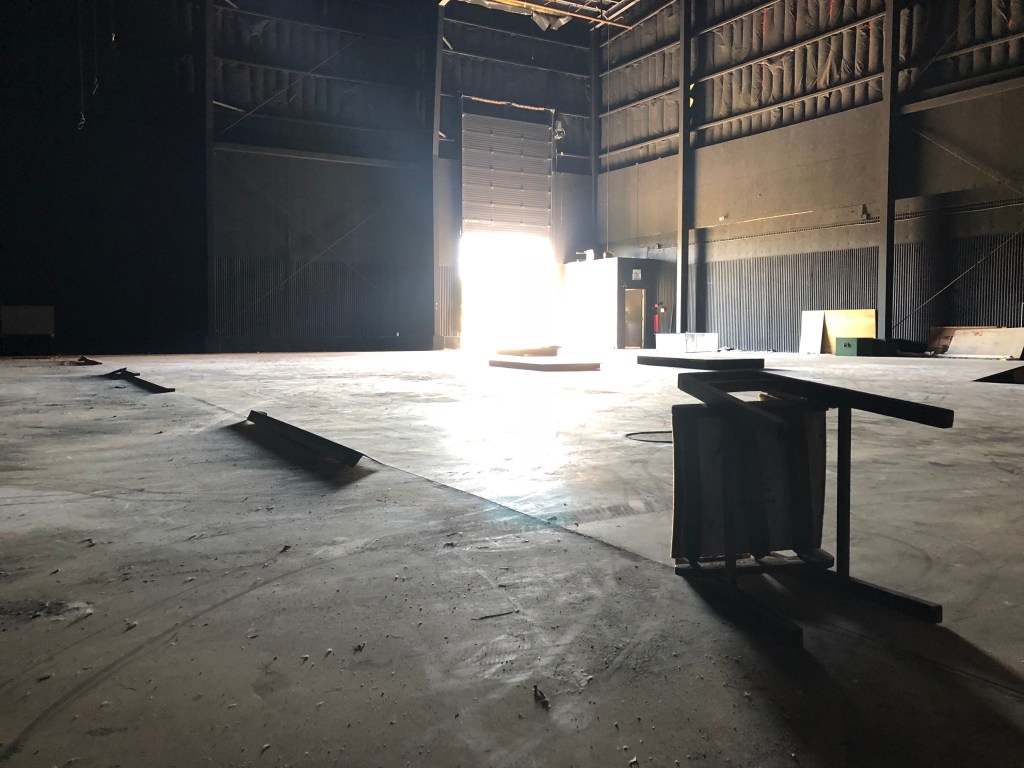
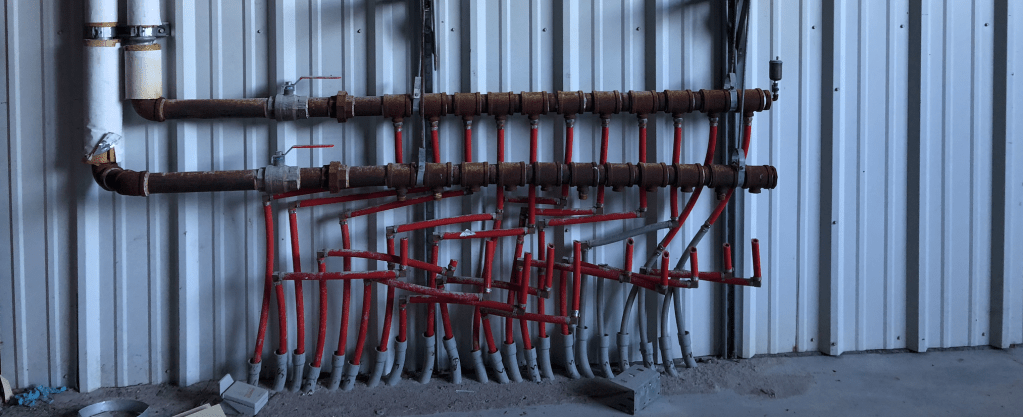
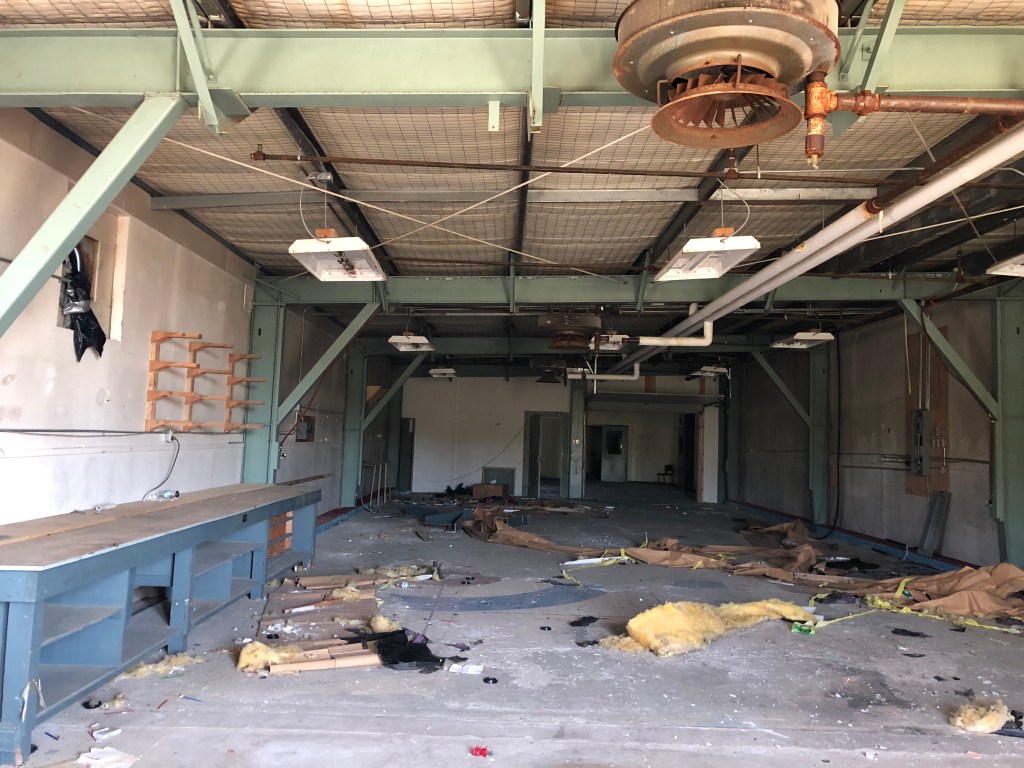
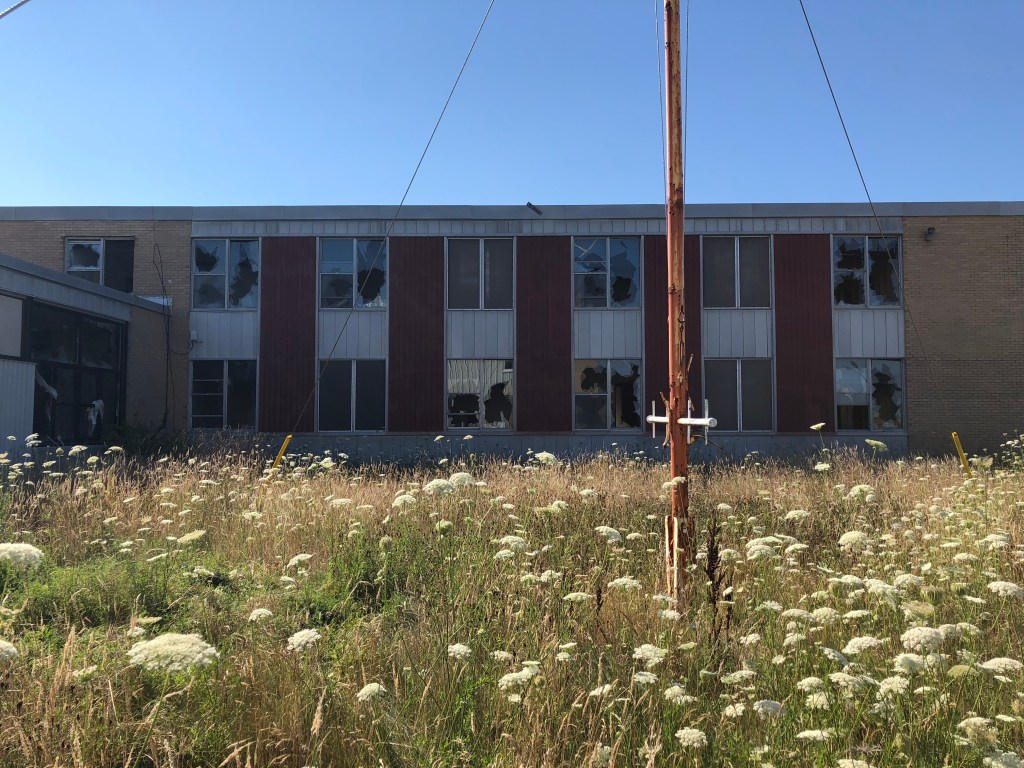
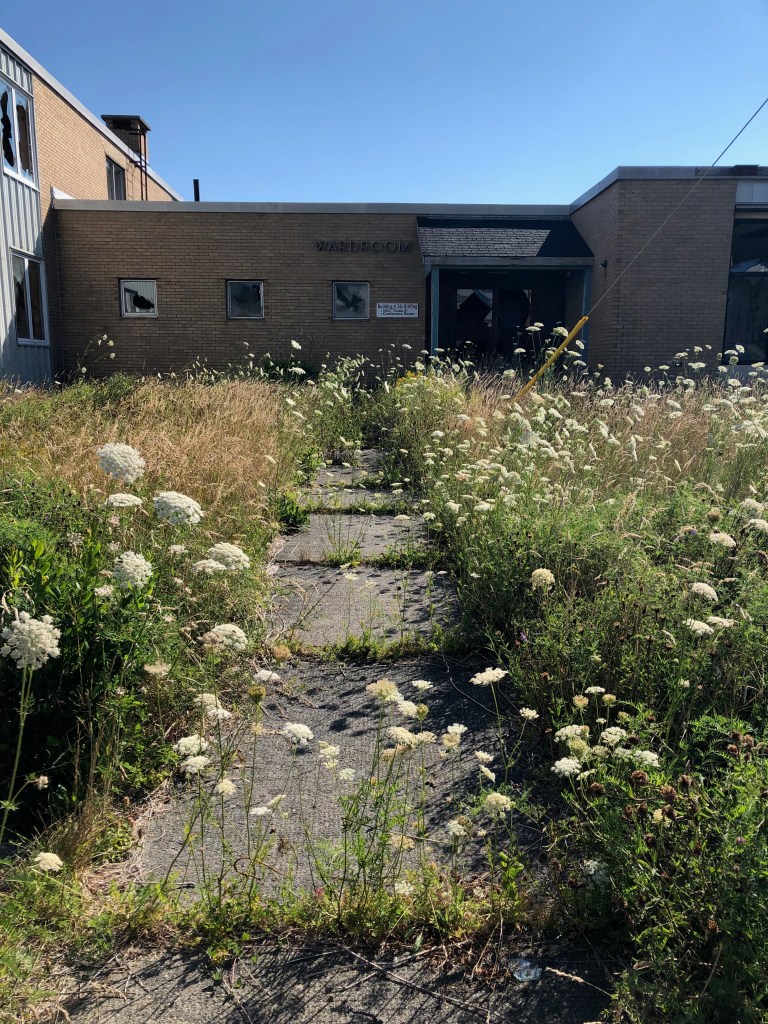
During the Cold War, a network of underwater microphones (“hydrophones”) and listening stations in US, Canada, the Bahamas, Iceland and Wales monitored sound in the Atlantic in order to detect and track Soviet submarines. Today, some of the abandoned listening stations are still standing, though they are rapidly deteriorating. Using photography, field recording, animation and photogrammetry, I am creating virtual models of the listening stations to function as interactive platforms for public engagement with this once-secret undersea surveillance system and what it tells us about the transformation of ocean space and underwater sound during the Cold War.

I am particularly interested in the experiences of those who once worked in these facilities as well as the accounts of those who lived nearby. How did this environment shape the way people experienced the Cold War, ocean sound and ocean space more broadly? What new forms of identity and community were developed within and between the listening “nodes” of the network? How did the construction of these listening stations alter the physical environment and impact local economies, identities and culture? In collaboration with groups with expertise in acoustic ocean sensing and groups with lived experience of the network, the project aims to virtually reconstruct the infrastructure and material meanings of the network, and imagine what new forms of community could be developed around an “audible ocean.” Below are preliminary works which explore the historiographic, narrative and aesthetic possibilities afforded by abandoned sonar infrastructure as well as various media, formats and approaches for the design of physical and virtual models of these Cold War “ruins.”

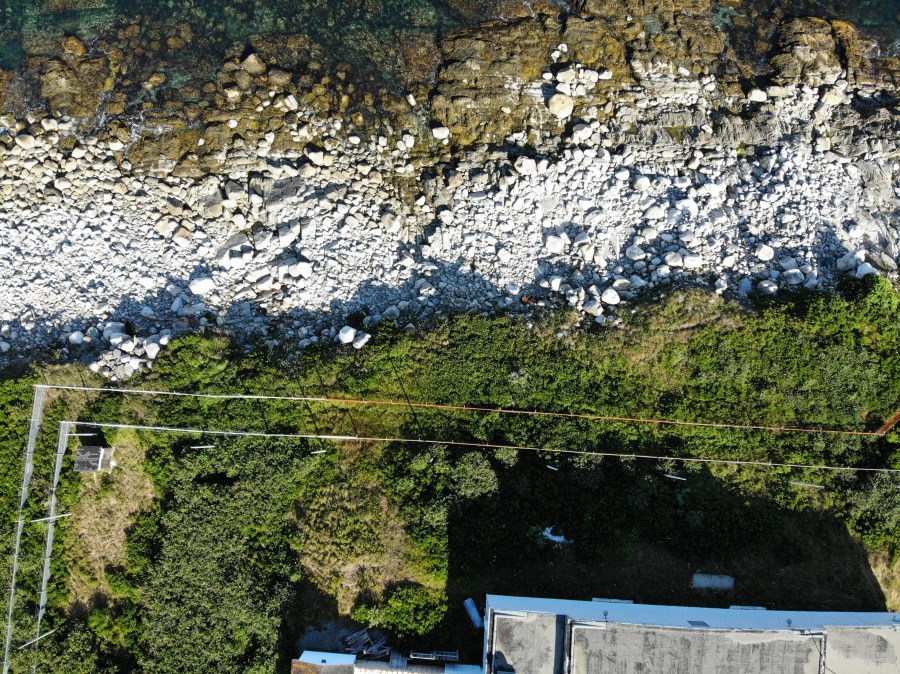
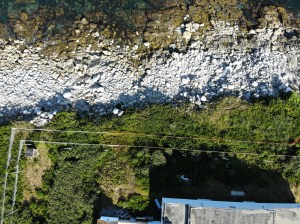
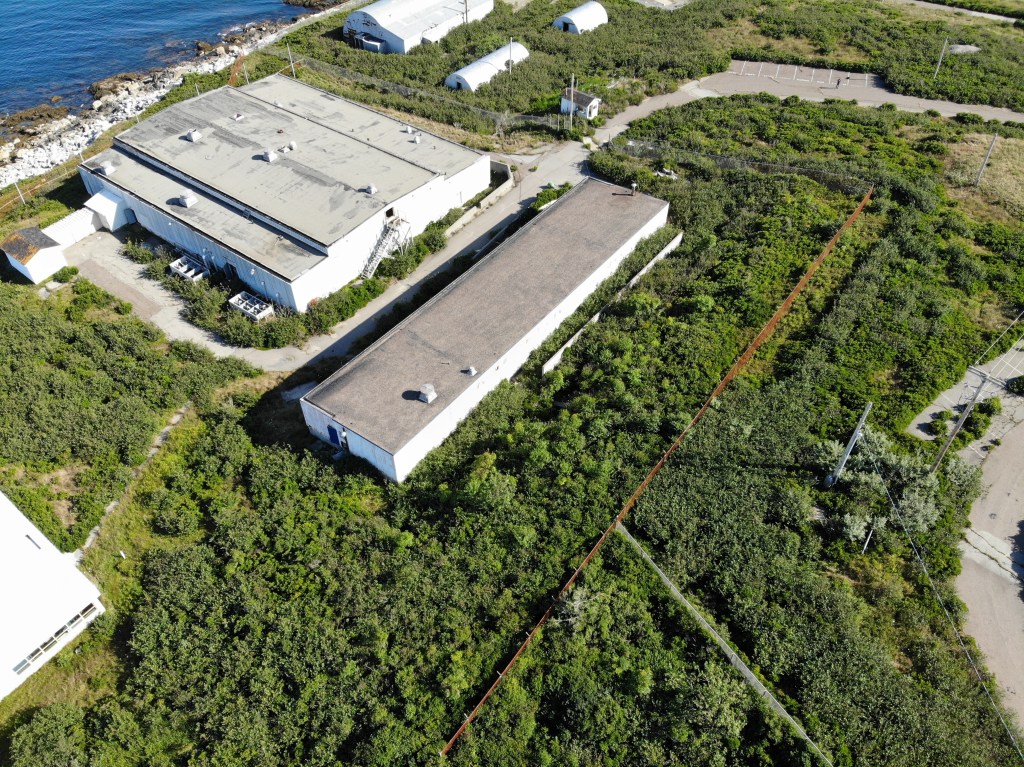
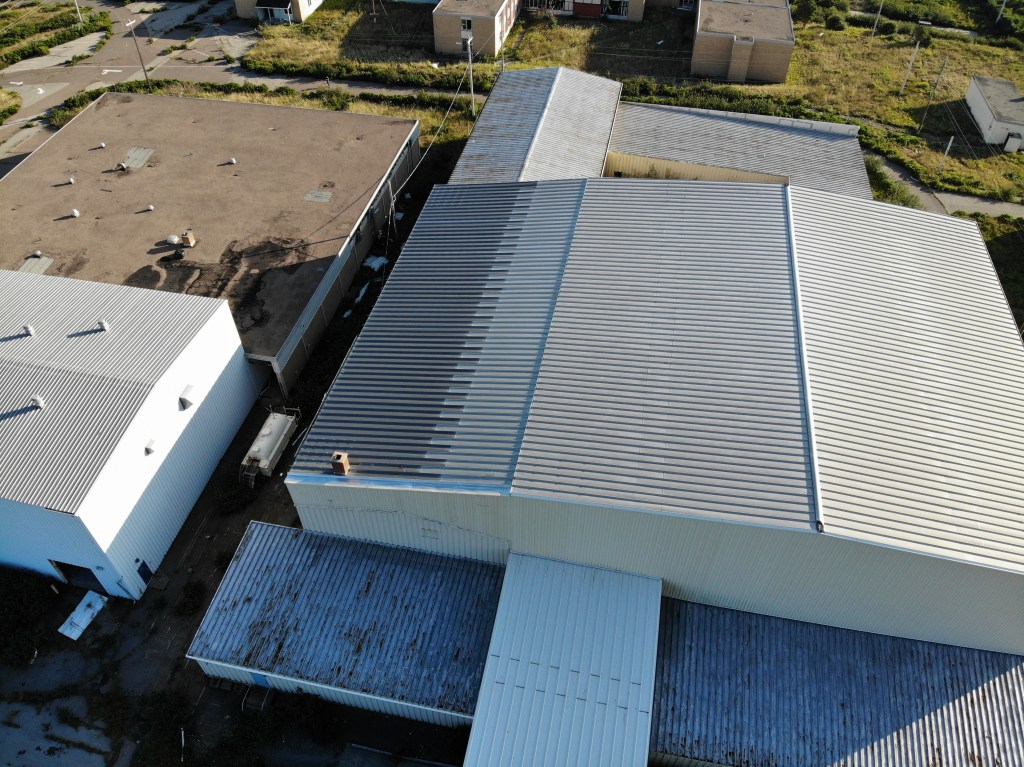
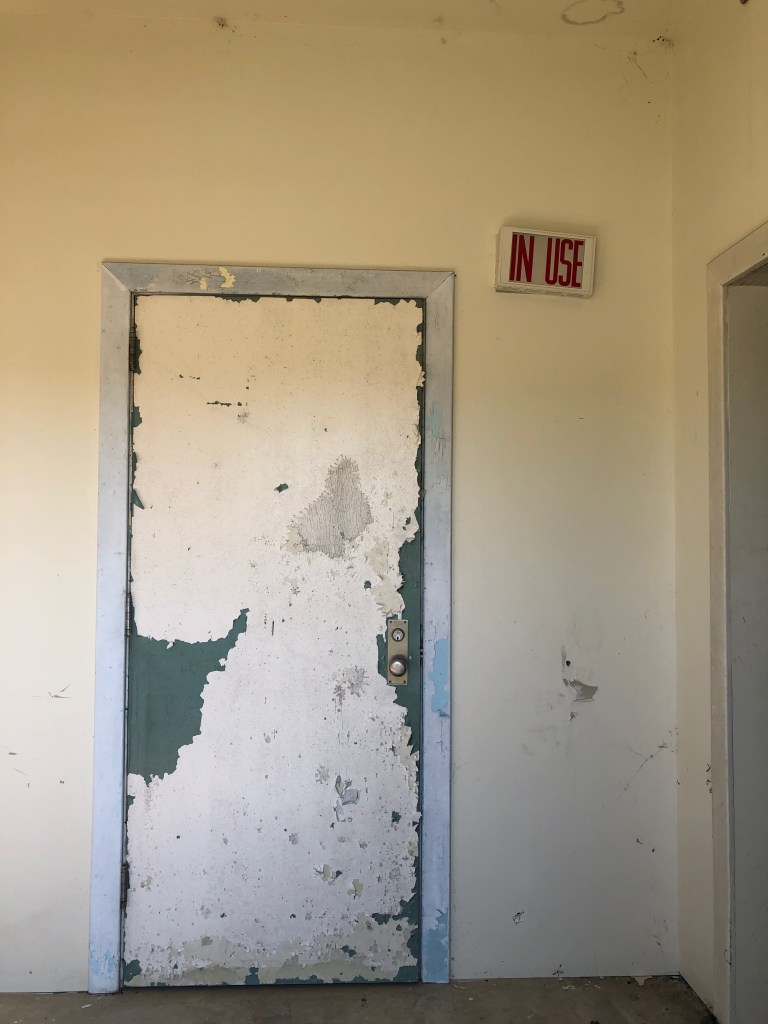
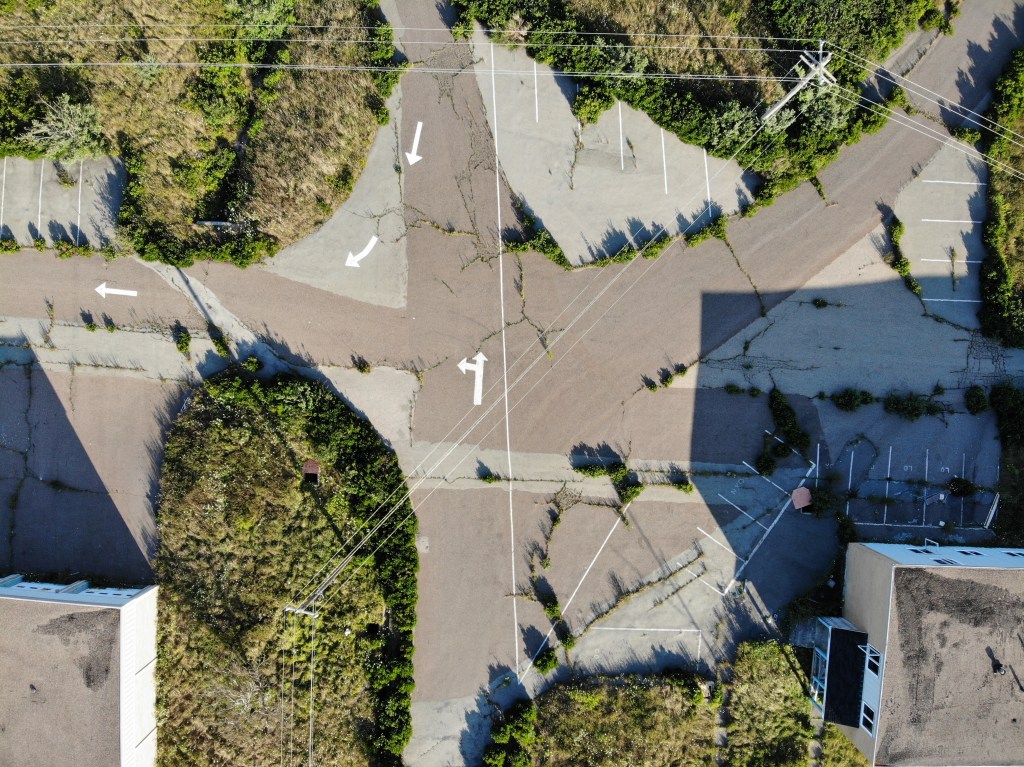
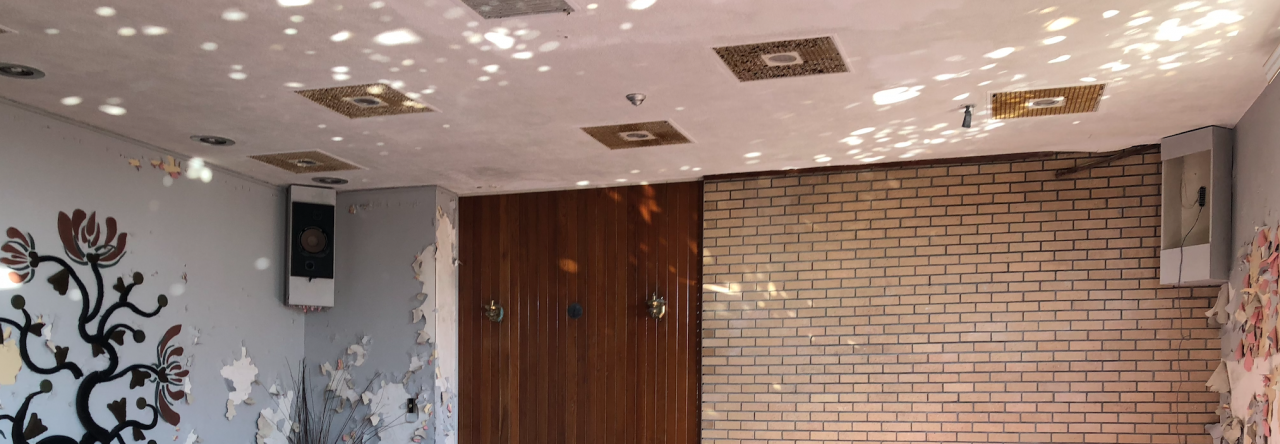
Photographs of the listening station from July 2018 and August 2019. Images: John Shiga.

Using a drone, I captured several hundred aerial images of the site and used photogrammetry to construct a point cloud and a final meshed model of the station. The model is not the final product but rather a springboard for a participatory research-creation initiative in which “layers” are virtually added to the SOSUS model which integrate lived experiences of the social and environmental impacts of SOSUS as well as potential redesigns of the SOSUS stations which are creatively repurposed and restructured in a way that articulates and responds to the contemporary socio-environmental concerns of local communities.

Screen Shot 2019-10-09 at 3.09.51 PM

Preliminary 3D model of SOSUS listening station. Image: John Shiga.

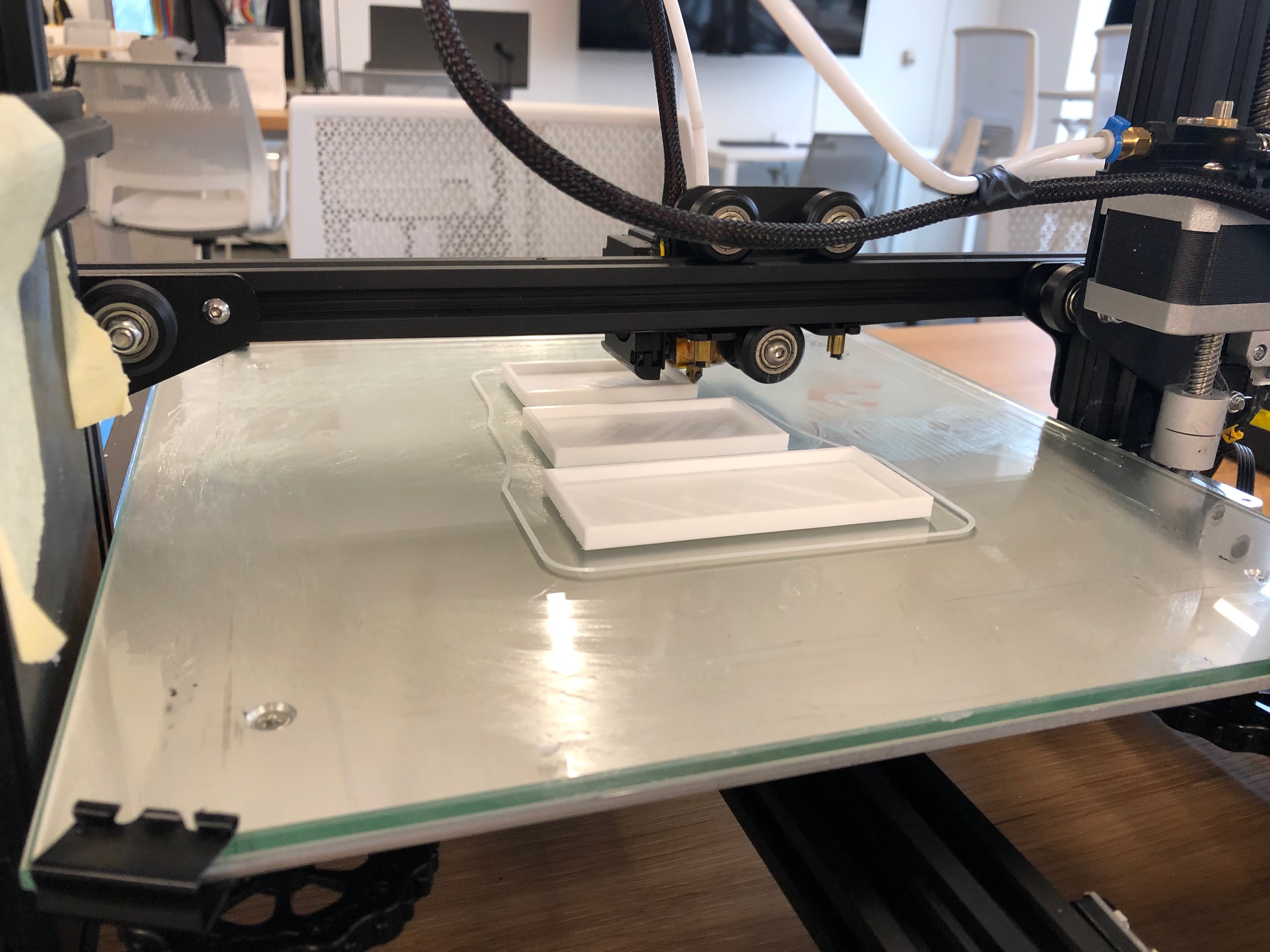
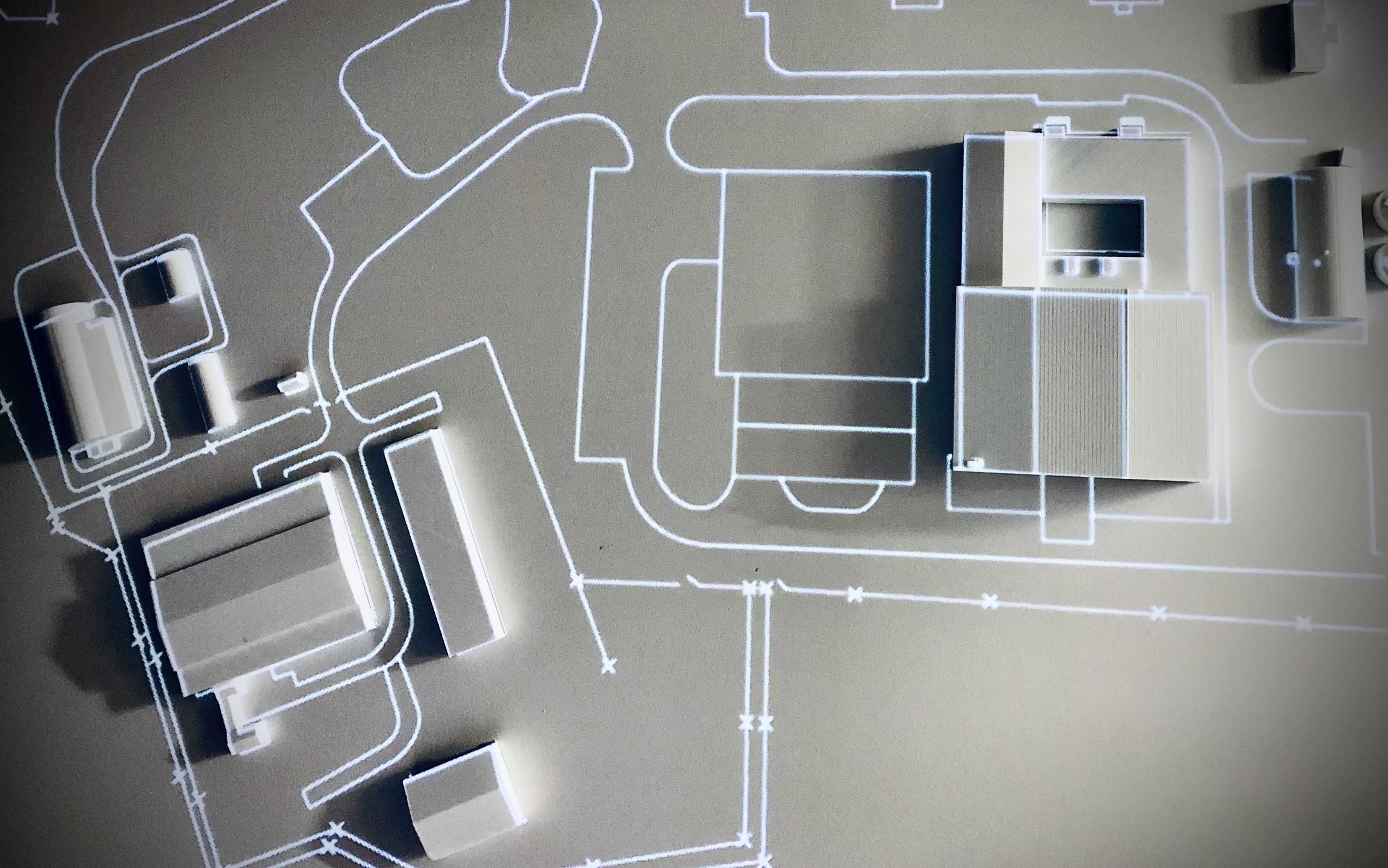
The digital models are being used to create physical models of the stations 3D-printed in white to facilitate projection of animated information directly on the structures themselves either through video projection or through users’ phones/tablets via AR. The projected animations will be designed to engage users on multiple levels, beginning with explanations of basic technology, institutional developers/users and impacts of the sonar network to the development of more critical forms of engagement with the central issues and questions that drive this project regarding the role of sonar in shaping perceptions, representations and uses of the deep ocean. The physical platform is relatively inexpensive and lightweight and takes advantage of the modularity and variability of Augmented Reality (AR) to deliver continuously-updated virtual layers to the user’s phone wherever the platform is installed. Crucially, the platform will also work as a knowledge-creation tool, enabling users to annotate or “tag” the AR layers of the model with sound, image or text which can then be seen/heard by subsequent visitors. The combination of physical display and augmented reality allows aspects of the official archival history of SOSUS, including its many gaps, redactions and silences, to be questioned, complicated and challenged.

3D-printed model of the listening station. A map found during one of my site visits is projected onto the surface of the model. Image: John Shiga.

On one level, the project works as a mode of preserving “acoustic ruins” which are deteriorating rapidly due to scavenging, redevelopment, weather and vandalism. However, the primary objective of the online platform is to translate the research findings about particular points of contact between sonar and ocean noise that will engage both academic and non-academic audiences in “ocean noise” from the Cold War to the present. By merging archival materials with my own photographic, video and audio recordings, the model will allow the user to see and hear how the space changes from the Cold War to the present but the project’s findings around the legacy of Cold War acoustemologies will foreground both the continuities and ruptures in the technologies, cultural practices and modes of perception that shape ocean noise then and now.

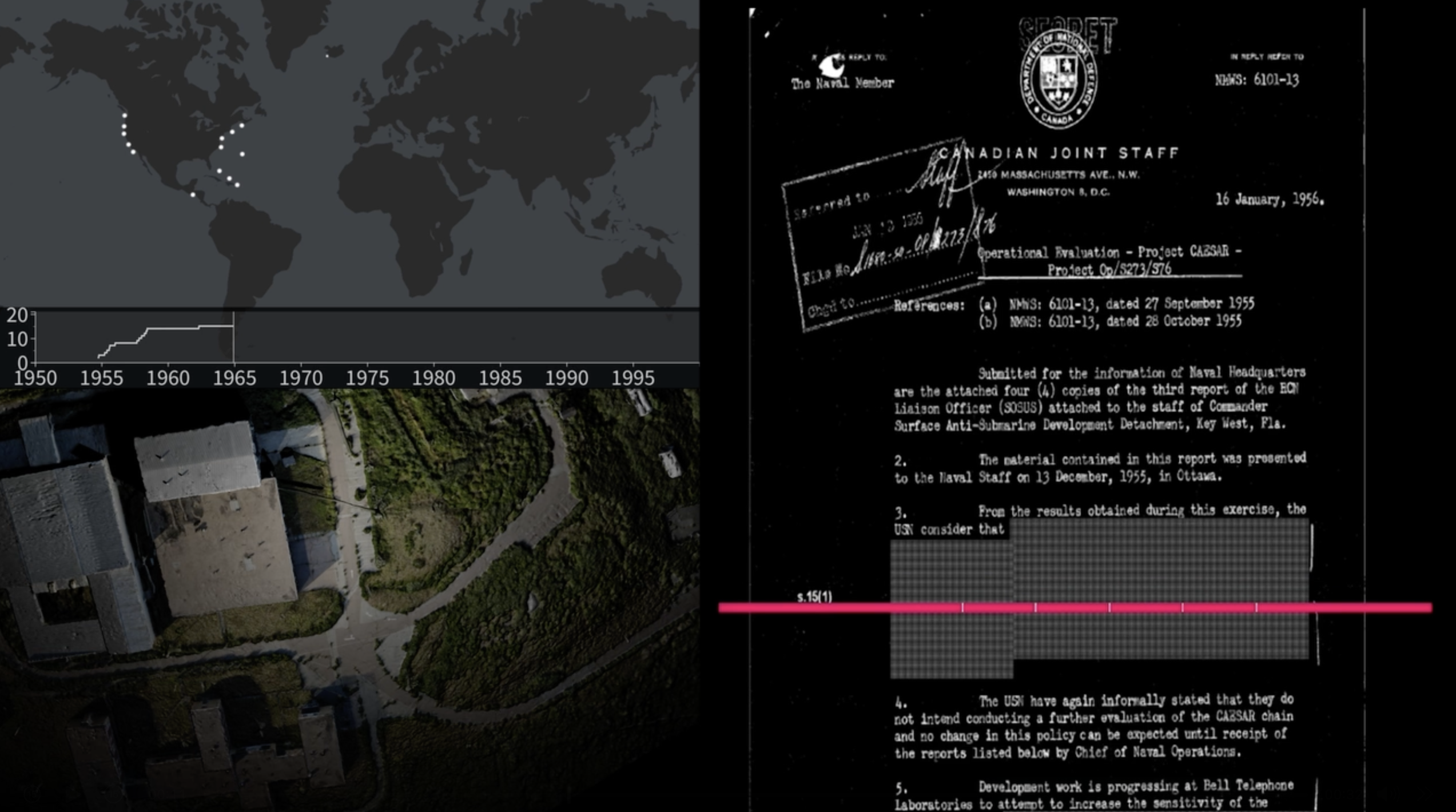
The goal is not only to provide access to the archival documents which this project has so far collected about the construction of sound and noise in SOSUS but also to enable users within and beyond the academy to engage in sonic historiography of SOSUS; this includes listening to the sounds and spaces of Cold War ocean surveillance and reflection upon the manner in which these acoustic elements shaped experience, identity, community and knowledge in relation to ocean space; sonic historiographic practice may also include application and repurposing of acoustic concepts (signal, noise, silence, echo, etc.) for detecting and problematizing patterns in archival materials (e.g., applying the sound/noise framework to understand what various publics can access, observe and interpret through barriers imposed by redactions, restrictions and over 700 abbreviations used in SOSUS documentation).

Still image from an audiovisual exhibit which juxtaposes a timelapse of SOSUS sites as they are activated along North American and European coastlines and in the Pacific, an animated 3D model of a SOSUS facility, and a sonification of censored information in military documents I obtained through an Access to Information request. Image: John Shiga.

As with the physical platform discussed above, which will be displayed in and redesigned by two communities in Atlantic Canada, the virtual platform will facilitate exploration of future uses a SOSUS-like acoustic “observatory”: how might the SOSUS network be reconfigured to constitute new forms of acoustic community, knowledge and experience? This latter component will be particularly useful for collecting stakeholders’ ideas about how to develop a larger-scale installation for engaging with Canada’s role on in enacting the acoustic front or border and its “vertical territory” in the Atlantic during the Cold War. The process of developing this experimental assemblage will be presented in a white paper to cultural heritage organizations and the Directorate of History and Heritage (DHH) outlining the value of material artifacts from the NAVFACs in Canada as sites of cultural memory and as platforms for public engagement with the audible history of military ocean sensing.

Further, the research-creation methodology of this project may be applied to other projects in critical studies of media infrastructure whereby the exploration, documentation and redesign of infrastructures aims not so much to preserve infrastructure “ruins” but to repurpose them as creative “diffraction apparatuses” which allow scholars and stakeholders to confront “sedimentations of past differentiations” – in this case, in the context of acoustic sensing systems – to better understand the material-discursive environment that made the acoustic enclosure of ocean space possible, and to imagine new ways of defining boundaries and shaping differences in ocean sound that might allow more open-ended and less instrumental, enclosed and extractive configurations of human activity and ocean environment to come into being (Schadler, 2019, p. 219).

Schadler, C. (2017). Enactments of a new materialist ethnography: methodological framework and research processes. Qualitative Research, 19(2), 215-230

Quebec Austerity Smells Like Tear Gas

I’m attending the Society for Cinema and Media Studies (SCMS) conference in Montreal at the moment. As I was returning to the conference hotel (Fairmont Queen Elizabeth) around 9:30 pm, hundreds of demonstrators marched peacefully down Blvd. Rene-Levesque in protest of the Quebec government’s austerity plan. Suddenly, riot police ran past me and fired a barrage of tear gas canisters into an intersection crowded with demonstrators. I could have missed something of course but it seemed to me to be a strange response to very peaceful protest, particularly given the recent news of a student protester in Quebec City who was hit in the face by a police tear gas canister.  I asked a man standing close by who told me he lives here what had happened, and he advised me that the police sometimes need to respond when “protesters get too close the buildings.” Seems like a rather high price to pay for walking near buildings. Austerity smells a lot like tear gas tonight in Montreal.

Scrubbing the future with Bill C-51

Public Safety Minister Steven Blaney, centre, promised CSIS would not use new powers to target lawful protest or artistic expression.
One of the key themes in the literature on law and policy in network or information societies is the idea that governments and private institutions are increasingly preoccupied with preventing unwanted behaviour. In addition to the traditional mix of after-the-fact prosecution through sanctions and deterrence of future transgression through the threat of sanction, the contemporary regime of governance, what Jack Balkin calls the “national security state,” adds technologies of prediction and prevention. As anticipated in many science fiction narratives, such as Minority Report, the target of regulation is gradually shifting from past behaviour to future behaviour, from behaviour that has already occurred to behaviour that may occur. While this trend isn’t new, it is becoming more pronounced in many areas of law and policy as digital and genetic techniques and the discourses surrounding them prop up the dream of perfect prediction and prevention.

This week, Public Safety Minister Steven Blaney is asking Canadians to believe him that has looked into (or “scrubbed,” to use the Minority Report term) the future and it is marked by the rise of “radical jihadists.” Bill C-51 is packed full of preventative features, criminalizing the “promotion of terrorism” for example, which has alarmed the Privacy Commissioner and many academics looking into the proposed legislation. The idea here is that there is causal relationship between speaking about hurting or killing people and actual violence. As Blaney puts it, “The Holocaust did not begin in the gas chamber; it began with words.” A crude analogy, even by the often low rhetorical standards of Blaney and company, but Blaney at least makes his point clear: by preventing speech that could be interpreted as promoting harm to Canadians, C-51 will prevent actual harm to Canadians. This is Minority Report-style governance at its finest.

The problem that Blaney faces now is persuading Canadians that the future really is full of radical jihadists – that this threat is so great that it is worth granting tremendous new powers to the security and law enforcement organizations with reduced public oversight of those organizations. Three people died in “terror”-related attacks in Canada in 2014; while this is of course a tragic loss of life, the mobilization of new security measures in anticipation of a rising tide of jihadist terrorism in Canada likely seems ill-advised to many Canadians who know that there are far greater threats right now that aren’t being properly managed the current government. Asbestos, for example. The federal government continues to support the asbestos industry and its products despite 368 asbestos-related deaths in Canada in 2013. Terror-related deaths would need to rise by well over 300 percent in the future to even begin to compete with asbestos as a cause of death in Canada.

JS

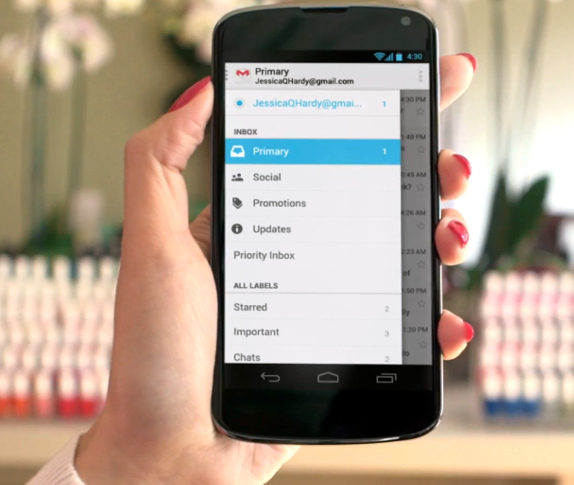
Gmail and the engineering of choice

New-Gmail-Inbox-for-Android

The secret of Google’s success isn’t so secret. As documented by countless news stories, including this documentary on CBC, the recipe for Gmail’s success includes the following:

Ingredient #1: Hot Sauce (the algorithm that ranks websites by links rather than by other measures of popularity).

Ingredient #2: the “clean” and uncluttered look of the Google search website (in comparison to Google’s competition in the 1990s) as well as many of its other services, such as Gmail.

Google CEO Eric Schmidt likes to tell the story of he learned that Google’s slogan — DON’T BE EVIL — can actually play an important role in decision-making within the company. The story goes that one day a number of high-ranking Google employees were discussing certain forms of advertising that could be incorporated into Google’s services. At one point, an engineer pounded his fist on the table and said, “That’s evil!” Schmidt says that this generated a discussion which led the group to decide that they shouldn’t make the change in advertising.

The details about what sort of changes in advertising Google was considering at this point aren’t a part of the official narrative. But it seems to me that, since then, Google has gradually waded into territory that at least one Google engineer considered to be “evil.”

Among those changes are the strange “categories” (or “tabs”) that keep popping up at the top of my Gmail inbox: Promotions and Social.

Today, I tried to removing them from my Gmail app on my Android smartphone. I consider myself to be relatively good at these things but there simply was no straightforward way of removing these “categories” from my inbox. I can go into Settings and unselect them, but there’s no “save” button. So if I unselect these categories and return to my inbox, voilà, the unselected categories are still there.

Fortunately, there are plenty of fixes to this problem, none of which seems straightforward.

My first thought as I began going through the steps to remove Promotions and Social was that Google seems to moving away from Ingredient #2 in its recipe for success.

My second thought was about an article by Ian Kerr et al. about “engineered consent” and its many uses in government and industry to persuade people to get in line with the organization’s interests and objectives.

A few examples:

1. You go to the airport and you are given the “choice” of either a backscatter x-ray (i.e., body scanner) or a pat down (which would take longer and which involves a person touching your body in such a way that likely result in a memorable but awful experience). By not making a spectacle of yourself, holding up the line, and requesting to have  the “traditional” pat down, you are “volunteering” and consenting to have your body virtually stripped of clothing and inspected by someone you can’t see.

2. You call your bank and are notified that your call may be recorded. By waiting to speak to someone, you are “volunteering” and “consenting” to have your call recorded.

In both examples (and one can think of countless others), there really isn’t much of a choice. “Consent” is acquired by making one of the two choices the only realistic option for most people seeking a particular goal (e.g., catching a flight; speaking to a human).

Drawing on the literature on decision-making, Kerr et al. argue that this type of engineering of choice is becoming widespread and is accompanied by a wide variety of justificatory discourses (public health, profit, national security, etc.). It is also based on some provocative research that suggests people are not as rational as they often think they are. The “subjective value” of costs and benefits decreases the further that they occur in the future. Moreover, “losses become less bad the further away they are in time, while gains become much less good.”

In other words, when confronted with the annoyance of Gmail Promotions and Social categories taking up a quarter of my inbox screen, the rational part of me will try to weigh the benefits against the costs of this annoyance. The costs might include things like giving away personal information and other privacy implications, the screen “real estate” that these chunky categories require, and my own desire to have some semblance of control over my inbox (not to be underestimated).

One important benefit is that if I decide to allow these categories to clutter my inbox, I don’t have to spend time figuring out how to get rid of them. That’s an immediate benefit (I don’t have to spend 5 – 10 minutes searching around for a fix), which, if I’m the rational actor that rational choice theory supposes I am, I weigh against the costs of keeping these annoyances at the top of my inbox.

The trouble is that these costs, particularly in regards to the privacy implications, are mostly unknown to me right now and probably won’t affect me immediately. Thus, I find myself weighing the immediate benefit against future costs — costs that I am liable (according to Kerr et al.) to perceive as “less bad” then they really are.

So Google seems adept at engineering my choices. What this means is that Google is neither “good” nor “evil.” Google is utterly ordinary. Like thousands of other organizations around the world, Google is doing whatever it can to make control seem like choice.

JS

A week of conflict in the global struggle over copyright

January 18-26 was a very busy week (well, eight days) for those of us following copyright reforms around the world. In just eight days, there were at least three widely-publicized conflicts between copyright owners, Internet firms and copyright reform activities. Here are three piracy stores that caught the attention of most major news outlets around the world:

wikipedia blacked out page in protest against proposed US laws to stop online piracy

January 18: Large copyright owners were disappointed when a pair of proposed anti-piracy laws in the U.S. became the target of an online “blackout” protest by Google, Wikipedia and other websites. The House of Representatives’ Stop Online Piracy Act (SOPA) and the Senate’s Protect Intellectual Property Act (PIPA) were hailed by copyright owners as effective tools for, among other things, eliminating the threat of “rogue” websites based in foreign countries, which are allegedly responsible for flooding the web with pirated material.  Google and other opponents of the legislation largely succeeded in framing the proposed legislation in terms of censorship, and U.S. politicians were soon clamoring for a chance to show the media and the public how opposed they are to the legislation. The protest was remarkably successful, leading the Senate and Congress to postpone debate and discussion until the bills are amended to address the concerns raised by critics.

Federal prosecutors in Virginia have shut down one of the world's largest file-sharing sites, Megaupload.com, and charged its founder and others with violating piracy laws.

January 23: Copyright owners won a minor victory when New Zealand authorities arrested Kim Dotcom, the founder of cyber-locker MegaUpload. The arrest demonstrates that U.S. copyright owners appear to be able to mobilize police forces far beyond the United States. The arrest also seems designed to “send a message” that cyber-lockers or cloud storage sites are not immune to anti-piracy policing. This is also a test case for New Zealand’s new copyright legislation, which provides stronger protection for copyright by treating infringement as criminal activity. But it is a minor victory in the sense that there are many other similar sites which are still in operation and which will quickly fill the gap left by MegaUpload.

Protesters in Warsaw on 24 January, 2012

January 26: The Anti-Counterfeiting Trade Agreement (ACTA) — a proposed international agreement designed to clamp down on the global circulation of pirated and counterfeited goods — was met with opposition in Poland, where thousands took to the streets in protest. As Michael Geist notes, ACTA’s provisions for digital locks and its criminal sanctions for non-commercial infringement suggest that ACTA extends elements of the notorious U.S. Digital Millennium Copyright Act (DMCA) to the international level.

What does this series of events suggest about the ongoing struggle over copyright reform?

For many years, copyright owners have lobbied governments around the world for national legislation and international agreements which suit the interest of owners, and these efforts were extremely productive in the 1990s. Key 1990s international agreements such as the WTO Trade-Related Aspects of Intellectual Property Rights agreement, the WIPO Copyright Treaty, as well as national legislation such as the DMCA, all catered to the interests of copyright owners in “stronger” protection of intellectual property.

The online and offline protests, as well as the considerable news coverage devoted to them, suggests that copyright owners are finding it difficult to dominate lobbying and public debate about copyright. Scholars, activists and journalists can take some of the credit for raising public awareness of what is actually at stake in this formerly obscure area of law. But the “game-changer” appears to be the rapid expansion of Internet firms like Google, and their ability and willingness to use the many means at their disposal to shift public opinion on copyright reform.

In my view, the delay of SOPA and PIPA is largely the result of Internet firms’ recognition of their shared economic interests in distancing themselves from overly-protective copyright regimes. In this context, copyright owners needed a small fish to fry, and MegaUpload (for which there are many legitimate uses and users) appeared to fit the bill.

John Shiga

Goodbye Big Four, Hello Big Three

Yesterday, Universal Music Group won one of the largest items ever to be auctioned in the music business: EMI’s recorded music assets, including works by the Beatles, the Beach Boys, Cold Play, Pink Floyd, Radiohead, and most of the Motown catalogue. The price tag: $1.9 billion USD.

Meanwhile, a Sony-led consortium purchased EMI’s music publishing division for $2.2 billion USD.

Regulatory approval of the two deals may take another year, and could lead to significant changes in the way that EMI is being split up and sold off.

But Universal is already busy managing public perceptions of its latest acquisition. Mick Jagger was glad that Universal, which he described as “people who really do have music in their blood,” now controls much of the Rolling Stones’ catalogue. And according to Cold Play manager, Dave Holmes, “This can only be positive for the artists and executives at EMI.” These comments suggest that, compared with EMI’s previous owners (Terra Firma, a private equity group, and Citigroup), Universal will provide a more musician-friendly environment.

So far, news reports aren’t giving a very clear picture of possible negative consequences of these deals. The only criticism appearing in the coverage at this point – that the deals are “sad” for British music and culture – seems to miss the broader implications. According to former EMI director, Brian Southall, “It is very sad that the whole of EMI’s recorded music division has gone to Universal. There are no British record companies left to buy EMI.”

Notably absent in the news coverage thus far is any sense of how the deal sets the stage for an unprecedented concentration of ownership in the music industry.

Scholars, music critics, musicians and fans have long decried concentrated ownership in the music business. Until the 1990s, the music industry was largely controlled by the Big Six: BMG, EMI, PolyGram, Sony, Universal and WEA. In the 1990s, Seagram (the Canada-based liquor company) purchased Universal and PolyGram and the Big Six became the Big Five. In 2004, Sony Music merged with BMG to become Sony BMG, leaving control of the music industry in the hands of the Big Four.

This week, we’ve seen another step towards what might be described as a virtual monopoly. EMI’s absorption into Universal and Sony puts much of the global music industry in the control of the Big Three. If approved by regulators, three corporations – Sony, Universal and Warner – will control approximately 80% of the music industry worldwide. (The numbers vary from country to country. In Canada, the combined market share of Universal, Sony, Warner and EMI in 2010 was 80.38%, according to a Nielsen/Billboard report.)

Perhaps in times of recession, consolidations on this scale seem unremarkable. Perhaps extremely concentrated economic power in media and culture has come to seem normal. It will be interesting to see how this story is covered in the next few days, but so far, nothing about this situation appears to be particularly worrying for commentators and reporters.

John Shiga