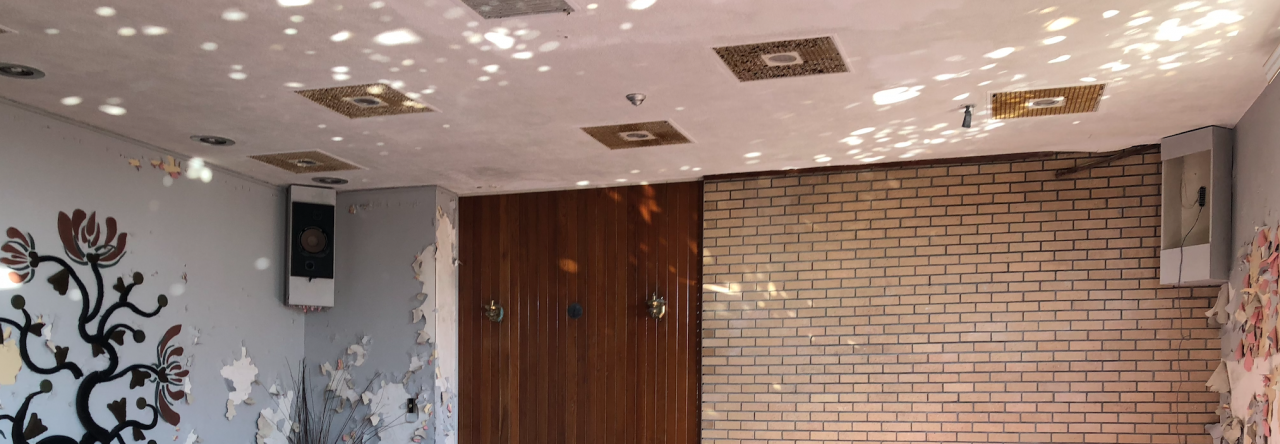
This research-creation project consists of a series of audiovisual compositions, which work together to trace the discursive and material strategies of nuclear imperial power in Canada, the United States and Japan. The guiding question of this work concerns the agency of “radiogenic communities,” which have often been regarded as social effects of nuclear colonialism and tend to be defined as communities affected and altered by radioactive contamination and other forms of nuclear violence. How might our understanding of radiogenic community change if we shift the focus to the agency of these communities to define themselves through their ongoing struggle to represent their experience of and struggles against nuclear violence? How can radiogenic community be redefined so that it isn’t reduced to a condition of being affected by and subject to nuclear domination?
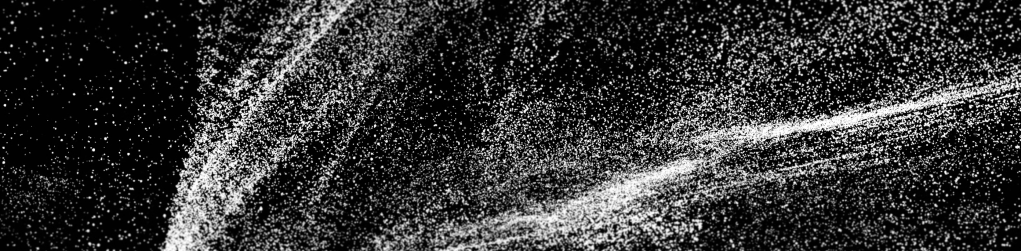

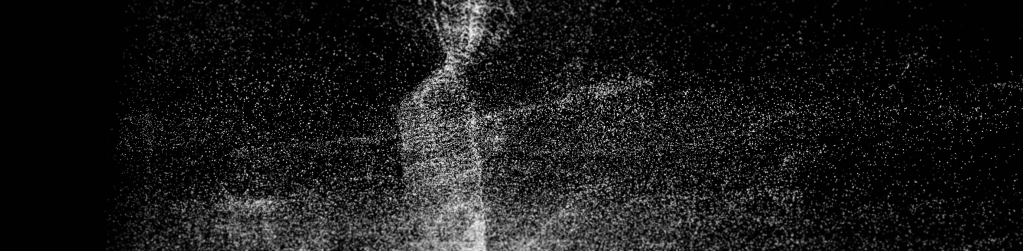
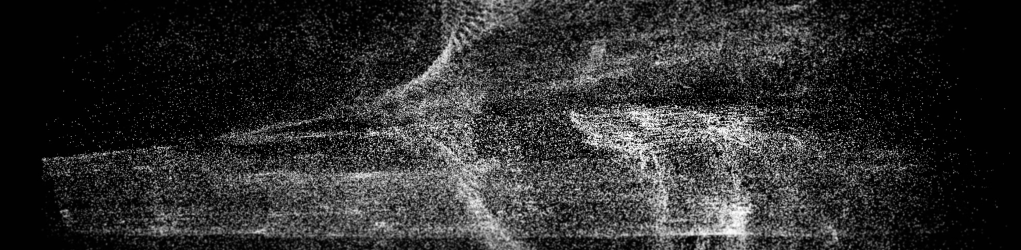
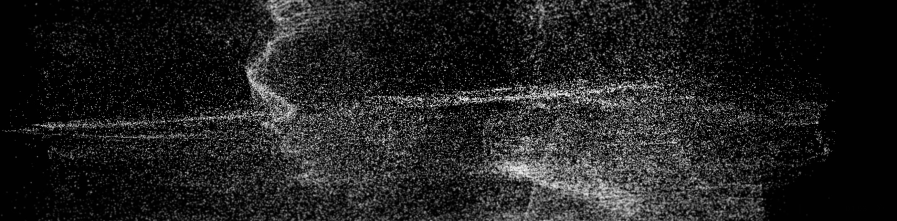
My approach for exploring these questions through audiovisual composition is to re-center representations of nuclear violence around the epistemic agency of those subjected to it. I focus on two radiogenic communities: the Dene people, whose territory encompassed the Eldorado mine—where uranium was extracted for nuclear weapons production during the Second World War—and the hibakusha, survivors of the U.S. nuclear attacks on Japan. The composition combines archival materials related to nuclear imperialism in Canada with visualizations and sonifications of nuclear data collected by radiogenic communities and data visualizations.
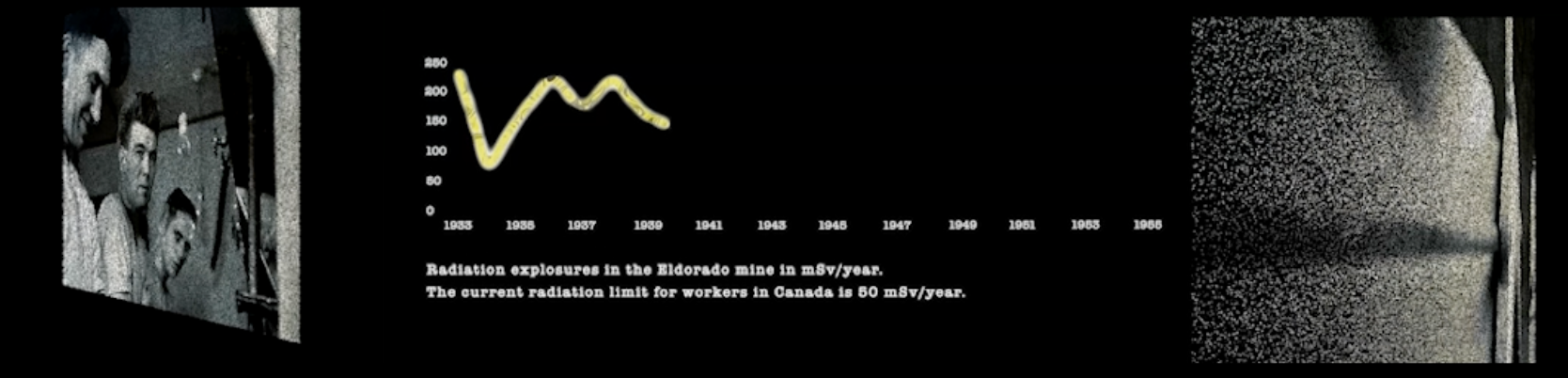
In response to dominant representational practices and their framing of the nuclear weapons’ effects as indices of the new scale of imperial power, the composition amplifies the practices through which the Dene and the hibakusha articulated their relationship to places which were targeted for environmental ruin and socio-cultural dislocation by the racist, colonialist, militarist and capitalist structures of nuclear imperialism.
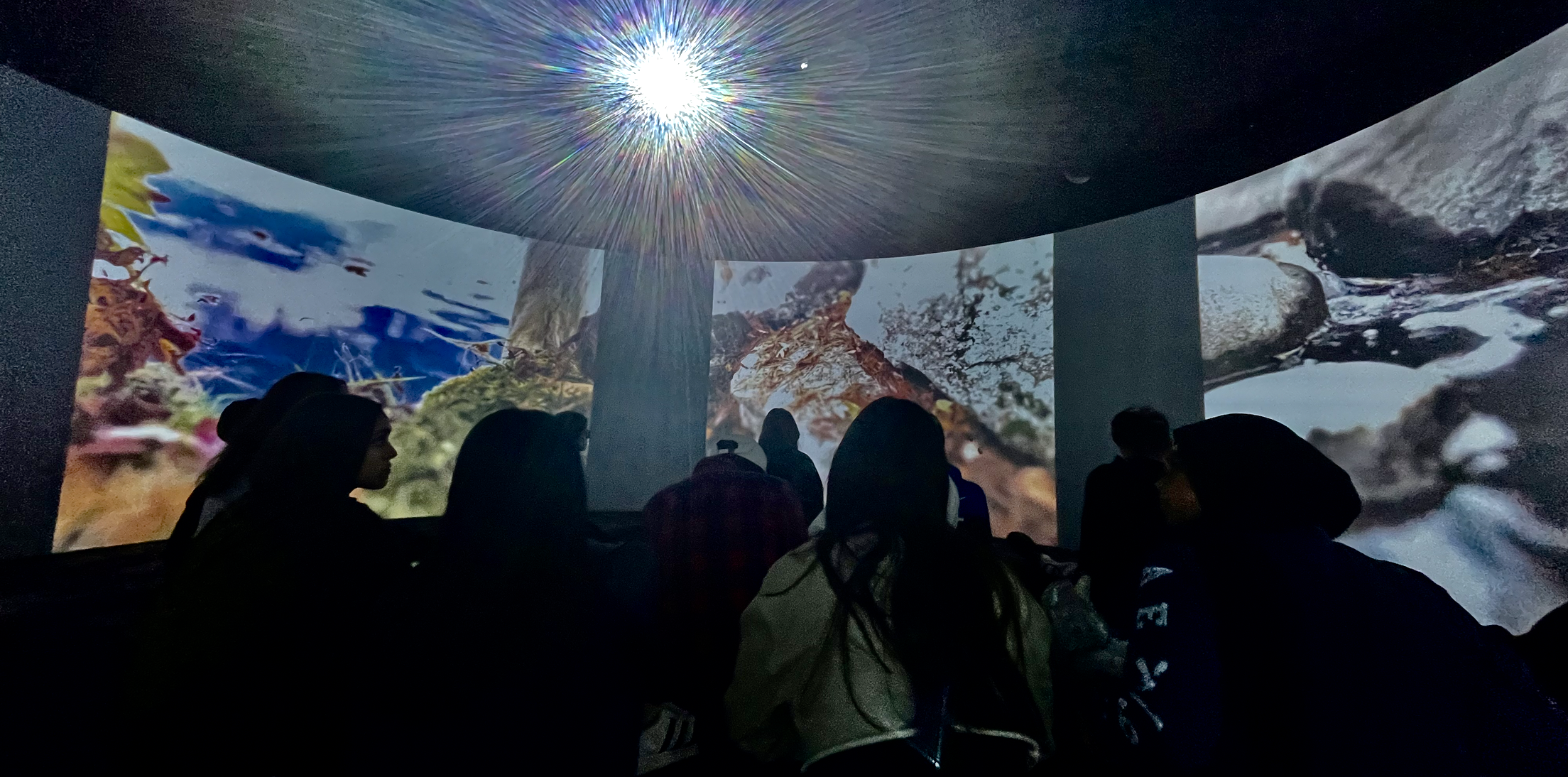
The composition was designed for the 360° screen in the Immersion Studio at Toronto Metropolitan University and was integrated into CMN 210 Text, Image, Sound – an undergraduate course I teach in the School of Professional Communication. The composition invites students and other listeners/viewers to consider “radiogenic community” as more than just a response to nuclear violence or a phenomenon that arises by virtue of a community’s exposure to radiation. Rather, this form of community emerges in the cases of the Dene and the hibakusha through repeated and determined efforts to reaffirm the existence and value of eco-social relations which bind together specific communities and places.
 John Shiga